Tag: windows
293 articles
MALFEX Campaign Unveils imgdecode npm Package with Shellcode Loader
Meet the sneaky imgdecode npm package, which hides a malicious loader in its code, and has already been downloaded 979 times. This package secretly downloads and injects encrypted shellcode into a new process, making it a serious threat to Windows users.

Microsoft Discloses Over 1,400 Security Flaws in Record Patch Update
Microsoft just dropped a record-breaking patch update, fixing over 1,400 security vulnerabilities in Windows and other software - that's roughly ten times its usual monthly output! This massive update surpasses the previous record, and brings the year's total discovered vulnerabilities to over 4,000.

Microsoft Disrupts 1,413 Vulnerabilities, Fixes Exploited Windows Shell Bug
Microsoft just dropped a record-breaking Patch Tuesday update, tackling a whopping 1,413 vulnerabilities - and yes, that includes a critical Windows Shell bug that's already being exploited. This massive release underscores a new normal in cybersecurity: hundreds of fixes are no longer an exception, but the baseline.
Ransomware Hits Unprepared Small Business, Leads to Shutdown
A small construction company's confident dismissal of expert help - "you're too expensive" - turned to desperation when a ransomware attack crippled their operations, forcing a shutdown. Just weeks earlier, they'd rejected a proposal from a cybersecurity consultant that could have prevented the disaster.

Malicious npm Packages Deliver Overlord RAT and Stealer in Supply Chain Attack
A single malicious npm package, "function-flag," was downloaded a staggering 37,419 times in a supply-chain operation that delivered Remote Access Trojans and information stealers to Windows hosts. This was part of a larger campaign, dubbed MALFEX, where 12 packages were published to the npm registry since August 2023, with eight of them flagged as malicious and collectively downloaded over 40,767 times.

Microsoft Warns of ClickFix Browser Cache Smuggling Attacks Bypassing Windows Defenses
Microsoft warns of a sneaky new attack called ClickFix browser cache smuggling, where hackers disguise malicious scripts as harmless image files in your browser cache, allowing them to bypass Windows defenses. This clever trick lets attackers execute their payload without downloading or executing remote files in real time.

Microsoft Halts KB5002907 Update Amid Office License Issues
Microsoft has hit the pause button on the KB5002907 update due to issues with Office licenses, and is currently investigating the problem. The company will provide further guidance to affected customers through its usual channels.

Fake HR Apps Install ScreenConnect for Remote Access
Cybercriminals are using fake HR apps to trick employees into installing ScreenConnect, granting hackers persistent remote access to their machines. This sneaky tactic targets HR and payroll staff, putting sensitive company data at risk.

File Notification Flaws Expose System Data Across Major Operating Systems
Major operating systems, including Linux, Android, Windows, and macOS, are vulnerable to file notification flaws that can expose sensitive system data, thanks to decades-old bugs in their file-notification subsystems. These flaws can leak timing and path information about file activity, putting users at risk.
Malicious Actors Exploit Trusted Placeholder Domain in 1,700+ Repositories
A harmless-sounding domain, once used as a generic placeholder in documentation, has been hijacked by malicious actors to serve a ClickFix lure to over 1,700 public GitHub repositories, putting unsuspecting Windows browsers at risk. The domain, third-party.com, was quietly flipped from a harmless example into an active threat, say researchers at Manifold Security.

Microsoft Fixes File History Backup Bug in Windows Updates
Microsoft's September 2026 security update caused a frustrating problem for some Windows users: File History, a built-in backup feature, stopped working, leaving users unable to create or restore backups. Fortunately, the tech giant has now fixed this bug.

Chinese Hackers Exploit Chrome-Windows Zero-Days to Deploy CLEANGULP Malware
Chinese hackers masqueraded as reputable media organizations and NGOs, using convincing phishing messages and fake sites to deploy the CLEANGULP malware, with one recent campaign targeting Asian government entities over support for a Hong Kong activist. They sent spoofed emails that appeared to be from the Center for American Progress, complete with links to suspicious domains.

NightmareEclipse Exploits Microsoft Defender Update Process
Meet BigDiskBuster, a clever tool created by NightmareEclipse that cleverly blocks Microsoft Defender updates, leaving you stuck with your current version if it's running in the background. This proof-of-concept has been designed to prevent platform and security intelligence updates from installing.
Microsoft Updates Disrupt File History Backup Feature in Windows
Beware: the latest September 2026 Windows security updates may have an unexpected side effect - disrupting the File History backup feature and leaving you unable to create or update your backups. If you rely on File History, you may want to hold off on installing these updates until the issue is resolved.
Malware Campaigns Exploit ClickFix to Deploy RATs via Blockchain Infrastructure
Malicious ads masqueraded as legitimate software, spreading malware like ChainScript RAT through blockchain infrastructure via ClickFix lures, targeting both macOS and Windows users. Security researchers uncovered 108 fake ads from a hijacked Reddit account that seeded multiple malware families over just 48 hours.
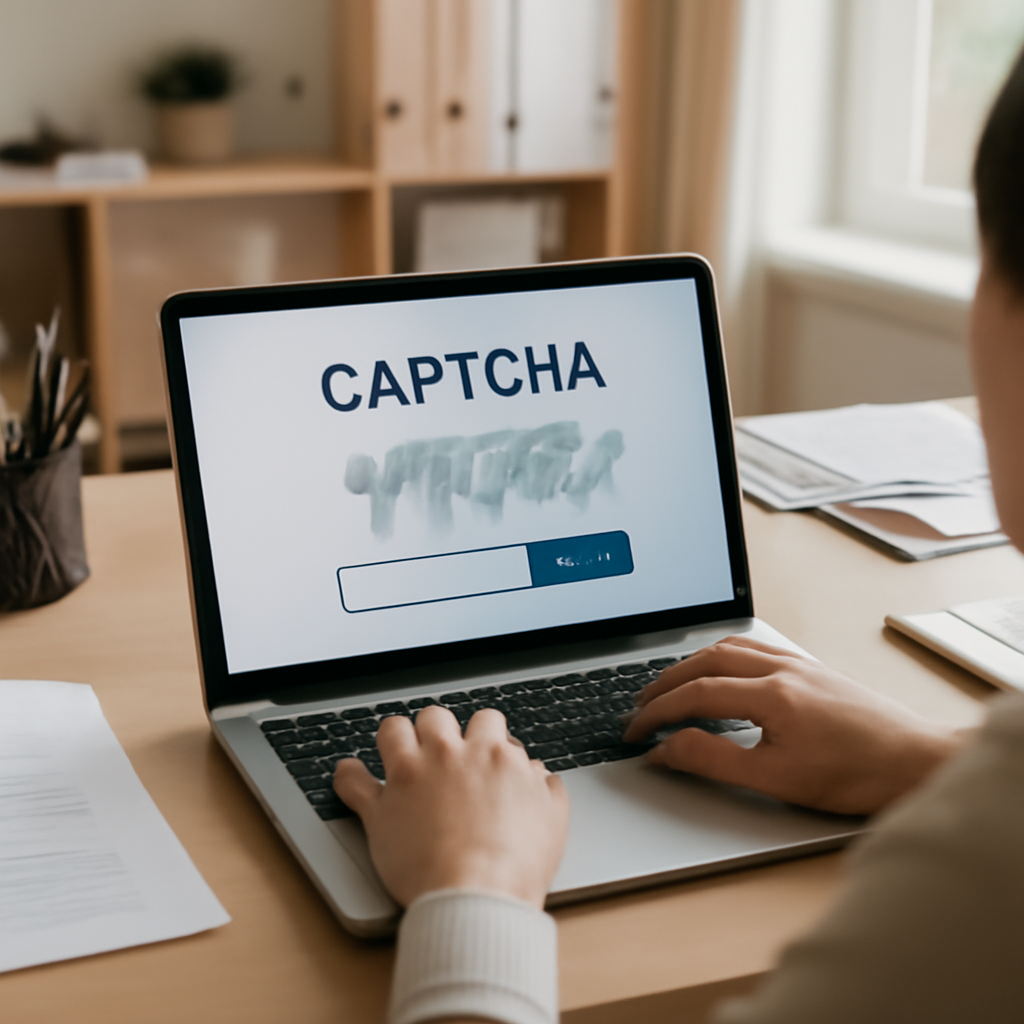
Malware Exploits Fake CAPTCHAs to Harvest User Data
Scammers are tricking users into handing over sensitive info by disguising malware as a familiar CAPTCHA challenge, taking advantage of our trust in these security checks. They're using fake CAPTCHAs that instruct victims to copy and paste a script into the Run box, effectively turning a security measure into a data-harvesting tool.

Microsoft Probes Outlook Copilot Button Glitch
Microsoft has identified the culprit behind the missing Copilot button in Outlook: a pesky MAPI property that goes MIA after a recent software build, leaving users without access to this handy feature. The good news? The Outlook team is on the case, actively investigating and working to resolve the issue.

Iranian Spies Deploy Chosen Brick Malware to Steal Data from Windows Machines
Iranian spies are using a sneaky malware called Chosen Brick to steal data from Windows machines, often targeting dissidents, activists, and journalists who dare to challenge the regime. They start by sending convincing messages on WhatsApp and Telegram, pretending to be from trusted friends or organizations.

BambooToken Malware Exploits MQTT for Global Command-and-Control
Meet BambooToken, a sneaky new malware framework that's been secretly weaponizing the Internet of Things messaging protocol MQTT to control servers worldwide since 2023. Its operators have cleverly leveraged MQTT's lightweight design to pull off global command-and-control attacks on both Windows and Linux servers.

China-Linked Hackers Exploit Chrome-Windows Zero-Day Chain
Meet the sneaky hackers who just pulled off a triple threat: exploiting not one, not two, but three zero-day vulnerabilities to break free from Chrome's sandbox and wreak havoc on Windows hosts. Their latest move? A targeted spear-phish attack on NGOs via a cleverly crafted link.
Hackers exploit Tencent app flaw to deploy GrayRabbit malware
Hackers are actively exploiting a critical flaw in Tencent's Sogou Input Method for Windows, using a clever one-click trick to deploy the GrayRabbit backdoor; researchers warn that this vulnerability, tracked as CVE-2026-51990, is being used to deliver malware to unsuspecting victims.
BlueMoon Exploit Kit Targets Windows, Chrome with Zero-Day Flaws
Meet BlueMoon, a sneaky exploit kit that's been wreaking havoc on Windows and Chrome since August 28, using not one, not two, but three zero-day flaws to do its dirty work. This malicious tool, linked to the JungleBamboo threat actor, combines browser vulnerabilities with a Windows kernel exploit to gain ultimate control.
Microsoft Defender Exposed to New Zero-Day Exploit
A security researcher known as Nightmare Eclipse has just dropped a proof-of-concept exploit for a new Microsoft Defender zero-day vulnerability, dubbed ShieldCrash, which surprisingly still works on Windows systems that have already applied the latest September patches. This marks the researcher's 11th Microsoft zero-day exploit to be made public.

Microsoft Floods Patch Pipeline with 974 Security Fixes
Microsoft just dropped a massive patch bundle, fixing a record-breaking 974 security holes in one fell swoop - more than doubling its previous year's total with three months still to go. This huge update eclipses the company's previous record of 570 vulnerabilities set just two months ago.