Tag: saml
5 articles

Citrix Warns of Immediate Patching Need for NetScaler RCE Flaw
Citrix is sounding the alarm on a critical vulnerability, CVE-2026-107406, that can lead to remote code execution or a denial-of-service state in NetScaler devices - and it's urging admins to patch immediately.

Citrix Unveils Third Exploited NetScaler Zero-Day Vulnerability
Citrix has just revealed a third critical NetScaler zero-day vulnerability, CVE-2026-88779, which can cause a denial of service in SAML-enabled deployments, and security experts warn it's painfully easy to trigger. This high-severity defect is the latest in a string of actively exploited NetScaler vulnerabilities.
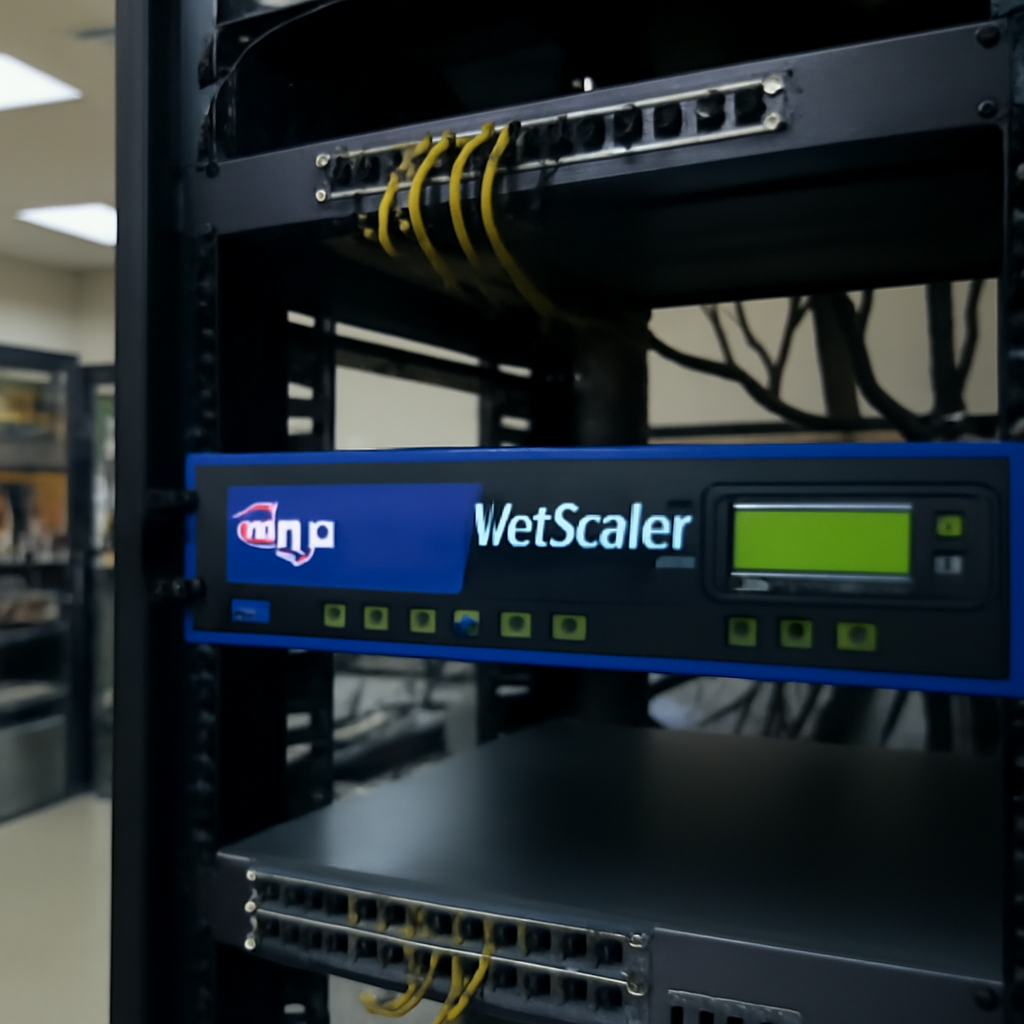
Citrix NetScaler Exploited in Active Attacks Amid New 0-Day Reports
Citrix NetScaler is under active attack, with hackers exploiting a newly discovered vulnerability that can cause denial of service with just a single specially crafted request. The flaw, known as CVE-2026-88779, affects certain NetScaler deployments configured for single sign-on authentication.

Attackers Exploit miniOrange SAML Flaws to Hijack WordPress Admin Access
A critical vulnerability in the Xecurify miniOrange SAML 2.0 Single Sign On plugin for WordPress allows hackers to hijack admin access with just a few clicks, giving them the keys to your site's kingdom. This flaw lets unauthenticated attackers log in as any existing user, including administrators, by exploiting a weakness in signature verification.

Hackers Exploit WordPress Sites in miniOrange Auth Bypass Attacks
Hackers are actively exploiting WordPress sites using a clever combination of two vulnerabilities, CVE-2026-61979 and CVE-2026-15981, to bypass authentication and gain administrator access. This stealthy attack uses the miniOrange SAML 2.0 Single Sign On plugin to forge SAML responses and hijack user sessions.