Tag: personal data
142 articles

Social Security numbers: Stunning Risky Cloud Leak
A whistleblower alleges a Social Security Administration unit copied an SSA database containing Social Security numbers into an unauthorized, unsecured cloud—potentially exposing tens of millions of Americans to identity theft. This raises urgent questions about whether cost‑cutting pushed security and oversight to the breaking point.

Orange Belgium customers: Stunning Risky Breach 850K
A massive breach at Orange Belgium has put about 850,000 customers’ personal details into criminal hands, raising risks like SIM‑swap, targeted phishing and identity theft. If you might be affected, check what was exposed, lock down your carrier account with app‑based 2FA or a unique PIN, and be extra skeptical of unsolicited calls, texts or emails.

customer data likely stolen: Must-Have Critical Alert
Colt warns customer data was likely stolen in a recent cyberattack and is offering a filename list to help clients check exposure. If you rely on its network services, now’s the time for targeted searches, credential rotation, and coordinated incident response.
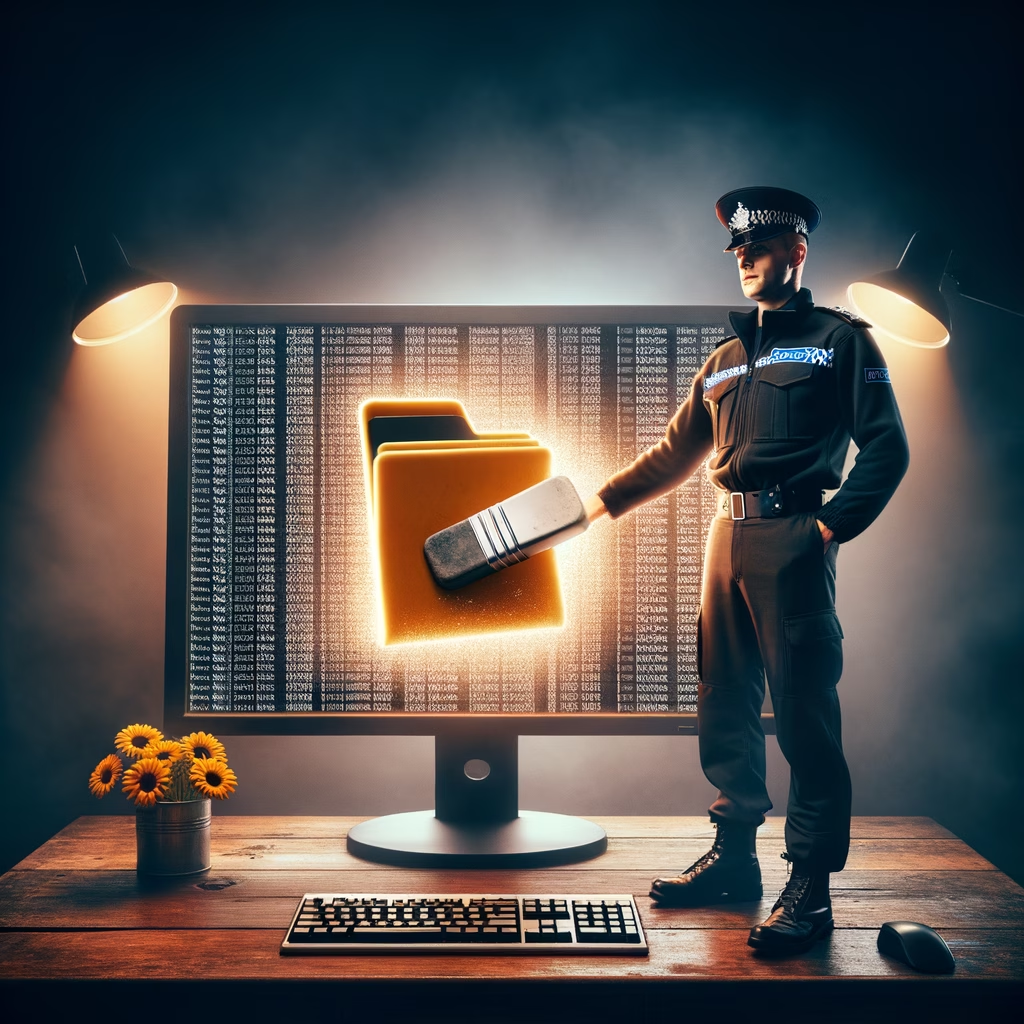
body-worn video Shocking Breach: Must-Have Fixes
When 96,000 body‑cam files disappeared during a system migration, the ICO’s rebuke laid bare how fragile trust in police video can be — and why stronger technical safeguards, clear retention rules and independent oversight aren’t optional but essential to restore confidence.

iiNet data breach: Risky Stunning 280k Exposed
Worried about the data you hand to your ISP? A recent iiNet incident exposed over 280,000 customer records—here’s what happened, who’s at risk, and simple steps you can take to protect yourself.

hotel booking system Risky Breach: Stunning 100k Leak
Imagine strangers knowing where you slept last summer — and maybe even what you paid — because Italy’s digital agency confirmed a massive breach of hotel bookings affecting nearly 100,000 records since June. If you stayed in Italy recently, check your accounts, beware phishing, and know hotels are scrambling to secure systems and notify guests.

manpower data breach: Exclusive Risky Impact Revealed
Manpower has disclosed a breach exposing personal data of nearly 145,000 registrants, putting jobseekers, contractors and clients at heightened risk of identity theft and fraud. If you applied for temp work, monitor your accounts and credit, be wary of recruitment scams, and ask Manpower what specific data was exposed.

RansomHub leak: Devastating Manpower Data Breach
A ransomware leak exposed personal data for 144,189 people tied to Manpower’s Lansing franchise — including names, SSNs, DOBs and employment details — and the company is offering credit monitoring as it scrambles to contain the fallout. This wake-up call shows how staffing firms’ troves of sensitive records make them prime targets, and why tighter vendor security and quick, transparent responses matter now more than ever.
cyber incident: Exclusive Risky Outage Exposes PA Flaws
A cyber incident knocked Pennsylvania’s Attorney General office offline for a second day, leaving residents, victims and partner agencies scrambling for answers as websites, phones and email went dark. With external cybersecurity teams on the case but few details released, the outage raises urgent questions about preparedness, potential data exposure, and how quickly critical services can be restored.

GDPR shoplifters photos Risky Warning — Must-Read
The U.K.’s ICO warns that sharing photos of suspected shoplifters can breach GDPR and unfairly tarnish people before guilt is proven. Retailers need to balance crime prevention with privacy rights and legal risk.

Shoplifters Photos GDPR: Exclusive Risky Warning
Think twice before sharing photos of suspected shoplifters: the ICO warns that public shaming—whether in-store or on social media—can breach GDPR and bring serious legal and reputational risks. As retailers hunt for deterrents, this reminder puts privacy, fairness and safer policing at the heart of the debate.

Security Leaders Analyze Qantas Breach and Implications for Airlines
As Qantas grapples with the fallout from a massive data breach, it’s a stark reminder for airlines everywhere: safeguarding personal information isn’t just a tech issue; it’s essential for rebuilding customer trust. Join industry experts as they unpack the implications of this incident and what it means for the future of aviation cybersecurity.

5.4 Million Affected in Major Healthcare Data Breach
When 5.4 million individuals find their personal health data compromised in a massive cyberattack, the stakes couldnt be higher. This significant breach at Episource serves as a chilling wake-up call for the healthcare sector, highlighting the urgent need for stronger cybersecurity measures to protect what matters most—our identities and well-being.

Salt Typhoon Breaches National Guard Systems: What You Need to Know
The recent breach of National Guard systems by the hacker group Salt Typhoon raises alarming questions about our cybersecurity readiness—how safe are we really in protecting sensitive military information? With threats evolving and intertwining with our daily lives, its time to take this digital arms race seriously.

Identity-based attacks: Urgent Best Defense Guide
Identity-based attacks are surging—infostealers and off-the-shelf phishing kits are harvesting credentials and turning stolen identities into repeatable profit. Act now: use strong, unique passwords, enable phishing-resistant MFA, and stay alert to suspicious messages to keep your digital identity safe.

NIST Privacy Framework: Must-Have for Stronger Security
NIST just overhauled its Privacy Framework to make protecting personal data simpler, more actionable, and better aligned with cybersecurity practices. The update helps organizations of all sizes bake privacy into product design, respond faster to threats, and rebuild trust with users.

Healthcare data breach: Stunning, Risky Wake-Up Call
When a cyberattack at medical-billing firm Episource exposed the records of 5.4 million people, it didn’t just leak data—it shattered trust and exposed deep vulnerabilities in our healthcare system. Learn what went wrong, who’s at risk, and practical steps patients and providers can take to protect sensitive health information.

Mobile forensics tool: Stunning Privacy Risk Revealed
The newly exposed tool Massistant reveals how easily our phones—packed with messages, photos, health data and location history—can be harvested by authorities, forcing a fresh look at the balance between public safety and personal privacy. We need clear laws, transparency, and oversight to make sure powerful forensic tools protect people instead of prying into their lives.

Mobile Phone Forensics: Stunning Risky Game-Changer
Massistant is reshaping mobile phone forensics by extracting deep, often-hidden data from smartphones—offering investigators powerful new leads while stirring urgent privacy and ethical debates. As this technology promises faster justice, it also forces us to choose how much access is acceptable and what safeguards are needed to prevent abuse.

AI Hiring Security: Exclusive Must-Have Fixes to Avoid Risk
The Paradox.ai breach shows how one weak password can destroy trust in AI hiring. Employers and vendors must lock down passwords, enable MFA, audit vendors, and enforce least-privilege access now to protect applicants’ data.
ICEBlock privacy vulnerabilities: Stunning Risky Flaws
ICEBlock markets itself as a privacy-first way to report ICE activity, but experts warn that device metadata, location services, push notifications, and cloud backups can still expose users. Approach the app with caution—ask for clear transparency, independent audits, and minimal permissions before relying on it.
Identity-Based Attacks: Critical Must-Have Defense Tips
Identity-based attacks—up 156%—are using infostealers and lifelike phishing kits to steal logins, but you can push back with simple steps like unique passwords, a reputable password manager, and phishing-resistant MFA. Stay skeptical of unexpected prompts, keep devices patched, and teach your family the warning signs to dramatically reduce your risk.

Louis Vuitton UK Retailer Suffers Major Data Breach Alert
Luxury meets vulnerability: Louis Vuitton UK has revealed a major data breach, putting customer information at risk and shining a spotlight on the growing cybersecurity challenges facing high-end retailers today.

61M Alleged Verizon Records Found for Sale Online
Imagine if your personal info was up for grabs on the dark web—now, 61 million Verizon customers could be facing that reality as alleged records linked to their accounts appear for sale online.