Tag: mfa
52 articles
Google Introduces Selfie-Based Account Recovery
Google just made account recovery a whole lot easier with its new selfie-based feature, allowing you to regain access to your account with a quick snap when other methods aren't an option. Simply record a short video on a device with a camera, and you're good to go!
Google Introduces Selfie Video Sign-in for Locked Accounts
Say goodbye to account lockouts! Google's new selfie video sign-in feature lets you register a short video of yourself and use a fresh recording to regain access to your account if you get locked out.

Zero Trust Bolsters Critical Infrastructure Against Identity Threats
A single compromised account, like the inactive VPN login used to breach Colonial Pipeline in 2021, can have devastating ripple effects - just imagine a national crisis triggered by a simple vulnerability. The Colonial Pipeline ransomware attack is a stark reminder of the catastrophic consequences that can unfold when critical infrastructure is compromised.
23andMe Agrees to $18m Settlement, New Data Security Mandates
After cracking down on 23andMe's lax security measures, a coalition of 42 US attorneys general, led by New York Attorney General Letitia James, has secured an $18 million settlement and binding data-protection commitments to safeguard customer information. This move comes after a 2023 data breach put millions of 23andMe customers at risk of having their personal info exposed.

Agencies Modernize Identity Infrastructure to Counter Emerging Threats
Federal agencies are racing against the clock to modernize their identity infrastructure, securing legacy systems while navigating the rapid evolution of AI and emerging post-quantum threats. As AI continues to advance at breakneck speed, agencies must build adaptable cybersecurity strategies to stay ahead of the threat landscape.

Microsoft Entra ID Shifts to Passkey Authentication Default
Microsoft is shaking things up with its Entra ID service by making passkey authentication the default method starting September 2026, and users currently relying on SMS or voice authentication will be automatically transitioned to passkeys. By February 1, 2027, SMS and voice authentication will be phased out, marking a significant shift towards more secure passkey technology.

Iran-Linked Hackers Deploy Cavern C2 Framework to Target Israeli Organizations
Iran-linked hackers have launched a sophisticated cyber attack campaign, dubbed Cavern Manticore, targeting Israeli organizations, particularly in the IT and government sectors, using a cutting-edge .NET-based framework. This threat cluster is affiliated with Iran's Ministry of Intelligence and Security, and its tactics overlap with other notorious groups like MuddyWater and Lyceum.

Banks Expose Accounts to Thieves by Making MFA Optional
Leaving multi-factor authentication optional has left countless bank accounts vulnerable to theft, with devastating consequences - just ask the 84-year-old victim who lost nearly $30,000 when thieves exploited this security gap. By making MFA optional, banks are inadvertently rolling out the red carpet for thieves.
WebAuthn Integration Breaches Windows RDP Security Gap
Prisma Browser's innovative team successfully integrated WebAuthn redirection into their RDP client, pioneering a secure solution that enables seamless authentication via local devices like YubiKey, Touch ID, or Windows Hello. This game-changing move closed a significant security gap in Windows RDP, paving the way for enhanced remote desktop security.
NCSC Offers Guidance on Thwarting Penetration Testers
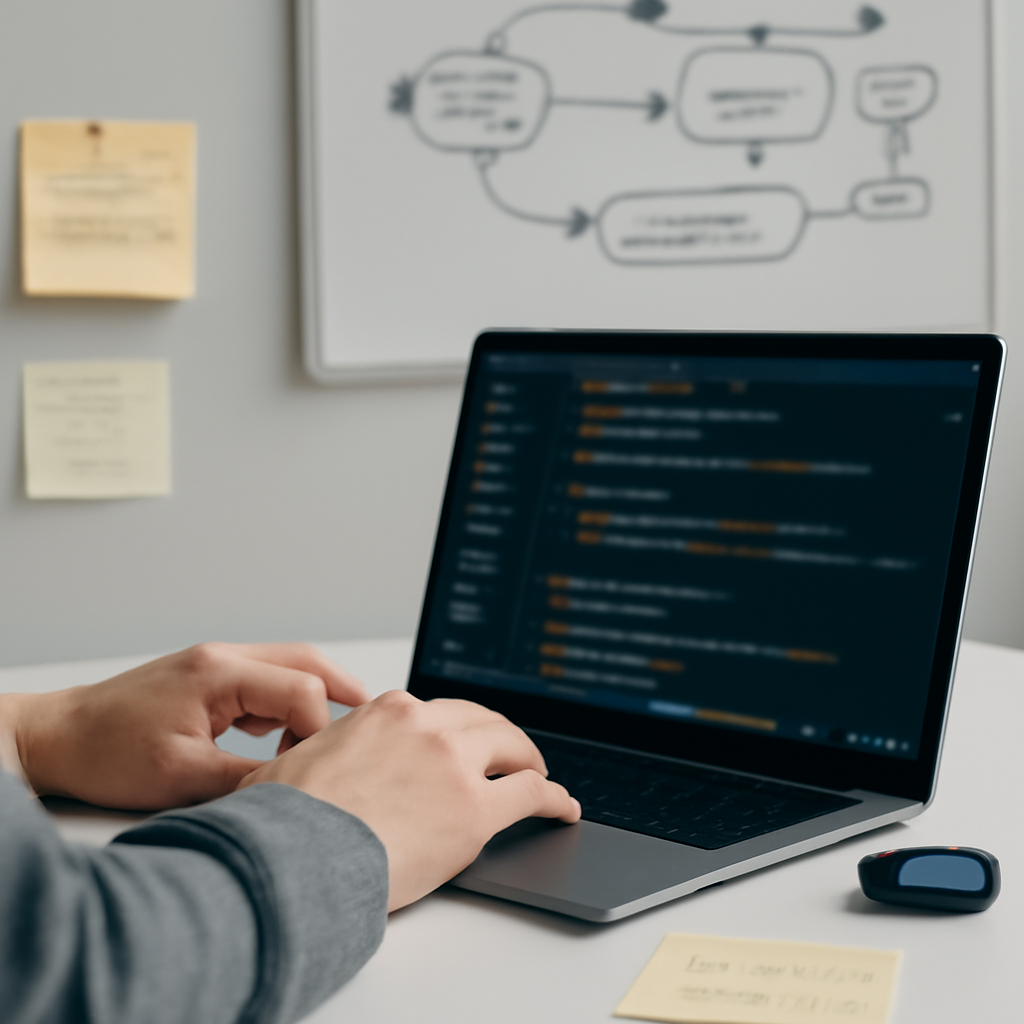
Want to make life harder for hackers? The National Cyber Security Centre teamed up with penetration testers to share practical tips on building secure systems from the ground up.

MFA Rollout Exposes Invoicing Software Flaws
When implementing multi-factor authentication, even a well-planned rollout can hit snags, as seen in a recent case where an invoicing software flaw was exposed. A security expert and his team had agreed on a phased rollout plan with a customer to enable MFA across their Microsoft 365 tenancy.

Cybercriminals Worry AI Tools Will Disrupt Their Illicit Trade
Cybercriminals are getting anxious about the impact of AI tools on their illicit trade, and experts warn that now is the time for organizations to step up their cyber hygiene game with measures like timely patching, multifactor authentication, and passkey use. By prioritizing these defenses, businesses can stay ahead of emerging threats, including AI-assisted attacks.

ScarCruft Targets Microsoft Users with NarwhalRAT Malware
Beware of fake Microsoft account alerts! A sneaky North Korean hacking group, ScarCruft, is sending phishing emails that mimic Microsoft security notifications to trick you into downloading the NarwhalRAT malware.
Credential Theft Spurs Demand for Secure Identity Verification
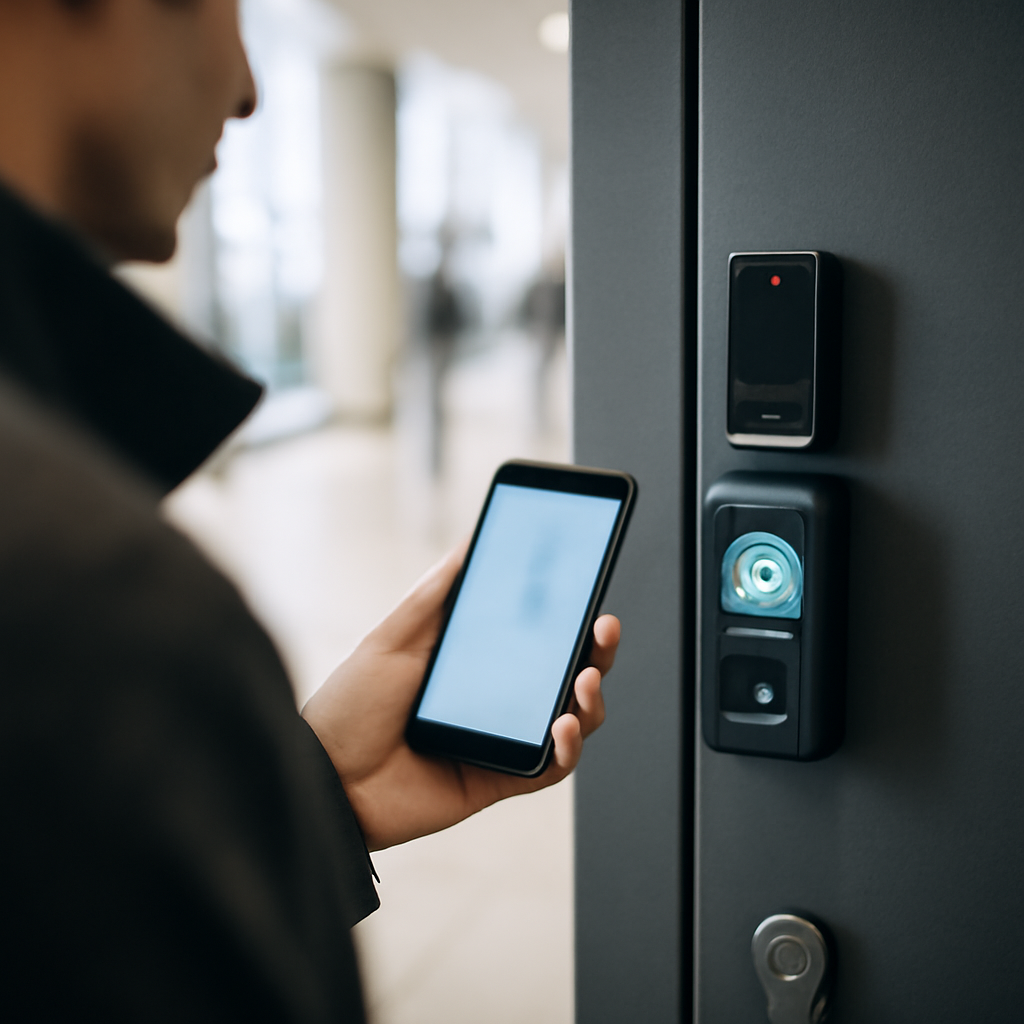
Credential theft skyrocketed 160% in 2025, fueling a critical need for secure identity verification solutions that can outsmart AI-driven attacks. To stay ahead, robust multi-factor authentication is a must-have, combining unique factors like something you know, have, and are to fortify defenses.

AI Agents Expose Security Risks in 93% of Organizations
Most organizations are unwittingly rolling out AI agents with access to sensitive tasks, leaving them vulnerable to security breaches. In fact, only 32% of teams feel very confident they could recover from exposed admin credentials, highlighting a disturbing gap in control and preparedness.

Ukraine's Cybersecurity War: Resilience Trumps Reaction
In the face of uncertainty, cybersecurity experts can develop essential habits through practice, brainstorming, and preparation, turning crisis response into muscle memory. By focusing on preparation, resilience, and self-reliance, organisations and individuals can build the instincts needed to navigate turbulent times.

Dashlane Exposes Brute-Force Attack on User Accounts
Dashlane recently alerted a small group of users, fewer than 20, that an external threat actor had launched a brute-force attack on their accounts, attempting to bypass two-factor authentication and gain unauthorized access. The company quickly sprang into action, notifying affected users and taking steps to protect their accounts.

Microsoft Resolves MFA, MySignIn Outage After Infrastructure Failover
Microsoft quickly sprang into action to resolve a widespread outage that left some users unable to set up multi-factor authentication or access their accounts on My Sign-Ins. The issue, marked by 504 Gateway Timeout errors, was confirmed around 5:00 AM ET and swiftly addressed with an infrastructure failover.

Microsoft Outage Disrupts Multi-Factor Authentication Setup, My Sign-Ins Platform
Microsoft is currently investigating an outage that's preventing users from setting up multi-factor authentication and accessing the My Sign-Ins platform, with the issue confirmed around 5 AM ET. The company is actively working to resolve the disruption, urging affected customers to monitor its Microsoft 365 Status account for updates.

MFA Prompt Bombing Exposes Weakness in Two-Factor Security
A shocking 2.8GB of data was stolen from Cisco after a clever attacker tricked an employee into approving a push-based MFA prompt, highlighting a disturbing vulnerability in two-factor security. This brazen hack, linked to the Yanluowang ransomware group, shows how attackers can exploit the very security measures meant to protect us.

AI Agents Expose Organizations to Identity Security Risks
Most organizations are unwittingly rolling out AI agents that can open the door to identity security breaches, with 93% using or planning to use them for sensitive tasks like password resets and VPN access. Despite this, many admit that these agents create new vulnerabilities.

AI-Developed Zero-Day Exploit Exposes New Threats
Google's discovery of the first AI-generated zero-day exploit is a game-changer, revealing a new level of threat sophistication. This historic finding shows that AI can now be used not just to identify vulnerabilities, but to create and deploy malicious code.

Incident Response Readiness Exposes Operational Gaps
Being incident response ready means more than just having a plan - it requires immediate visibility into identity and authentication access, including investigator-level read access to crucial systems. Without this visibility, teams are left making blind containment decisions and piecing together timelines with guesswork.

Ransomware Defenses Hold, But New AI Threats Emerge
While ransomware defenses have shown significant improvement, experts warn that complacency is a luxury we can't afford, especially with hospital systems remaining prime targets. New AI threats are emerging, demanding our attention and action.