Tag: malware
716 articles

NET malware Dangerous: Exclusive Phantom Taurus Threat
A Beijing-linked group dubbed Phantom Taurus is quietly using custom .NET malware to hunt credentials and siphon sensitive files from government web servers across Asia, Africa and the Middle East — a sharp reminder that everyday frameworks can hide serious threats. Defenders should harden .NET apps, tighten logging and MFA, and share indicators fast to turn the tables before secrets slip away.

Android remote access trojan: Exclusive Risky Threat
“If you can see nothing, they can take everything” — Klopatra is a stealthy new Android remote-access trojan that quietly hijacks phones to steal banking credentials, intercept one-time codes, and automate fraudulent transactions. Stay vigilant: only install apps from trusted stores, scrutinize accessibility and overlay permissions, and push behavioral mobile security and out-of-band authentication to blunt these targeted, modular attacks.

social engineering: Risky Tricks Exposed
A clear, reader-friendly breakdown of a convincing phone scam that shows how faux authority, fake case numbers and offers of a “supervisor” trick people — plus the timeline, red flags, and simple steps you can use to avoid being fooled. Learn what habits and tech fixes really stop these attacks before they cost you time or money.

Asahi cyberattack: Stunning Risky Supply Crisis
When a cyberattack forced Asahi to halt orders and shipments across Japan, it turned a brewing hiccup into a nationwide supply-risk test — empty shelves, strained retailers and shaken confidence followed. It’s a wake-up call for companies and regulators to boost cyber hygiene, contingency plans and transparent communication before the next disruption hits.

variant of PlugX: Exclusive Dangerous Telecom Threat
A decade-old espionage tool, PlugX, has been revamped and is now creeping into telecom and manufacturing networks across ASEAN, blending proven code with new evasion tricks to steal data and stay hidden. Operators, policymakers and smaller suppliers need to tighten defenses, share intelligence and hunt for anomalous DLL side-loading before these stealthy intrusions become lasting footholds.

SVG files: Exclusive Risky Threat Exposed
Researchers uncovered a clever phishing campaign weaponizing innocent-looking SVG images to deliver a chain of malware — including PureRAT — that’s been targeting ministries, aid groups, and civilians in Ukraine and Vietnam. Stay wary of unexpected attachments and verify senders before you click, because even an image can be the gateway to credential theft and hidden cryptomining.

XCSSET malware: Stunning, Dangerous Supply-Chain Threat
Microsoft warns that XCSSET — a persistent macOS malware — has evolved to hide inside Xcode project files, so compromised developer builds can silently steal crypto, disable defenses, and spread to users. Developers and teams should lock down build environments, tighten project integrity checks, and treat supply‑chain security as mission‑critical to keep apps and users safe.

BAITSWITCH and SIMPLEFIX: Exclusive Dangerous APT Alert
A new wave of Russia-linked intrusions tied to COLDRIVER is using tiny but sneaky loaders—BAITSWITCH and SIMPLEFIX—to stay under the radar and make detection harder. Defenders and policymakers alike must lean on smarter telemetry, rapid sharing, and solid cyber hygiene to stop these modular campaigns before they spread.

clipboard hijacking: Risky XCSSET Variant Stuns
Heads-up: a new macOS XCSSET variant now targets Firefox with a clipboard-clipper and stronger persistence—copied crypto addresses can be silently swapped and infections are harder to remove, so users and IT teams should verify addresses off‑clipboard and strengthen detections now.
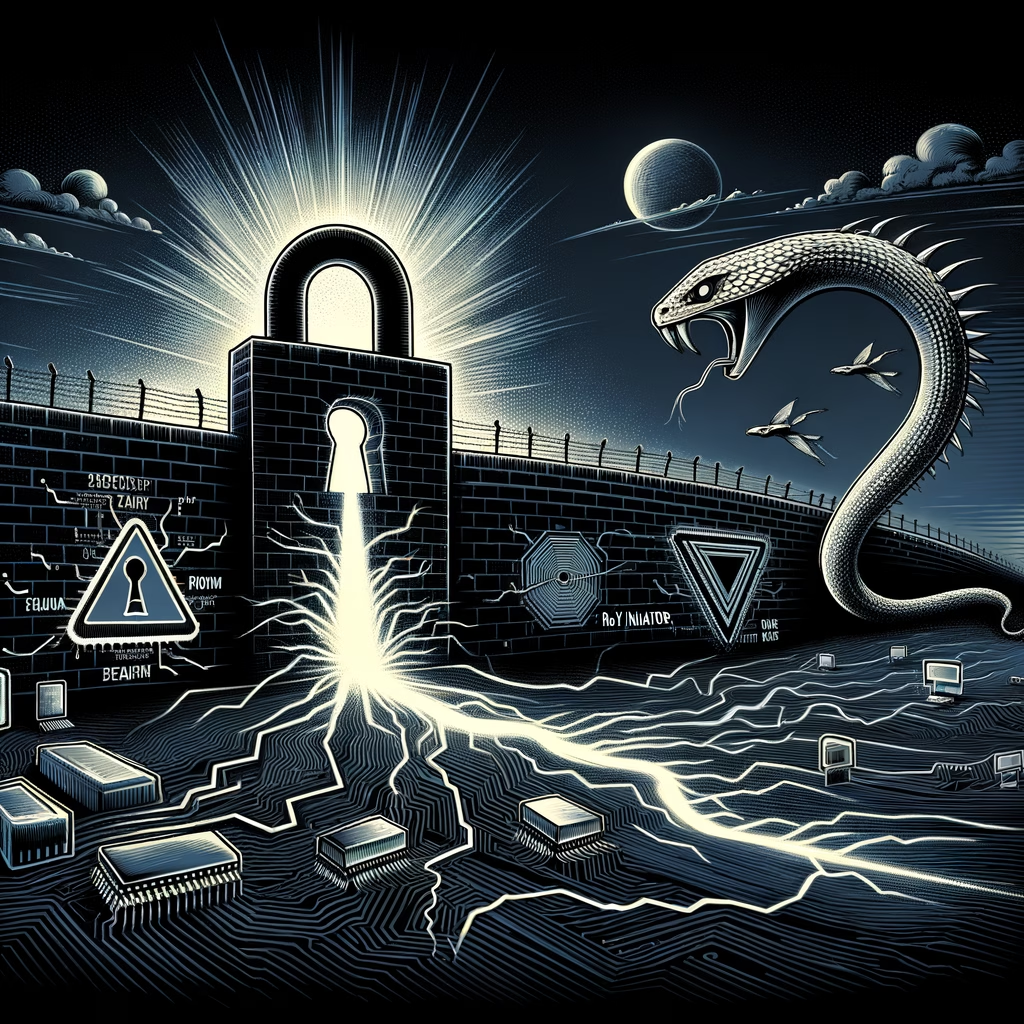
ASA zero-day: Must-Have Patch Against Risky Exploits
Urgent: attackers are exploiting newly disclosed Cisco ASA zero‑days to deploy sophisticated, previously unseen malware families (RayInitiator and LINE VIPER), so inventory your ASA devices and apply Cisco’s patches or mitigations now to stop persistent access and lateral spread. Act fast—delays leave VPNs and perimeter defenses wide open to credential theft and follow‑on intrusions.

Lazarus Group Exclusive Threat: Risky Malware Surge
Imagine calling tech support and accidentally inviting a nation‑state backdoor into your PC — researchers say North Korea‑linked Lazarus tools are now showing up in everyday tech‑support scams, handing criminals far more powerful, persistent malware. That makes it more important than ever for people and organizations to rethink who they trust and how they secure devices.

malicious AI agent: Stunning Dangerous Email-Theft Threat
Researchers say a seemingly legit npm package linked projects to a remote AI agent server that crawled and siphoned email content — possibly the first malicious “MCP” seen in the wild. It’s a wake‑up call to vet dependencies, tighten supply chains, and monitor CI/network egress before agentic AI becomes a standard attack tool.

Vietnam-linked phishing campaign: Dangerous, Stunning Shift
A Vietnam-linked phishing campaign has quietly upgraded from a Python infostealer to PureRAT, turning quick credential grabs into hands-on, persistent intrusions that can enable live data theft and lateral movement. Defenders should shift from signature hunting to behavior-based EDR, network telemetry, and stronger email and access controls to stop these more dangerous, interactive attacks.

BRICKSTORM backdoor: Stunning Dangerous Threat Exposed
BRICKSTORM is a stealthy backdoor tied to a Chinese‑aligned group that quietly harvests telemetry to help build and refine zero‑day exploits—what looks like a low‑impact intrusion today could be tomorrow’s weapon. Security teams should hunt, patch, and harden now before collected data is turned into lasting capability.
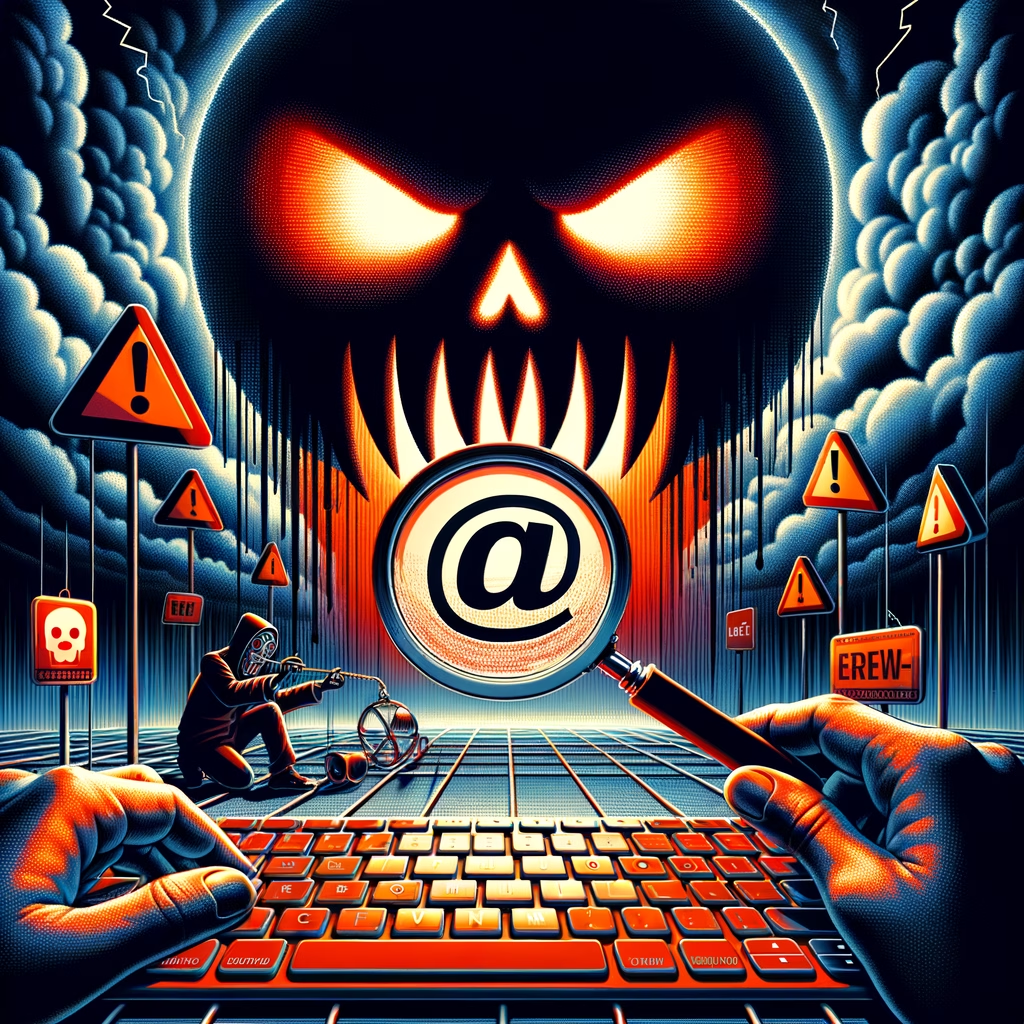
malicious-looking URLs: Stunning Risky Tool Sparks Alarm
A new online tool can turn any ordinary link into a convincingly “malicious”-looking URL, blurring the line between prank and peril and making it harder to tell real threats from harmless links. That dual-use risk means we need better detection, clearer browser cues, and smarter user education before trust on the web starts to erode.

DDoS-as-a-Service: Risky ShadowV2 Exclusive Threat
Meet ShadowV2: a new campaign turning trusted developer platforms like GitHub Codespaces into a pay-as-you-go DDoS factory that lets attackers spin up ephemeral, high-bandwidth instances and sell DDoS-as-a-Service. The result is cheaper, harder-to-detect attacks and a wake-up call for platforms, security teams, and policymakers to rethink defenses before convenience becomes a weapon.
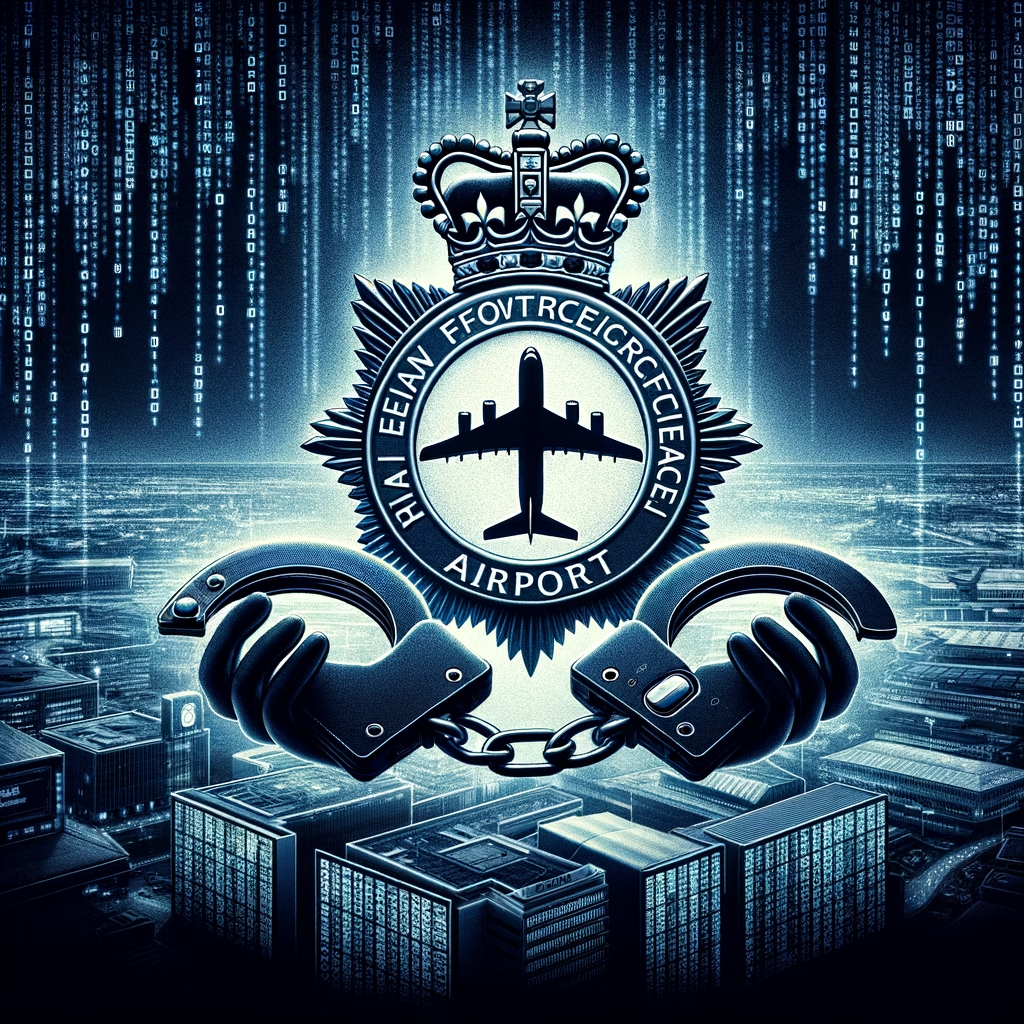
ransomware attack: Stunning NCA Arrest Offers Hope
A multinational ransomware attack left airports scrambled and travellers stranded — now Britain’s National Crime Agency has arrested a suspect, a move that could unlock crucial evidence and help prevent future disruptions.

SonicWall firmware patch: Urgent Fix, Must-Apply
If you manage SonicWall SMA 100 appliances, apply the urgent firmware update now — it removes a boot-level rootkit and you should follow SonicWall’s remediation checklist, validate device integrity, and rotate any exposed credentials.

RevengeHotels malware: Stunning, Dangerous AI Comeback
Kaspersky warns that RevengeHotels has resurfaced, now using AI to churn out highly convincing fake booking pages and tailored phishing messages that quietly steal card details. Travelers and hotels should double-check booking links, vet payment workflows, and monitor transactions closely to avoid getting burned.
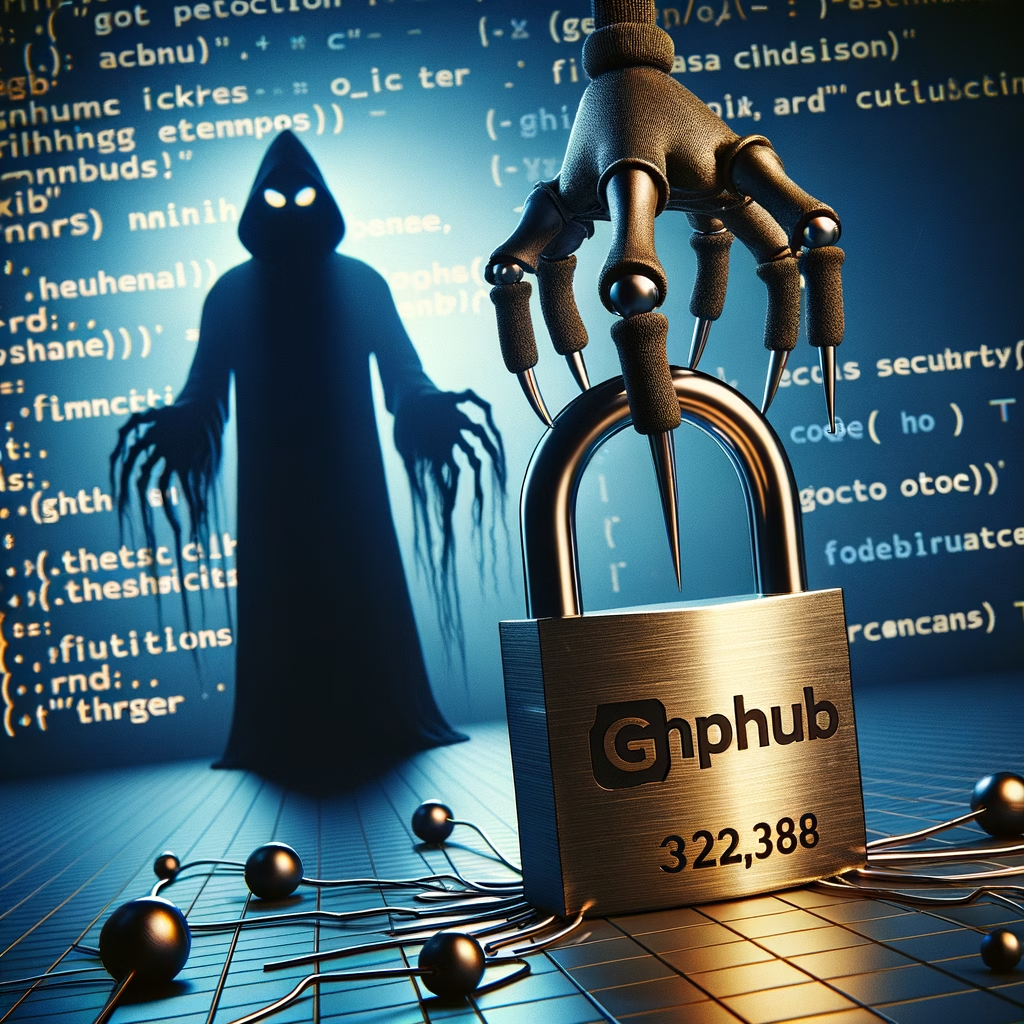
npm registry Must-Have Fixes Make It Safer
A recent wave of phishing and malware-laced npm packages has pushed GitHub to tighten registry security—introducing mandatory 2FA for popular maintainers, trusted publishing rules, and sweeping takedowns—to stop attackers from slipping malicious updates into countless JavaScript projects. These changes aim to make the ecosystem safer without losing the openness that powers modern development.

Iran-backed hackers: Exclusive Dangerous Espionage
Think that job email was real? Researchers warn Iran‑linked hackers are using fake recruitment pages to deliver MiniJunk backdoors and MiniBrowse stealers to European aerospace and related sectors, so organizations and applicants should harden hiring workflows and treat unsolicited offers with caution.

lateral movement: Stunning 18-Minute Risky Surge
Attackers now break out in a median of just 18 minutes, not hours, so organizations must embrace zero-trust, strong identity controls, segmentation and automated detection to stop breaches before they can spread.

Formbook: Exclusive Devastating Phishing Risk
From a biotech lab in Minsk to a tour operator in Almaty, dozens of organizations across Belarus, Kazakhstan and Russia were targeted by a tailored phishing campaign that deployed the notorious Formbook trojan—now linked by researchers to a new actor called ComicForm and possibly tied to SectorJ149. The case is a sharp reminder that proven malware plus savvy social engineering lets small groups steal credentials across sectors, so adding MFA, least‑privilege controls and behavioral monitoring is more important than ever.

fake IC3 pages: Must-See Dangerous Warning
Scammers are cloning the FBI’s IC3 complaint portal, turning the place victims go for help into a data‑harvesting trap. Before you report, verify fbi.gov links, use bookmarks, and follow official contact methods to keep your information safe.