Tag: cyber security
4320 articles

HexStrike AI: Stunning, Risky Weaponization Threat
HexStrike AI — built to speed up red teaming — was reportedly repurposed by attackers to exploit newly disclosed Citrix flaws within days, a wake-up call that AI-driven automation can quickly turn defensive tools into potent offensive weapons and makes faster patching and hardened defenses essential.

university affiliations: Risky Abuse Demands Must-Have Fix
Censys warns that state-linked actors are exploiting academic credentials to disguise malicious internet-mapping, putting trusted research tools to dangerous use. That leaves platforms and universities walking a tightrope between protecting open science and stopping covert, state-backed abuse.

OAuth token theft: Must-Have Fixes After Risky Breach
When OAuth token theft let attackers roam across integrations, Salesloft temporarily pulled Drift offline to stop the bleeding and fully review security. It’s a wake-up call: short-lived tokens, tighter scopes and rapid rotation are essential to keep integrations—and customer data—safe.

Salesloft/Drift incident: Exclusive Risky Security Wake-Up
Cloudflare confirmed some customer data was exposed after the Salesloft/Drift breach, but key details and the full scope remain unclear — a stark reminder that third‑party compromises can ripple across the cloud ecosystem. Customers should watch for updates and take simple precautions now, like rotating credentials and enabling MFA, while investigations continue.

OAuth tokens: Must-Have Fixes to Stop Risky Leaks
Palo Alto Networks says some commercially sensitive customer data may have been exposed after attackers used OAuth tokens stolen from the Salesloft Drift breach to access its Salesforce—proof that handy integrations can let a single vendor compromise cascade across your business. Now’s the time to audit connected apps, tighten token lifecycles, and treat integrations as continuously verified trust relationships, not set‑and‑forget conveniences.

cyber incident: Stunning Risky Blow to Jaguar Sales
A recent cyber incident forced Jaguar to take IT systems offline, halting production and leaving workers home and customers wondering about deliveries. It’s a clear reminder that modern, connected factories can be brought to their knees by digital attacks — with real costs to sales, jobs and reputation.
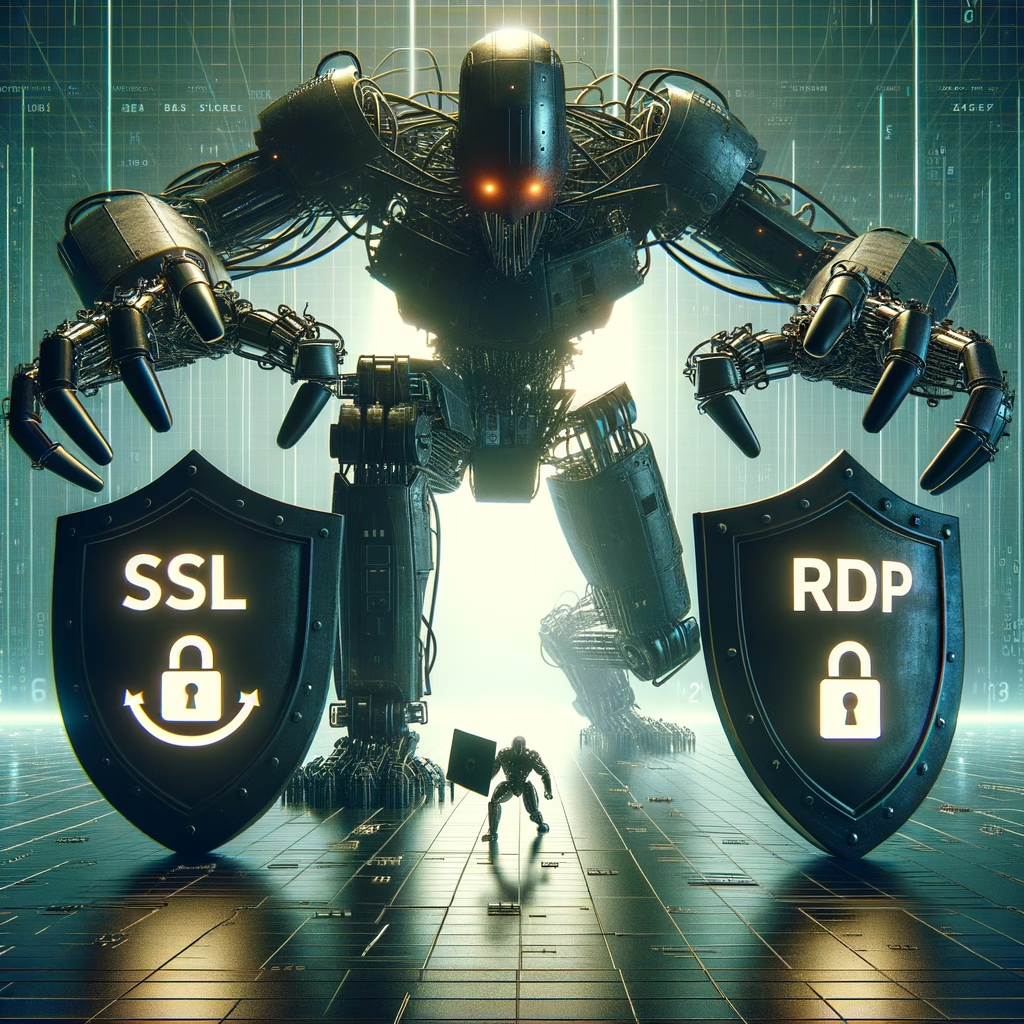
SSL VPN Urgent: Must-Have Best Defenses
Imagine someone pounding on invisible locks: a massive brute‑force campaign recently blasted SSL VPNs and RDP hosts with relentless login attempts, showing how one weak credential can lead to ransomware or data theft. If you run remote access services, enable MFA, rate‑limit logins, and segment networks now to stop attackers before they get in.

Copeland refrigeration controllers: Stunning Risky Flaws
Imagine a stranger on the internet able to warm your supermarket freezers — Frostbyte10 exposes thousands of Copeland refrigeration controllers to attacks that could spoil food, ruin vaccines and cripple supply chains. Patches and mitigations exist, but grocers and cold‑chain operators need to act fast to isolate, update and secure vulnerable units before losses mount.

signed driver Dangerous: Stunning ValleyRAT Risk
Imagine a trusted vendor’s driver used as a battering ram—Silver Fox has been abusing Microsoft‑signed kernel drivers to slip past endpoint defenses and install the ValleyRAT backdoor for stealthy, long‑term access and data theft. Tighten driver policies, add kernel‑level telemetry, and vet supply chains before digital trust becomes the next attack surface.

WhatsApp zero-day: Critical Risk, Must-Have Fixes
This week’s wake‑up call — a WhatsApp zero‑day, a Docker escape bug, and reported Salesforce access — shows how small misconfigurations and stolen credentials chain together into big breaches. Patch promptly, enable MFA, and tighten container and identity hygiene before attackers stitch those gaps into a compromise.

Ransomware incidents: Must-Have Resilience or Costly Chaos
Pennsylvania’s Attorney General says “we refused to pay,” choosing to withstand a ransomware attack that has delayed court filings and strained case processing across the state. The decision highlights the painful trade-off between short-term recovery and long-term deterrence—and underscores why public agencies must invest in stronger backups, better defenses, and robust continuity plans.

watering-hole technique: Exclusive Risky Exposed
When nation‑state actors like APT29 weaponize familiar conveniences — such as “Sign in with Microsoft” flows and popular websites — a routine visit can hand over credentials and session tokens at scale. Amazon’s disclosure shows watering‑hole attacks have evolved, so teams and users should treat federated logins and consent prompts with fresh skepticism and stronger protections.

Salesloft Drift integration: Risky Must-Have Fixes
A widely used Salesloft–Drift integration meant to speed workflows is being abused to pivot into Google Workspace accounts—now’s the time to audit OAuth permissions, enforce least privilege, and revoke any unnecessary app access before attackers do.

Operation HanKook Phantom: Exclusive Dangerous Threat
When colleagues become targets, South Korea’s academic community is facing a stealthy campaign — Operation HanKook Phantom — where ScarCruft (APT37) uses tailored phishing and the RokRAT trojan to siphon research and influence policy debates. Universities must boost basics like MFA, endpoint protection and phishing training to protect open inquiry without closing it off.

restaurant robots: Shocking Security Risks Exposed
A researcher known for probing McDonald’s systems found Pudu Robotics left administrative controls wide open, letting attackers redirect delivery bots and issue arbitrary commands. Restaurants, hotels and regulators need to act now to secure these ubiquitous machines before misuse causes safety, privacy or reputational harm.

Cozy Bear Exposed: Risky OAuth Attack — Must-Have Alert
AWS says it disrupted a Cozy Bear (APT29) campaign that used fake websites and OAuth consent tricks to coax Microsoft users into granting access to mail, calendars and other data. The episode is a reminder that convenient features like single sign‑on can be repurposed for stealthy espionage — and why cloud providers are increasingly acting as front‑line defenders.

spear-phishing campaign: Risky North Korean Tactic Exposed
North Korea’s APT37 is luring South Koreans with real-looking internal briefings, turning trusted emails into powerful espionage tools — a wake-up call to strengthen MFA, behavior-based detection, and cross‑agency info sharing.

security reforms Must-Have Fixes After Risky Afghan Leak
As ministers prepare to face Parliament, a confidential review of the 2021 Afghan data leak says crucial security reforms remain unimplemented — critics warn that those delays leave vulnerable people exposed and risk turning one breach into a systemic failure.

Salt Typhoon: Stunning, Alarming Telecom Privacy Breach
The FBI warns that a years‑long Chinese cyberespionage campaign called “Salt Typhoon” infiltrated global telecom infrastructure and quietly harvested communications and metadata tied to millions of Americans. It’s a wake‑up call — expect tougher industry fixes and policy moves, plus simple steps you can take now to protect your accounts and privacy.

foreign agents: Stunning, Risky Threat to U.S. IP
A blunt DCSA warning reveals how state-backed actors—mostly linked to China—exploit agents, front companies and open research networks to siphon U.S. intellectual property and defense know‑how. We must sharpen vetting, export controls and cyber defenses while protecting the openness that fuels American innovation.

unprepared for a cyberattack: Must-Have Risky Wake-Up Call
58% of organizations say they’re not ready for a cyberattack—putting customer data, operations, and reputations at risk. Boards and security teams must act now with better detection, practiced response plans, and investments in people.

systemic failures: Stunning $97M fine signals severe risk
SK Telecom was slapped with a record ₩134.5 billion (≈$97M) fine after regulators found basic security blunders that left internal networks exposed — a sharp reminder that weak segmentation and access controls can turn routine services into a breach gateway. The penalty is meant to punish the lapses and push the industry toward stronger, lasting protections for user data.

Salt Typhoon: Exclusive Risky Breach Exposes 600+ Orgs
A China-linked APT called Salt Typhoon has quietly breached over 600 organizations by exploiting Cisco, Ivanti, and Palo Alto flaws—targeting backbone routers and management systems to gain persistent, wide-reaching access. The campaign is a wake-up call to prioritize patching, inventory, and stronger segmentation and logging for every organization that relies on critical network infrastructure.

application breach: Exclusive Risky Data Wake-Up Call
A TransUnion support-app breach exposed personal data for about 4.5 million people, a stark reminder that trusting a handful of giant firms with your identity can amplify risk. Take it as a wake-up call to balance digital convenience with protection—consider credit freezes, monitoring, and reviewing your accounts regularly.