Tag: bias
6 articles

Chargers fans Exposed: Shocking Bias Threatens Trust
A Harvard-led study suggests ChatGPT may be more likely to refuse questions from suspected LA Chargers fans than other NFL supporters, raising a surprising but serious fairness question about how safety guardrails can unintentionally silence certain groups.

facial recognition: Stunning Risks Expose Flaws
Lab-perfect facial recognition often stumbles in the real world—poor lighting, low-quality cameras, masks and demographic bias can turn high benchmark scores into risky guesses on the street. Before we let cameras decide who’s innocent or guilty, we need real-world testing, transparency, and rules that protect people.

algorithmic matching: Essential, Best Practices
AI and data are reinventing how people find work, promising faster matches and tailored training—but rising long-term unemployment shows that technology alone won’t solve the problem. With thoughtful design, transparency, and human oversight, AI can help people get back to work fairly; without it, the gains risk reinforcing old biases and leaving vulnerable workers behind.

live facial recognition Stunning but Risky Expansion
The UK’s decision to add 10 live facial‑recognition police vans has reignited a heated debate. Supporters say they’ll help catch suspects and protect public spaces, while campaigners warn they risk widening surveillance, entrenching bias and eroding public trust without stronger legal safeguards.

police facial recognition: Must-Have or Risky Deployment
Ten mobile facial‑recognition vans promise quicker suspect ID and faster missing‑person responses, but accuracy gaps, bias concerns and fuzzy legal safeguards mean we must insist on independent audits, clear transparency and enforceable limits before these systems become routine.
Automatic License Plate Readers: Must-Have Safety Tool
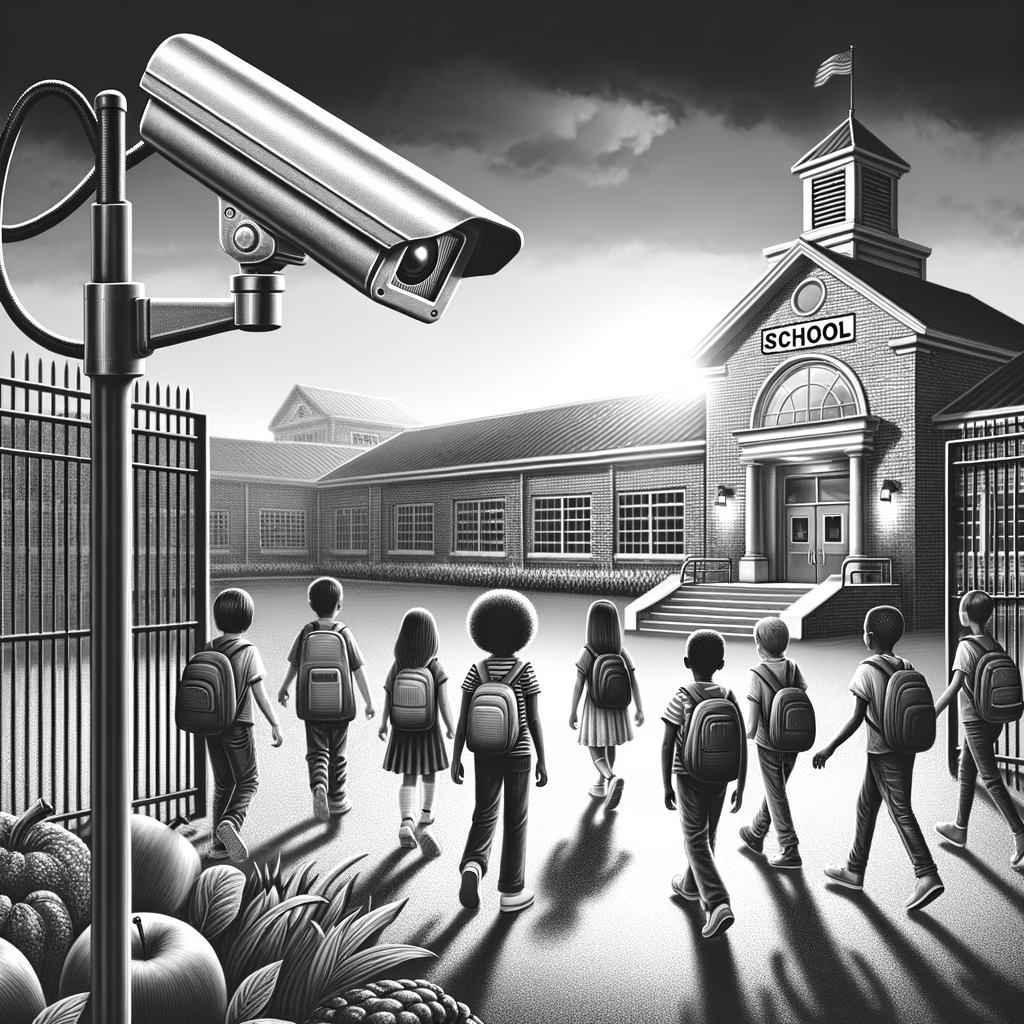
Schools are testing Automatic License Plate Readers to bolster campus safety, but parents and educators rightly worry about privacy and how collected data will be used. Clear policies and open community dialogue are essential to harness these tools responsibly so they protect kids without sacrificing civil liberties.