Tag: authentication
146 articles

Axios user agent Dangerous Surge: Must-Have Defense
A routine Axios user‑agent has been weaponized — ReliaQuest found a 241% surge in phishing that spoofs the header to evade filters and increase clicks. Security teams need to stop trusting user‑agent strings alone and adopt layered defenses before attackers scale this trick further.

exposed Docker APIs: Must-Have Fixes Against Risky Miners
Leaving Docker Remote APIs exposed is like leaving your front door open — attackers are now using TOR-backed cryptojacking campaigns to quietly hijack compute, lock out rivals, and hide their tracks. Secure your management endpoints with authentication and network controls, enforce least-privilege, and monitor for unusual container activity to stop wallets from draining your cloud bill.

crypto phishing Shocking Supply-Chain Nightmare
One phishing click that reset a maintainer’s 2FA let attackers slip backdoors into at least 18 popular npm packages — including debug and chalk — turning trusted libraries into supply-chain landmines. It’s a wake-up call: human error can ripple through the entire ecosystem, so stronger authentication, multi-person publishing, and tighter dependency hygiene can’t wait.

MFA rollout Disastrous: Must-Have Fixes for Delays
The rushed PACER MFA rollout has left lawyers on hold for hours and courts scrambling — a stark reminder that security upgrades need phased rollouts, better user support, and simple recovery options so access and justice aren’t delayed.

Sitecore sample keys: Risky, Must-Have Fixes
A copy‑paste of Sitecore’s documented sample machineKey values has been weaponized to gain remote code execution and install snooping malware, proving that example keys in production are dangerous secrets. Check your Sitecore instances now, rotate any sample keys, and lock down exposed endpoints before scanners turn convenience into a full breach.

data leaks: Must-Have Critical Detection Tips
A single exposed ClickHouse instance showed how quiet misconfigurations can hand attackers the breadcrumbs they need; detecting leaks early turns that slow-burning risk into a manageable incident. Start with inventory, automated scans, and clear playbooks to stop a minor misstep from becoming a full-blown disaster.

Salesloft–Drift incident: Exclusive Risky Wake-Up Call
When a vendor like Salesloft or Drift is breached, even giants like Cloudflare can have customer data exposed — a stark reminder that trusted integrations can become attack paths. Now’s the time to audit third‑party access, rotate tokens, and tighten least‑privilege controls before the next ripple causes real harm.

Tycoon phishing kit: Stunning Dangerous Cloaking Tactics
A prolific phishing kit called Tycoon is now hiding malicious links behind layered redirects, URL obfuscation, and browser-only cloaking to slip past email scanners and trick users. Stay vigilant—combine stronger link inspection, browser-based emulation, DMARC/DKIM/SPF hardening, and user training to blunt this evolving threat.
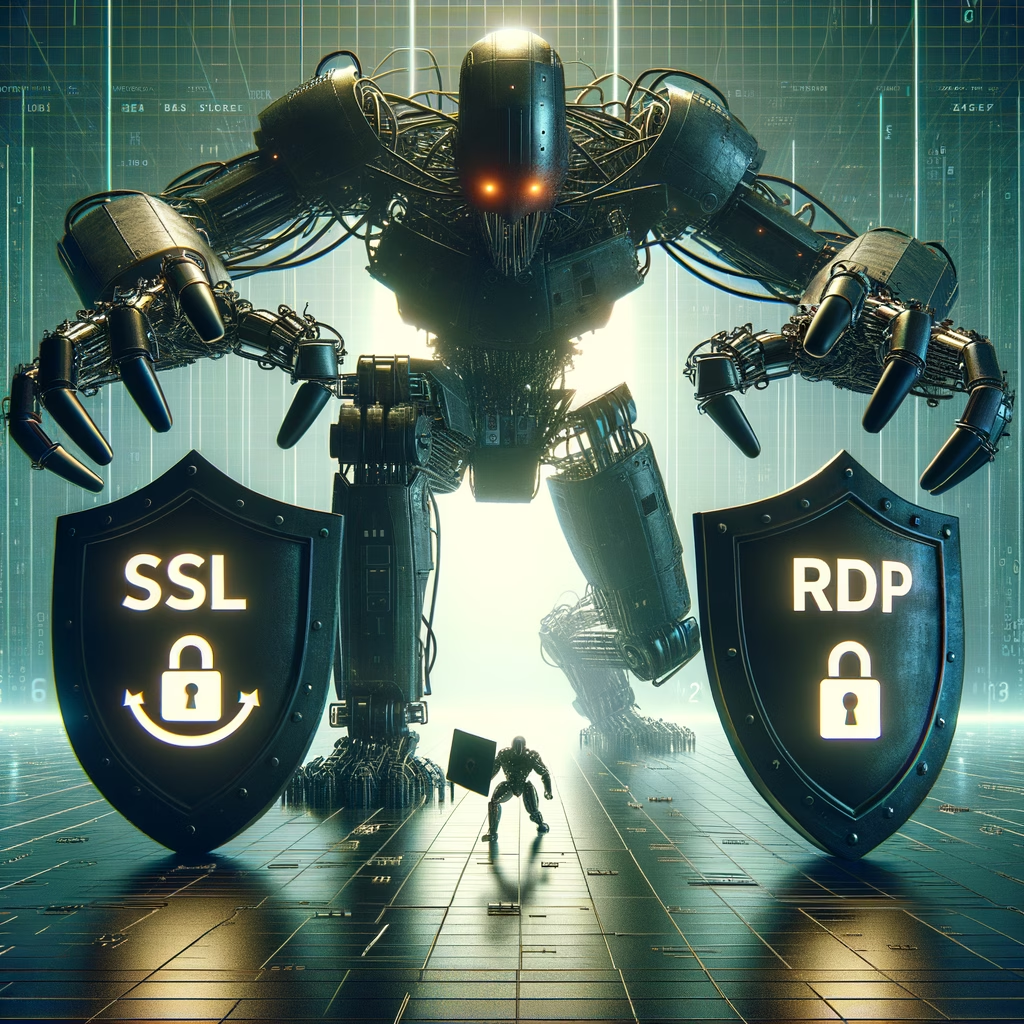
SSL VPN Urgent: Must-Have Best Defenses
Imagine someone pounding on invisible locks: a massive brute‑force campaign recently blasted SSL VPNs and RDP hosts with relentless login attempts, showing how one weak credential can lead to ransomware or data theft. If you run remote access services, enable MFA, rate‑limit logins, and segment networks now to stop attackers before they get in.

exposed Ollama servers: Risky Must-Have Security Fix
Cisco Talos found 1,100+ publicly exposed Ollama servers, creating easy paths for data theft, malicious model swaps, and other abuse. It’s a wake-up call to fix misconfigurations, enforce authentication, and make secure defaults the norm.

Scattered Spider: Must-Have Defense for Risky Browser Attacks
The browser is now the workplace front door—and groups like Scattered Spider are exploiting it with social engineering and account-takeover tricks. Enterprises can keep cloud-first convenience without handing over the keys by layering phishing‑resistant MFA, locking down extensions and OAuth grants, and monitoring browser telemetry.

watering-hole technique: Exclusive Risky Exposed
When nation‑state actors like APT29 weaponize familiar conveniences — such as “Sign in with Microsoft” flows and popular websites — a routine visit can hand over credentials and session tokens at scale. Amazon’s disclosure shows watering‑hole attacks have evolved, so teams and users should treat federated logins and consent prompts with fresh skepticism and stronger protections.

Cozy Bear Exposed: Risky OAuth Attack — Must-Have Alert
AWS says it disrupted a Cozy Bear (APT29) campaign that used fake websites and OAuth consent tricks to coax Microsoft users into granting access to mail, calendars and other data. The episode is a reminder that convenient features like single sign‑on can be repurposed for stealthy espionage — and why cloud providers are increasingly acting as front‑line defenders.

FreePBX admin interface Critical Risky Patch Alert
If your FreePBX admin panel is reachable from the internet, assume attackers are already probing it — Sangoma warns an actively exploited zero-day is targeting exposed systems. Patch immediately, restrict access (VPN or IP allowlists), enable MFA, and review logs to ensure your PBX hasn’t been compromised.

ConnectWise ScreenConnect: Stunning Security Risk
Attackers are now tricking victims into installing legitimate remote-support tools like ConnectWise ScreenConnect, then using those same trusted apps to seize control of devices — a stealthy shift that makes phishing far harder to spot. Stay skeptical of unsolicited support requests and verify them out of band, because convenience is the new vulnerability.

phishing attack Stunning Risky ZipLine Exposed
A new ZipLine phishing campaign uses a legitimate-looking White House photo and fake contact forms to trick employees at U.S. manufacturers into handing over credentials — opening the door to IP theft and ransomware. It’s a sharp reminder that a single authentic image can bypass defenses, so tighten verification, MFA, and training now.

NetScaler vulnerabilities: Critical Must-Fix Patches
Citrix has released urgent patches for three actively exploited NetScaler flaws, but fixing them often means juggling downtime, complex dependencies, and the worry that attackers may already be inside — update your appliances now, monitor logs, and apply recommended mitigations if you can’t patch immediately.

VPS-based attacks: Critical Guide to Risky Threats
Attackers are increasingly using rented VPS hosts to make their logins look like legitimate data-center traffic, blurring the line between customer and criminal. SaaS teams and users need stronger passwords, phishing-resistant MFA, and behavior-based authentication to stop stealthy account takeovers.

Impersonation as a service: Stunning and Dangerous Threat
Imagine your password doesn’t matter because someone can perfectly impersonate you — that’s the new reality as “impersonation as a service” blends deepfakes, scraped data, and skilled social engineers to trick businesses and people into handing over money and secrets. The fix isn’t just tech: smarter verification, AI detection, and simple habits like out-of-band confirmation can blunt the threat if organizations and users start assuming anyone can be imitated.

Commvault RCE: Critical Exploit – Patch Immediately
Could your backup system be a backdoor? Commvault patched four pre-auth vulnerabilities (notably CVE-2025-57788) in 11.36.60 that can be chained into remote code execution—update now or apply compensating controls to protect your backups and recovery.

Orange Belgium customers: Stunning Risky Breach 850K
A massive breach at Orange Belgium has put about 850,000 customers’ personal details into criminal hands, raising risks like SIM‑swap, targeted phishing and identity theft. If you might be affected, check what was exposed, lock down your carrier account with app‑based 2FA or a unique PIN, and be extra skeptical of unsolicited calls, texts or emails.

SIM-swap attacks: Must-Have Urgent Defenses
A major breach exposing SIM identifiers makes SIM‑swap attacks a real and urgent risk — but you can protect yourself now by switching from SMS to app- or hardware-based MFA, adding a carrier PIN or passphrase, and watching your accounts for suspicious activity.

QR codes Risky: Must-Have Defenses Against Quishing
Think twice before you scan — attackers are now weaponizing QR codes with split and hidden payloads that can reassemble on your device or piggyback on legitimate codes, making phishing harder to spot. As QR use spreads to payments and workplace authentication, simple scan previews, better detection, and a healthy dose of skepticism are your best defenses.

SAP NetWeaver flaw: Urgent Critical Risk, Must-Have Fix
A critical, unauthenticated RCE in SAP NetWeaver AS Java now has exploit code in the wild, meaning internet-facing servers can be commandeered without credentials. If you run NetWeaver, inventory exposed instances and apply patches or network mitigations immediately—this isn’t a routine update, it’s an emergency.