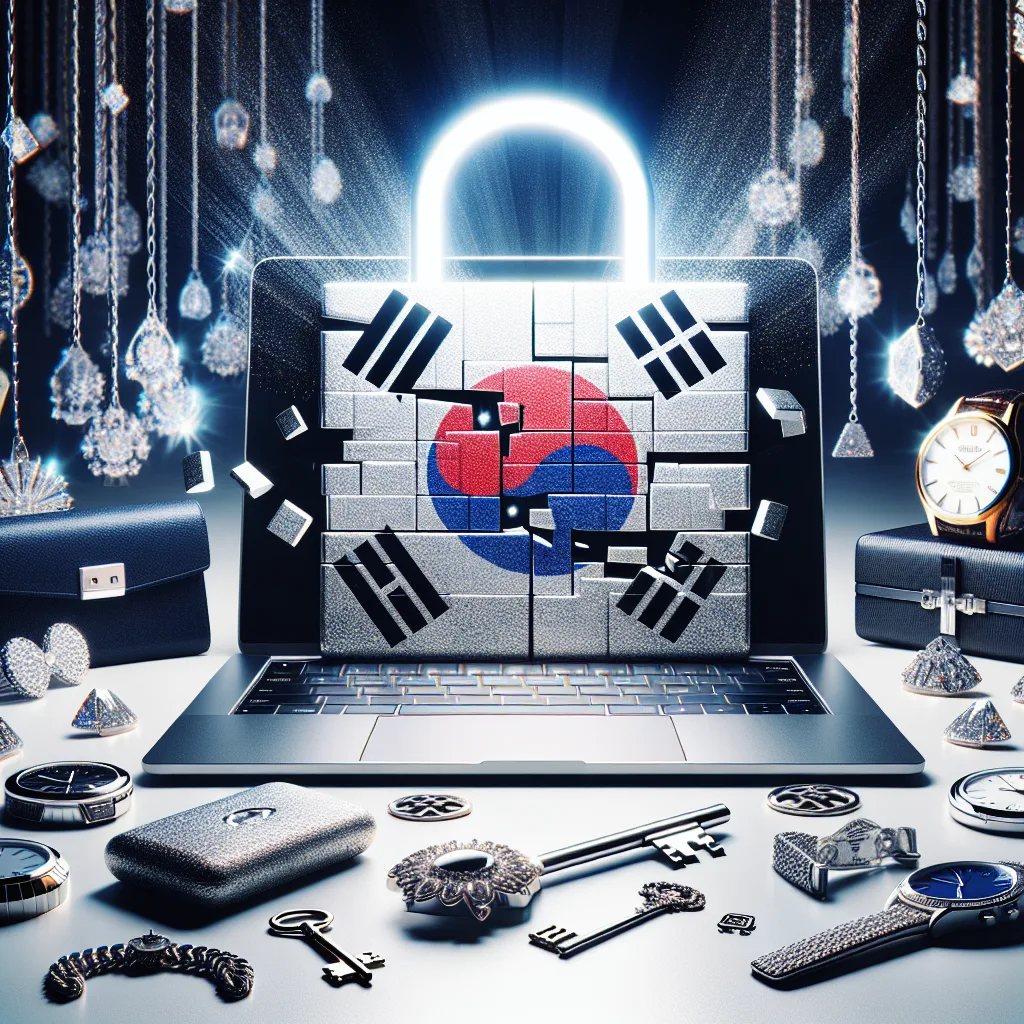
Luxury Under Siege: What South Korea’s Data Breaches Reveal About the Vulnerabilities of High-End Retail
In a development that has rattled industry insiders and raised alarms among customers, two prestigious retail brands—Tiffany & Co. and Dior—have confirmed significant data breaches affecting South Korean clientele. The incidents, both emerging from vulnerabilities in a third-party vendor platform, reveal a growing trend of cybersecurity challenges infiltrating sectors once considered insulated by brand prestige and robust infrastructures.
The breaches, disclosed in rapid succession, involve the unauthorized access and theft of personal information of South Korean shoppers. Tiffany & Co. reported that hackers exploited weaknesses in the digital platform of one of its external service providers, a move that echoes the timing and nature of a similar incident at Dior. With luxury brands increasingly reliant on technology and external platforms, these breaches have prompted a reassessment of cybersecurity protocols across the retail landscape.
Historically, the luxury goods sector has prided itself on impeccable brand reputation and customer trust. Yet in recent years, even storied names have not been immune to the cyberthreats that have besieged various industries. Previous incidents—including data breaches at renowned retailers in North America and Europe—have underscored the intersection of digital innovation and risk. When third-party vendors manage customer data, the ability to safeguard sensitive information becomes a shared responsibility among multiple stakeholders, complicating accountability and regulatory oversight.
Today, the situation is evolving in real time. Officials from Tiffany & Co. confirmed that cybercriminals targeted the third-party platform used to manage customer relationships, gaining access to names, addresses, and other personal identifiers. Similarly, a statement from Dior reiterated that hackers had infiltrated a vendor’s system, compromising the data of South Korean shoppers. While neither company has disclosed the full extent of the breach or the number of affected individuals, the alignment in timing and methodology between the two incidents has ignited concerns about potential systemic vulnerabilities within the vendor platforms frequently employed by multinational retailers.
The implications of these breaches resonate beyond immediate reputational damage. Analysts emphasize that the exposure of customer data from high-end brands can erode consumer trust, provoke legal challenges, and spark calls for stricter cybersecurity regulations. Given the meticulous nature of luxury brand clientele, any lapse in data security can have outsized economic and legal consequences.
For many observers, this incident is a stark example of how the digital transformation of retail can sometimes come at a steep price. As companies increasingly outsource critical functions to third-party vendors, the lines of responsibility become blurred. A recent report by the Korea Internet & Security Agency (KISA) found that the rate of cyber incidents in South Korea has been on an upward trend over the past few years—a sentiment echoed by cybersecurity experts in the region.
Cybersecurity expert Bruce Schneier, whose extensive work in digital security has been widely cited in industry reports, has long warned that “the weakest link in the network is often the third party.” While Schneier did not comment specifically on these recent breaches, his cautionary stance about third-party vulnerabilities finds renewed relevance in light of these incidents. The breaches serve as a case study in the risks of relying on external platforms without rigorous oversight and ongoing security assessments.
Multiple perspectives now converge as stakeholders scramble to address the fallout. From a legal standpoint, consumer protection agencies are expected to probe whether the compromised data could lead to lawsuits against both the primary brands and their third-party vendors. Cybersecurity operators are likely to intensify their scrutiny on vendor risk management practices. And policymakers might consider seismic regulatory changes to enforce stricter standards for data security, particularly for industries handling sensitive consumer information.
- Brand Reputation: The consistent image of luxury brands is built on trust and exclusivity. A data breach not only jeopardizes consumer confidence but can also diminish the perceived value of the brand.
- Regulatory Impact: South Korean authorities, already vigilant about data privacy under laws such as the Personal Information Protection Act (PIPA), may use this incident as a catalyst for more rigorous enforcement or revision of existing regulations.
- Operational Shifts: The vulnerability highlighted by these breaches could prompt a broader industry shift toward in-house data management or the adoption of enhanced cybersecurity measures by third-party providers.
Looking ahead, the tech community, consumers, and regulators alike will be keeping a close watch on how both Tiffany & Co. and Dior respond. Enhanced cyber defenses, more stringent vendor assessments, and transparency in communication will be critical in mending the trust breach. Financial analysts speculate that in the short term, luxury brands may experience a dip in market confidence, though history suggests that rapid, decisive action can mitigate longer-term damage.
In the era of digital ubiquity, where customer data is a highly coveted commodity and corporate workflows depend on distributed systems, these incidents are a timely reminder: security must be as refined as the products these brands offer. How well the industry adapts might very well dictate the future trajectory of luxury retail in our increasingly interconnected world.
As the dust settles, one must ask: in a world where no brand is too prestigious to be targeted, can retailers truly claim that their digital fortresses are impregnable? The answer may lie in a concerted, industry-wide effort to rethink and reinforce the fundamental tenets of data protection in an age defined by both opportunity and unprecedented risk.