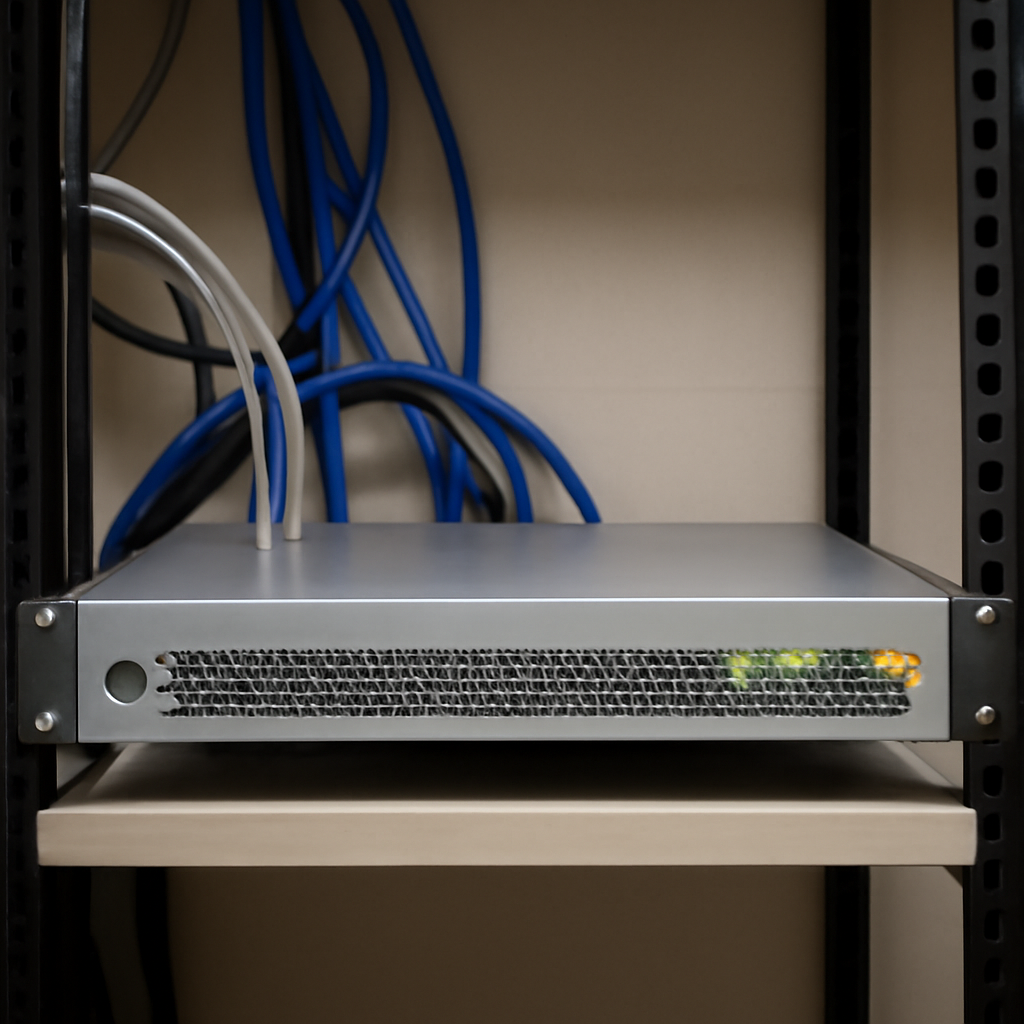
Shadowserver currently tracks over 400 Internet-exposed SMA1000 appliances, a concentration of devices that SonicWall says could be directed to make internal requests on an attacker’s behalf if left unpatched.
Immediate risk: CVE-2026-102255 and the SSRF vector
SonicWall published hotfixes to address a maximum-severity server-side request forgery (SSRF) flaw identified as CVE-2026-102255 in its SMA1000 series appliances. The company described the problem as an "unintended alternate access-path weakness" that attackers who lack privileges can exploit in "low-complexity attacks." SonicWall warned that, "By abusing this path, a remote unauthenticated attacker could potentially exploit this vulnerability to direct the appliance to issue requests on their behalf and reach internal functionality and perform unauthorized operations."
Affected hardware: SMA1000 6210, 7210, 8200v (not SMA 100 Series or SSL‑VPN)
SonicWall said the vulnerability affects SMA1000 6210, 7210, and 8200v models. The company explicitly noted the issue does not affect the SMA 100 Series product line and does not impact SSL‑VPN running on SonicWall firewalls.

Audit-ready is a season. It shouldn't be.
Evidence in spreadsheets, controls drifting between audits, frameworks multiplying on flat headcount. Nubivance runs continuous compliance on Rapid7 Cyber GRC - SOC 2, HIPAA, ISO 27001, PCI, CMMC.
End the scrambleVendor response: SonicWall hotfixes and guidance
SonicWall released hotfixes on Tuesday and urged customers to deploy them to block potential attacks against virtual or physical appliances. The vendor reiterated that users should upgrade to the fixed release and emphasized there is no current evidence of exploitation: "SonicWall strongly advises users of the SMA1000 series appliances to upgrade to the mentioned fixed release version to address these vulnerabilities," adding, "There is currently no evidence any of the vulnerabilities addressed in this release are being exploited in the wild."
Internet exposure: Shadowserver's count and patching uncertainty
Security watchdog Shadowserver reports more than 400 SMA1000 appliances exposed to the Internet; SonicWall cautioned some of those may already have been patched. The existence of hundreds of reachable appliances underscores the practical exposure risk even when a vendor has released fixes.
Recent pattern: zero‑days, chained exploits, and CISA listings
The new SSRF advisory sits against a broader pattern of targeting for the SMA1000 family. SonicWall said that since the start of the year, threat actors have exploited several SMA1000 security vulnerabilities in zero‑day attacks. Last month the vendor warned customers that attackers were chaining two zero‑day flaws, CVE-2026-83548 and CVE-2026-83549, to execute remote code on vulnerable SMA1000 gateways. Meanwhile, the Cybersecurity and Infrastructure Security Agency (CISA) has added 19 SonicWall vulnerabilities to its list of actively exploited flaws over the last four years, 13 of which have also been abused in ransomware attacks.
What this means for government agencies, Managed Service Providers (MSSPs), and large corporations
- Government agencies: These appliances are used to provide secure remote access to internal apps and networks; agencies should prioritize installing the hotfix to prevent unauthenticated SSRF that could reach internal functionality.
- Managed Service Providers (MSSPs): MSSPs that deploy SMA1000 gateways on behalf of clients face both direct risk to their managed networks and downstream exposure for customers; applying the vendor’s fixed release will reduce the likelihood of chained or follow‑on attacks.
- Large corporations: Enterprises using SMA1000 for VPN access should treat the hotfix as high priority given prior zero‑day exploitation and CISA’s history of flagging SonicWall flaws as actively exploited and ransomware‑abused.
Conclusion: SonicWall has issued fixes for CVE-2026-102255 and is clear that no in-the-wild exploitation has been observed so far, but the combination of a low-complexity SSRF vector, hundreds of Internet-exposed appliances, and a recent history of zero‑day abuse creates a substantive operational risk. Organizations that rely on SMA1000 6210, 7210, or 8200v devices should install the Tuesday hotfix immediately and confirm exposure reduction where Internet‑accessible appliances are present.