Security Alert: Hospitals Face Potential Terror Threats
In recent weeks, a series of alarming threats have emerged, targeting hospitals across mid-tier U.S. cities. Authorities have issued warnings regarding potential coordinated terrorist attacks, prompting healthcare organizations to enhance their physical and cyber security measures. The Health Information Sharing and Analysis Center (Health ISAC) and the American Hospital Association (AHA) have both emphasized the need for healthcare entities to bolster their preparedness in the face of these threats. This report provides a comprehensive analysis of the current security landscape for hospitals, examining the implications of these threats across various domains, including security, economic impact, and emergency management.
Understanding the Threat Landscape
The recent threats against hospitals have been disseminated primarily through social media channels, raising concerns about the credibility and seriousness of these warnings. While the specific details of the threats remain vague, the potential for coordinated attacks on healthcare facilities poses significant risks. Hospitals, as critical infrastructure, are particularly vulnerable due to their open access and the high volume of individuals present at any given time.
Historically, healthcare facilities have been targets for various forms of violence, including mass shootings and terrorist attacks. The 2015 attack on a Colorado Springs Planned Parenthood clinic and the 2016 shooting at a Florida nightclub are stark reminders of the vulnerabilities faced by public spaces. The current threats against hospitals echo these past incidents, highlighting the need for a proactive approach to security.
Physical Security Measures
In response to the heightened threat level, hospitals are urged to review and enhance their physical security protocols. Key measures include:
- Access Control Systems: Implementing stricter access controls to limit entry points and monitor who enters and exits the facility.
- Surveillance Technology: Upgrading surveillance systems to ensure comprehensive coverage of hospital grounds, including parking lots and entrances.
- Security Personnel Training: Providing specialized training for security staff to recognize and respond to potential threats effectively.
- Emergency Response Drills: Conducting regular drills to prepare staff for various emergency scenarios, including active shooter situations and bomb threats.
These measures not only enhance the safety of patients and staff but also serve to reassure the public that hospitals are taking the necessary steps to protect their well-being.
Cybersecurity Considerations
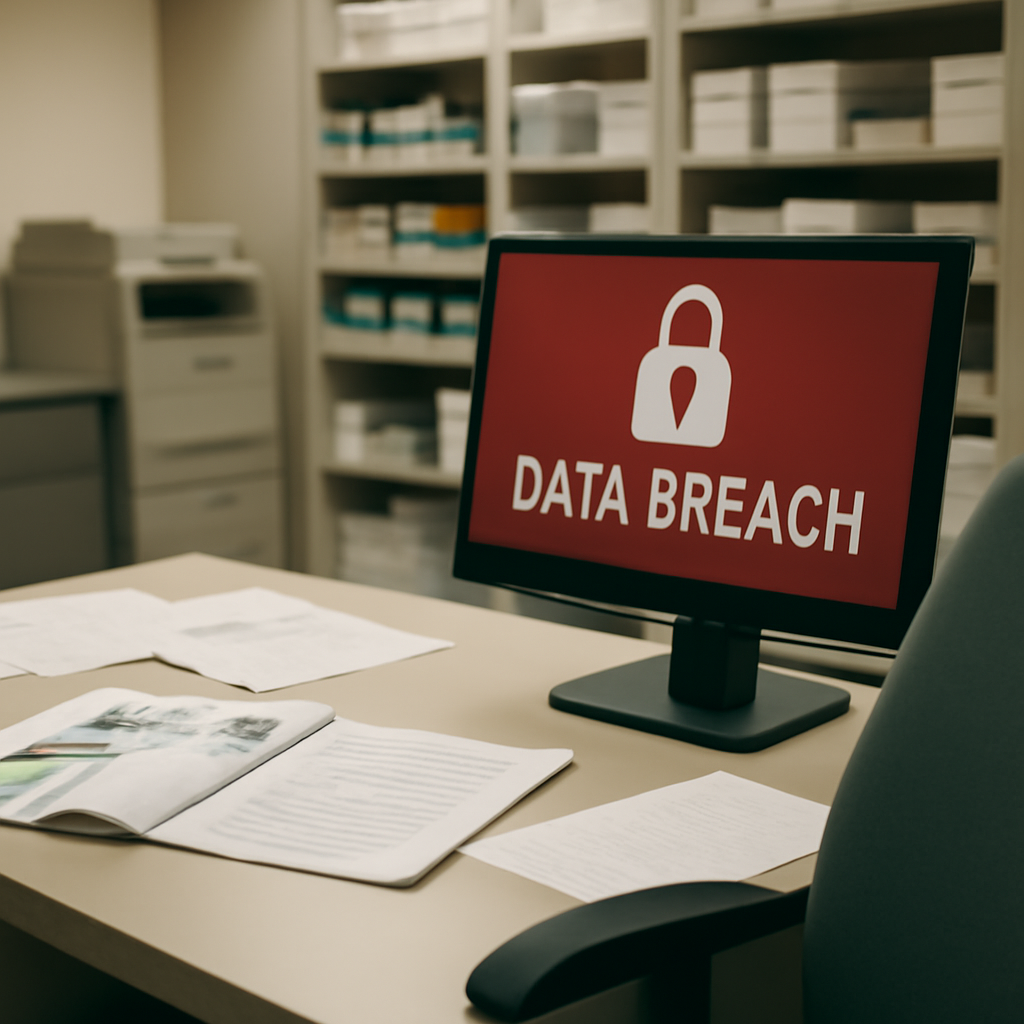
In addition to physical threats, hospitals must also contend with the increasing risk of cyberattacks. The healthcare sector has been a prime target for cybercriminals, particularly ransomware attacks that can cripple hospital operations. The recent surge in cyber threats necessitates a dual focus on both physical and cyber security. Key cybersecurity measures include:
- Network Security Enhancements: Implementing firewalls, intrusion detection systems, and regular security audits to identify vulnerabilities.
- Employee Training: Educating staff on recognizing phishing attempts and other cyber threats to reduce the risk of breaches.
- Data Backup Protocols: Establishing robust data backup systems to ensure that critical patient information can be restored in the event of a ransomware attack.
- Incident Response Plans: Developing and regularly updating incident response plans to ensure a swift and effective reaction to cyber incidents.
By addressing both physical and cyber vulnerabilities, hospitals can create a more resilient security posture that protects against a range of potential threats.
Economic Implications of Enhanced Security
The financial implications of bolstering security measures in hospitals are significant. While investing in security infrastructure may require substantial upfront costs, the long-term benefits can outweigh these expenses. Key economic considerations include:
- Cost of Security Investments: Hospitals must allocate budgets for security upgrades, including technology, personnel training, and emergency preparedness.
- Potential Losses from Attacks: The financial impact of a successful attack can be devastating, leading to operational downtime, loss of patient trust, and potential legal liabilities.
- Insurance Premiums: Enhanced security measures may lead to lower insurance premiums, as insurers recognize the reduced risk associated with improved security protocols.
- Public Confidence: A strong security posture can enhance public confidence in healthcare facilities, potentially leading to increased patient volumes and revenue.
Ultimately, the economic rationale for investing in security is clear: the cost of prevention is often far less than the cost of recovery from an attack.
Emergency Management and Response Plans
Effective emergency management is crucial in mitigating the impact of potential threats. Hospitals must develop comprehensive response plans that encompass both physical and cyber incidents. Key components of these plans include:
- Collaboration with Local Authorities: Establishing strong relationships with local law enforcement and emergency services to ensure coordinated responses to threats.
- Communication Protocols: Developing clear communication strategies to inform staff, patients, and the public during emergencies.
- Resource Allocation: Ensuring that adequate resources are available for emergency response, including medical supplies and personnel.
- Post-Incident Review: Conducting thorough reviews after incidents to identify lessons learned and improve future response efforts.
By prioritizing emergency management, hospitals can enhance their ability to respond effectively to threats, minimizing harm to patients and staff.
Conclusion
The recent security alerts regarding potential terrorist threats to hospitals underscore the urgent need for enhanced security measures across the healthcare sector. By addressing both physical and cyber vulnerabilities, hospitals can create a more resilient environment that protects against a range of threats. The economic implications of these investments are significant, as the cost of prevention is often far less than the cost of recovery from an attack. Furthermore, effective emergency management and response plans are essential in ensuring that hospitals can respond swiftly and effectively to any incidents that may arise. As the threat landscape continues to evolve, it is imperative that healthcare organizations remain vigilant and proactive in their security efforts.