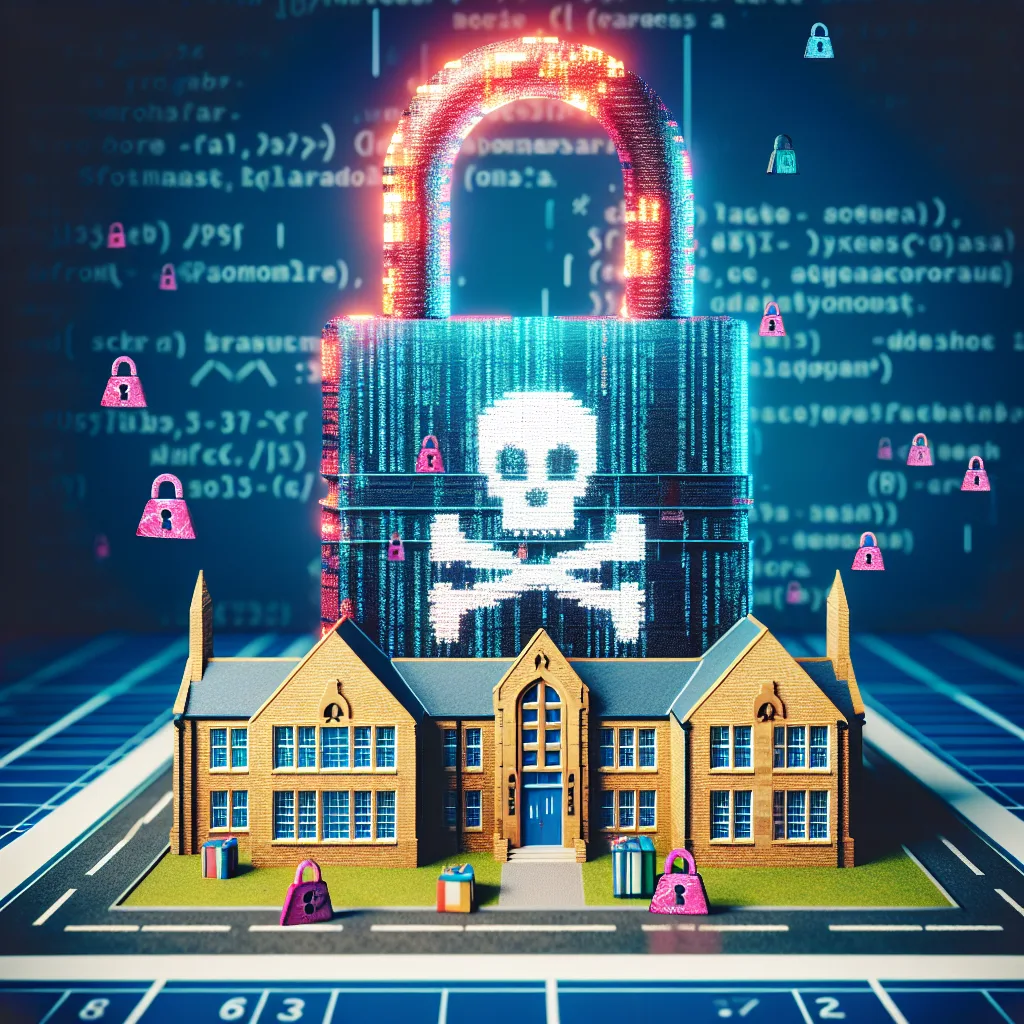
Scottish Education Network Breached: A Wake-Up Call for Cybersecurity in Public Schools
West Lothian Council in Scotland is battling the fallout from a cyberattack that compromised the personal information of parents and teachers, and exposed sensitive identification documents online. The incident, which occurred earlier this month, has laid bare vulnerabilities in the public sector’s digital defenses at a time when trust in technology and data privacy is more critical than ever. While the integrity of the upcoming exam season remains largely intact, the breach has generated significant concern among education administrators, cybersecurity specialists, and families alike.
Officials from West Lothian Council confirmed that data was stolen from its education network during an intrusion that the Interlock ransomware group has openly claimed responsibility for. As schools continue to adapt to increasingly digitized operations, the exploitation of these weaknesses underscores the urgent need for robust cybersecurity measures—a need that has been amplified across many public services in recent years.
Throughout Scotland, and indeed across much of the United Kingdom, government bodies recognize that the rapid digital transformation has outpaced security protocols in numerous institutions. The data leak, which includes sensitive personal records, highlights a troubling trend: the expansion of technologically enabled threats even in sectors traditionally seen as low-risk, such as local government education systems. With cybercriminals meticulously targeting infrastructure that supports daily community functions, the incident raises fundamental questions about how best to safeguard personal information and maintain public trust.
Data from West Lothian Council, which operates a vast network servicing schools, reveals that the breach affected internal records used for administrative and educational purposes. Despite the gravity of the situation, council representatives have stressed that exam-related systems appear to be unaffected—a fact that has provided a small measure of reassurance for students, parents, and teachers. However, several impacted parties now face the challenge of monitoring and mitigating the long-term risks associated with identity theft and potential misuse of their personal documentation.
In the halls of academic institutions, educators and administrators alike are reeling from the disruption. The leak of sensitive documents, including identity proofs and personal contact details, not only unsettles those directly involved but also casts a shadow over public confidence in the digital frameworks that support modern education. With the attack coming at the tail end of preparations for exam season, the timing has intensified scrutiny from both the media and cybersecurity experts.
The detailed timeline of events began earlier this month when the Interlock ransomware group’s online message first revealed a claim of responsibility. Although some might suspect that such groups frequently overstate their reach, cyber forensic teams working with West Lothian Council have confirmed that a substantive breach occurred. Law enforcement agencies, along with the UK National Cyber Security Centre (NCSC), are now investigating the intrusion in efforts to determine the full extent of the data exfiltration and to identify any further vulnerabilities within the system.
This incident is not isolated. Across Europe and North America, similar attacks against educational networks have been reported, each underscoring systemic issues in public cybersecurity strategy. Many councils in the United Kingdom are now examining their redundancy protocols, strengthening access controls, and auditing legacy systems that may not have been designed to withstand the cyber threats of the modern era.
Why does this matter? Certainly, the immediate consequence for affected individuals is the increased risk of identity fraud and exposure to financial scams. But beyond the individual level, there is a broader, systemic question: how can the public sector reform its digital architecture to protect vulnerable systems that handle millions of personal records? A survey conducted last year by the UK’s Office for National Statistics noted that public trust erodes swiftly following data breaches, a factor that governments cannot afford to overlook if they plan to maintain civic confidence in public services.
Cybersecurity experts emphasize that the West Lothian breach is symptomatic of larger infrastructural challenges. In a recent briefing, a spokesperson for the NCSC remarked, “This incident is a stark reminder that our defenses must evolve in tandem with the sophistication of cybercriminals. The digital transformation in public services needs to match up with equally robust security standards.” The council is now facing an uphill task: not only remedying the immediate breach but also conducting a thorough review of its cybersecurity protocols to prevent future intrusions.
Several factors converge in this scenario that demand attention:
- Systems Vulnerability: Legacy software and infrastructural gaps are often exploited during the early stages of a ransomware attack.
- Data Sensitivity: Educational systems house highly sensitive personal data, making them attractive targets for cybercriminals.
- Resource Constraints: Budget limitations in public institutions can hinder the timely upgrade and protection of digital systems.
- Public Trust: Each breach chips away at public confidence and fuels concerns over government accountability in the digital age.
From a strategic perspective, the attack has major implications. Public sector institutions are often the first line of defense for the digital well-being of society’s most vulnerable groups such as children and the elderly, as well as their families. The breach not only jeopardizes individual privacy but also reflects broader challenges in securing essential services against ever-more persistent threats.
Observers within the educational and cybersecurity communities suggest that the fallout from this attack could have a ripple effect. Policymakers may push for legislative reforms that mandate stricter cybersecurity measures for public departments. Simultaneously, experts anticipate that such breaches will drive an industry-wide reevaluation of risk management strategies, as councils look to secure funding and technical expertise necessary to shore up their defenses.
Looking ahead, West Lothian Council has pledged full cooperation with law enforcement and cybersecurity agencies. The council is setting up advanced monitoring mechanisms to track any misuses of the stolen data. Moreover, there are growing calls to create a centralized cybersecurity framework that spans across all public educational institutions in Scotland—a move that could standardize protocols and prevent similar intrusions in the future.
While it is too early to gauge the ultimate financial and reputational costs of this cyber breach, the warning is clear. The incident serves as a potent reminder that in our digital age, no institution is immune to cyber threats. The West Lothian episode is not just another headline—it is a call to arms for public institutions, urging them to invest in resilient, forward-thinking digital security infrastructures.
As Scotland, and indeed the rest of the world, mobilizes to protect its digital assets, questions remain about how effectively public institutions can balance accessibility with robust security. In a society driven by technology and interconnectivity, the stakes have never been higher. How will our public institutions adapt in the face of relentless cyber adversaries, and will the necessary resources be in place to shield the very fabric of our community data?
Ultimately, this breach is not merely an isolated incident but part of a broader narrative on the vulnerabilities inherent in the rapid digital transformation of public services. It underscores the importance of evolving cybersecurity strategies and the urgency of fostering trust between governmental institutions and the people they serve. In the wake of this attack, one full realization emerges: the security of public data is as foundational to modern education as the curriculum taught within its walls.