1610 bitcoins — valued at over $15m at the time of payment — were the sums the Justice Department says flowed to Ryuk operators after a sustained offensive that hit hundreds of servers and workstations between November 2019 and April 2020.
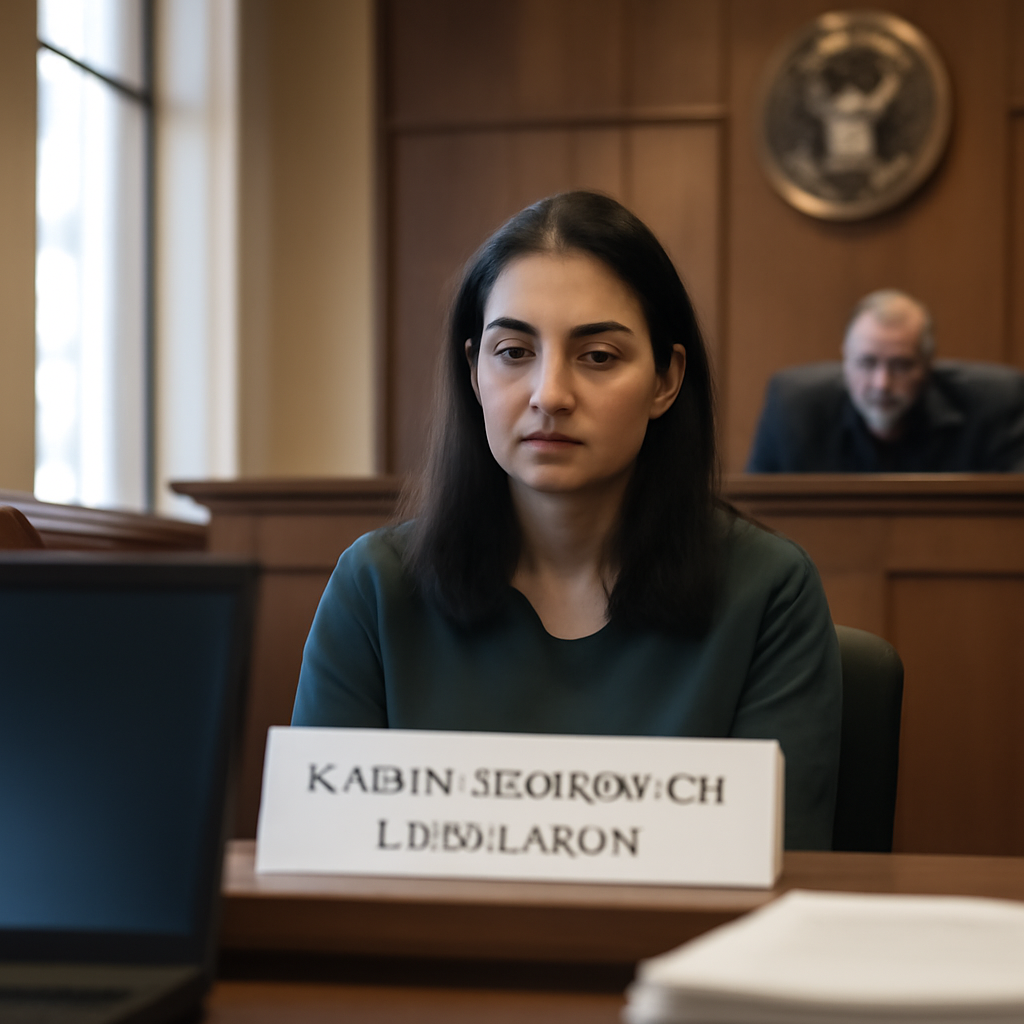
Karen Serobovich Vardanyan's guilty plea in Portland
Karen Serobovich Vardanyan, a 34‑year‑old Armenian national extradited from Ukraine, pleaded guilty on July 8 in federal court in Portland to conspiracy and computer fraud. The Department of Justice said the charged conduct ran from November 2019 through April 2020 and involved illegal access to U.S. organizations to install Ryuk ransomware. As part of his plea agreement, Vardanyan has agreed to pay more than $1.1m in restitution.
Allegations of the Ryuk campaign and financial scale
The DoJ's account, as reported, alleges that Vardanyan and co‑conspirators hacked and deployed ransomware on hundreds of compromised servers and workstations during that period and received approximately 1,610 bitcoins in ransom payments, which was valued at over $15m at the time the payments were made. One individual breach cited in the filing involved a Michigan company that paid 200 bitcoin — described as "over $1.1m at the time" — to restore network access.

The cyber insurance questionnaire just landed. Now what?
SOC 2, HIPAA, insurance renewals - someone has to own security strategy. Nubivance provides fractional CISO leadership without the full-time salary.
Get a security leadNamed victims and specific incidents
In addition to the Michigan firm, the DoJ alleged that Vardanyan was involved in intrusions of a company in Wilsonville, Oregon, and a school in Texas. The source material lists these as among the U.S. organizations whose systems were illegally accessed and on which Ryuk was installed.
Potential penalties Vardanyan faces
Under the plea framework reported, Vardanyan faces statutory maximums that remain steep: up to five years in prison (and a $250,000 fine) on the conspiracy count, and up to 10 years in prison (and another $250,000 fine) on the computer fraud count. The restitution agreement for more than $1.1m accompanies the guilty plea but does not eliminate exposure to the potential custodial sentences and fines laid out in the charging documents.
Ryuk's place in the ransomware ecosystem
The account situates Ryuk as "one of the most prolific ransomware groups" during its active period from 2018 to 2020. Victims named by the reporting include U.S. defense contractors, hospitals, IT service providers and entities across many other sectors. The French services giant Sopra Steria is singled out for suffering a loss of roughly $60m in one of the attack's most expensive incidents. According to the source, Ryuk disbanded in 2020 and many members are believed to have migrated to the Conti group, which then shut down two years later following a massive leak of internal data and chats.
What this means for technologists, policymakers, and affected enterprises
- Technologists and security teams: The DoJ's description that the group deployed ransomware on "hundreds of compromised servers and workstations" highlights the scale of lateral movement and persistence alleged in these cases; teams responsible for network segmentation, monitoring and rapid incident response will view the Vardanyan plea as further evidence of the value investigators place on tracing initial access and ransom flows.
- Policymakers and regulators: The extradition from Ukraine and the successful prosecution noted in Portland, together with a cited March sentencing of an initial access broker to 81 months for attacks that cost victims over $9m, signal increased cross‑border enforcement activity that policymakers can point to when evaluating international cooperation on cybercrime.
- Affected enterprises (defense contractors, hospitals, IT service providers): High‑value incidents such as the Sopra Steria breach — reported as about $60m — and the Michigan firm's 200‑bitcoin payment underline both the direct financial impacts and the operational disruption that the DoJ says Ryuk caused across sectors.
The guilty plea by an extradited suspect marks a concrete prosecutorial result against operators tied to one of the most notorious ransomware campaigns of recent years. Whether the restitution and the maximum statutory penalties will translate into lengthy prison terms remains to be determined in court, but the case joins a series of U.S. actions the source describes as evidence that investigators are increasingly able to reach and prosecute actors who once operated largely beyond Western reach.