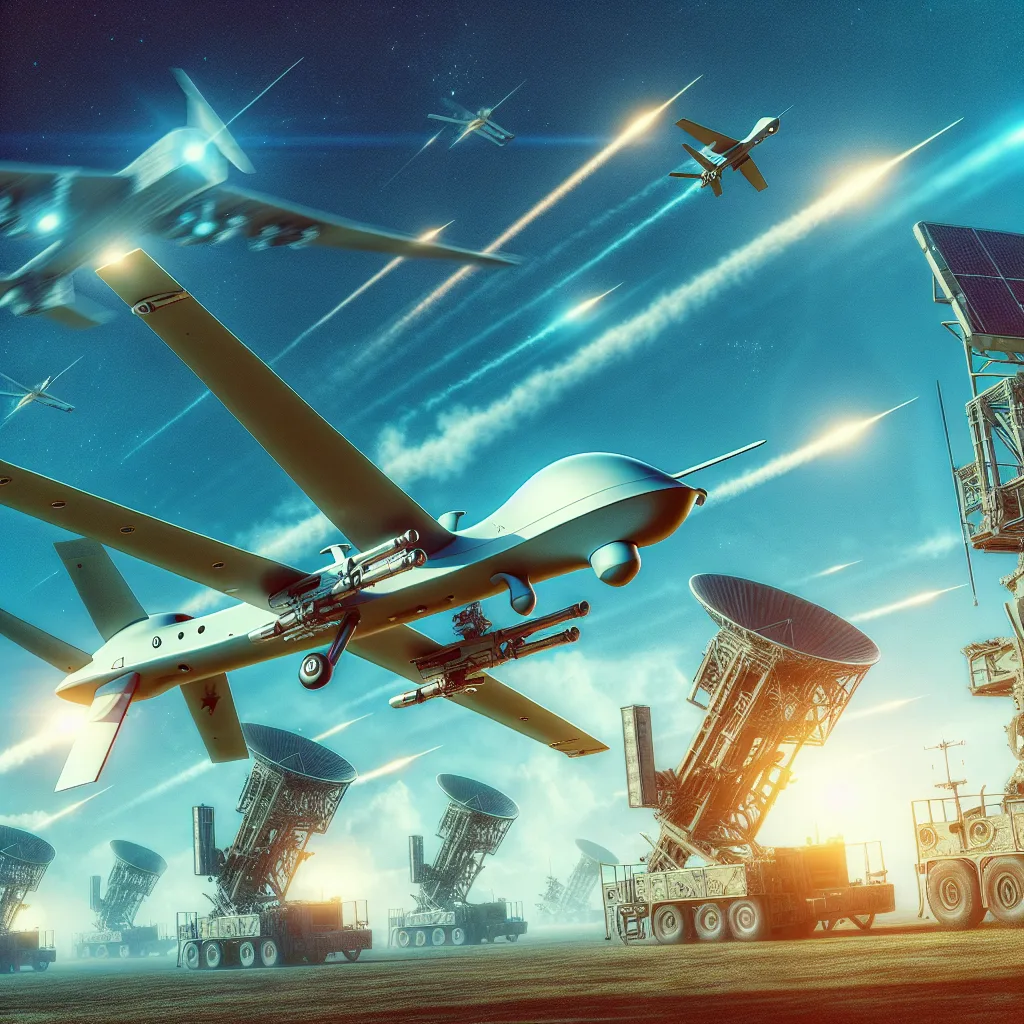
Russia’s Evolving Drone Warfare: A New Era of Precision Strikes
In the ongoing conflict between Russia and Ukraine, a significant shift in tactics has emerged, one that poses a formidable challenge to Ukraine’s air defenses. As Russian forces adapt their strategies, the introduction of larger formations and high-altitude approaches in drone strikes has raised the stakes for both military and civilian safety. How are these changes reshaping the battlefield, and what implications do they hold for the future of warfare?
Historically, drone warfare has been a game-changer in modern conflicts, offering nations the ability to conduct precision strikes with minimal risk to personnel. The use of unmanned aerial vehicles (UAVs) has evolved dramatically since their inception, with various countries developing unique capabilities tailored to their strategic needs. In the case of Russia, the Shahed-136 drones, originally designed by Iran, have become a cornerstone of their aerial assault strategy against Ukraine. These drones, often referred to as “kamikaze” drones due to their one-way mission profile, have been deployed in increasing numbers, demonstrating a troubling evolution in their operational use.
Currently, Russian forces have intensified their drone operations, particularly targeting major urban centers in Ukraine. Reports indicate that these strikes are not only more frequent but also more sophisticated, with formations of drones flying at higher altitudes before executing steep dive attacks. This tactical adjustment appears to be a deliberate effort to exploit vulnerabilities in Ukraine’s air defense systems, which have been under constant strain since the onset of the conflict. The Ukrainian military has acknowledged the challenges posed by these new tactics, as intercepting drones that approach from above requires different strategies and resources.
The implications of this shift are profound. As Russia adapts its drone warfare strategy, the pressure on Ukraine’s air defenses increases, potentially leading to a depletion of missile interceptor supplies. This could result in a cascading effect, where the inability to effectively counter drone strikes may embolden further Russian aggression. Moreover, the psychological impact on the civilian population cannot be understated; the fear of drone strikes in urban areas creates an atmosphere of uncertainty and anxiety, complicating daily life and undermining public morale.
Experts in military strategy suggest that this evolution in drone warfare reflects a broader trend in modern conflicts, where technology plays a pivotal role in shaping outcomes. According to Dr. Michael Kofman, a noted military analyst, “The use of drones in this manner not only enhances the lethality of strikes but also complicates the adversary’s response options. It forces a reevaluation of air defense strategies and resource allocation.” This perspective underscores the need for Ukraine to innovate and adapt its defense mechanisms in response to these evolving threats.
Looking ahead, several key developments warrant close attention. First, the international community’s response to Russia’s drone tactics will be crucial. Increased military support for Ukraine, including advanced air defense systems, could alter the balance of power in the region. Additionally, the potential for further technological advancements in drone warfare may lead to an arms race, as both sides seek to outmaneuver each other in this new domain of conflict.
As the situation unfolds, one must consider the broader implications of this tactical shift. What does it mean for the future of warfare when drones can outsmart traditional air defenses? The answer may lie in the ongoing evolution of military strategy, where adaptability and innovation become the defining characteristics of success on the battlefield. In this new era of warfare, the stakes are higher than ever, and the human cost remains a poignant reminder of the conflict’s tragic reality.