Security Intelligence Briefing: LockBit Targets Fortinet Firewalls in Ransomware Surge
Introduction
In recent months, cybersecurity researchers have observed a significant uptick in ransomware attacks, particularly those linked to the LockBit group. This briefing focuses on the implications of these attacks, especially concerning Fortinet firewalls, which have become a primary target. The analysis will cover the security landscape, economic impacts, and the broader implications of these cyber threats.
Overview of LockBit Ransomware
LockBit is a ransomware-as-a-service (RaaS) operation that has gained notoriety for its sophisticated tactics and rapid deployment. Initially surfacing in 2019, LockBit has evolved, leveraging advanced encryption methods and a robust affiliate model that allows other cybercriminals to utilize its infrastructure for a share of the ransom. The group is known for its speed in executing attacks, often encrypting data within minutes of gaining access to a network.
Recent Developments
Since January 2023, researchers have tracked a series of intrusions attributed to a new ransomware group suspected to have ties to LockBit. This surge in activity has raised alarms within the cybersecurity community, particularly as organizations are reminded of the critical importance of timely patching and vulnerability management.
Targeting Fortinet Firewalls
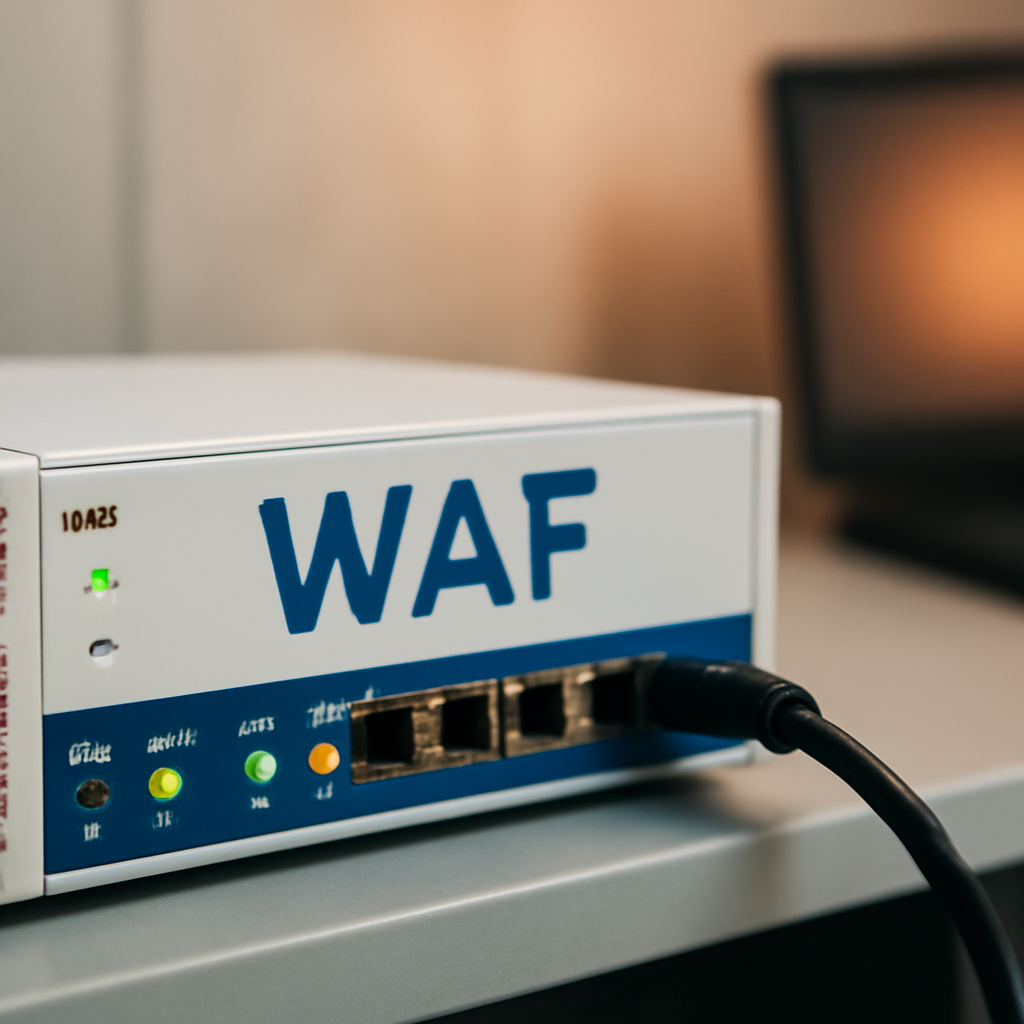
Fortinet firewalls, widely used for network security, have been identified as a key target in these recent ransomware campaigns. The implications of this targeting are significant:
- Vulnerability Exploitation: Cybercriminals are exploiting known vulnerabilities in Fortinet products, particularly those that have not been patched. The urgency for organizations to apply security updates cannot be overstated, as failure to do so can lead to severe breaches.
- Access to Sensitive Data: By compromising Fortinet firewalls, attackers can gain access to sensitive organizational data, potentially leading to data theft, extortion, and reputational damage.
- Increased Attack Surface: As remote work continues to be prevalent, the attack surface for organizations has expanded, making it easier for ransomware groups to infiltrate networks through unsecured firewalls.
Security Implications
The targeting of Fortinet firewalls by ransomware groups like LockBit presents several security implications:
- Need for Proactive Security Measures: Organizations must adopt a proactive approach to cybersecurity, including regular patching, employee training, and incident response planning.
- Collaboration with Cybersecurity Agencies: Engaging with cybersecurity agencies and sharing threat intelligence can enhance an organization’s defense against ransomware attacks.
- Investment in Advanced Security Solutions: Companies should consider investing in advanced security solutions that offer real-time monitoring and threat detection capabilities.
Economic Impact
The economic ramifications of ransomware attacks are profound. According to recent studies, the global cost of ransomware is projected to reach billions annually, affecting businesses of all sizes. The financial impact includes:
- Ransom Payments: Organizations may face significant financial losses due to ransom payments, which can range from thousands to millions of dollars.
- Operational Downtime: The downtime caused by ransomware attacks can lead to lost revenue and decreased productivity, further straining financial resources.
- Reputational Damage: Companies that fall victim to ransomware attacks may suffer long-term reputational damage, affecting customer trust and future business opportunities.
Technological Factors
The technological landscape is continuously evolving, and so are the tactics employed by ransomware groups. Key technological factors include:
- Advancements in Encryption: Ransomware groups are utilizing advanced encryption techniques that make it increasingly difficult for victims to recover their data without paying the ransom.
- Use of Ransomware-as-a-Service (RaaS): The RaaS model allows less technically skilled criminals to launch sophisticated attacks, increasing the overall threat landscape.
- Integration of AI and Machine Learning: Some ransomware groups are beginning to incorporate AI and machine learning to enhance their attack strategies, making them more effective and harder to detect.
Historical Context
Historically, ransomware attacks have evolved from simple encryption schemes to complex operations involving data exfiltration and double extortion tactics. The rise of groups like LockBit reflects a broader trend in cybercrime where organized groups leverage technology to maximize their impact. Previous incidents, such as the Colonial Pipeline attack in 2021, have demonstrated the potential for ransomware to disrupt critical infrastructure and provoke national security concerns.
Conclusion
The rise of LockBit and its targeting of Fortinet firewalls underscores the urgent need for organizations to prioritize cybersecurity. As ransomware attacks become more sophisticated, the implications extend beyond individual companies to the broader economic and technological landscape. Proactive measures, collaboration with cybersecurity agencies, and investment in advanced security solutions are essential to mitigate the risks posed by these evolving threats.