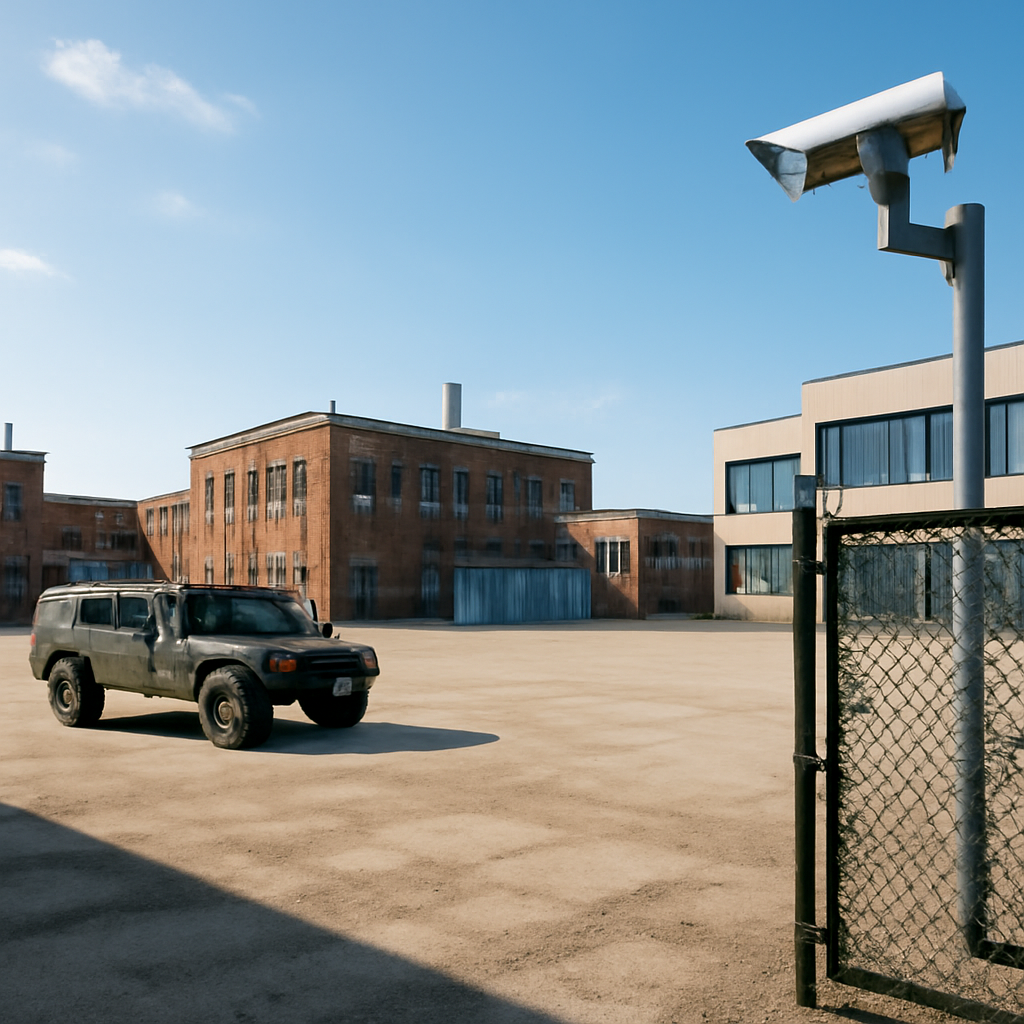
“through this Statement of Intent, we are opening up a genuine future perspective for Volkswagen’s Osnabrück site… The Statement of Intent forms part of a broader strategic realignment of the Osnabrück site, which is also supported by Volkswagen AG,” Olaf Lies, Minister‑President of Lower Saxony, said in the state’s announcement of a new partnership on Tuesday.
Deal structure: Volkswagen, Aurelius Capital, and Lower Saxony
Volkswagen AG has agreed to sell the Volkswagen Osnabrück GmbH site to a new partnership formed by Aurelius Capital and the state of Lower Saxony, with Aurelius the majority partner. The partners said they will create “a center of excellence for security and defense solutions,” and framed the purchase as a move to “secure the location and the majority of its jobs in the long term.” The transaction is presented as a workaround to expectations that Rafael might directly team with or buy from Volkswagen; instead the new owner partnership will host Rafael as an industrial tenant and collaborator.
Rafael’s stated role and industrial intent
The Israeli defense firm Rafael signed an agreement with the Aurelius‑Lower Saxony partnership to use Osnabrück “as a hub to produce its systems,” according to the statements circulated by the parties. Rafael’s CEO and president, Yoav Tourgeman, framed the arrangement in national terms: “We are building a long-term industrial relationship with our German partners with the idea that the technology will be fully produced in Germany, to protect Germany and Europe.”
The specific Rafael systems that might be manufactured at Osnabrück were not named. Reports circulating since May had suggested Rafael could play a role at the Volkswagen plant and that parts for the Iron Dome system were a possible product line; those expectations have appeared uneven, and the sale‑and‑host arrangement emerged as the practical path forward.

Audit-ready is a season. It shouldn't be.
Evidence in spreadsheets, controls drifting between audits, frameworks multiplying on flat headcount. Nubivance runs continuous compliance on Rapid7 Cyber GRC - SOC 2, HIPAA, ISO 27001, PCI, CMMC.
End the scrambleOsnabrück’s industrial and workforce stakes
The Osnabrück facility has faced an uncertain future for several years: Volkswagen had said it planned to end production there in 2027, prompting regional authorities and industry figures to seek alternatives. The Lower Saxony statement emphasized both the site’s industrial tradition—“a location that has stood for industrial excellence for 125 years”—and the aim of preserving high‑skilled, long‑term employment. NDR, the north German public broadcaster, reported union leaders praising the agreement for saving the workforce.
Context: Germany and European defence procurement
The partnership comes amid a broader push by Germany and other European countries to expand their defence industrial base after several years of war in Ukraine, according to the reporting. That effort has included a series of large defence deals with Israel: Germany is acquiring the Arrow Air Defense system for more than $6 billion, and Greece signed a $3.4 billion deal with Israel for air defence systems in late August. Rafael itself has an existing footprint in Germany, including a partnership for a EuroTrophy GmbH facility and sales of the EuroSpike system.
What this means for Lower Saxony, Volkswagen, Aurelius, and Rafael
- Lower Saxony: The state government has framed the move as strategic realignment to preserve jobs and industrial capacity; the statement said the State of Lower Saxony “will actively accompany and support” the next phase of work.
- Volkswagen AG: Volkswagen has agreed to sell the Osnabrück site and signaled support for the Statement of Intent, effectively stepping back from direct production at the facility while aiming to secure local employment outcomes.
- Aurelius Capital: As majority partner in the new ownership structure, Aurelius is positioned to lead site redevelopment and to attract defence production work, with an explicit objective to keep the site operational and preserve jobs.
- Rafael: The firm gains access to a European manufacturing hub and has publicly signalled intent to localize production in Germany. Rafael’s leadership previously told Breaking Defense in July it was looking at car manufacturing facilities as potential collaboration sites in Europe.
Next steps, regulatory checks, and remaining questions
The parties described the agreement as a Statement of Intent that sets the framework for further work; the next phase will include “detailed negotiations, assessments of regulatory requirements, and the necessary internal decision‑making processes by all parties involved.” That timetable leaves several open, concrete questions: which Rafael systems, if any, will be chosen for production at Osnabrück; what regulatory approvals will be required in Germany and the EU; and how quickly the partners can convert the former car‑assembly infrastructure into a defence manufacturing hub.
The arrangement moves a long‑standing local uncertainty toward a defined path: a sale, a partnership, and a signed intent to use Osnabrück for defence production. Whether that path results in new production lines, the full localization of technology “to protect Germany and Europe,” or only partial reuse of the site will be decided in the detailed negotiations now under way.