"Quantum Systems drones back in the air after malware scare."
Quantum Systems — flight operations resumed
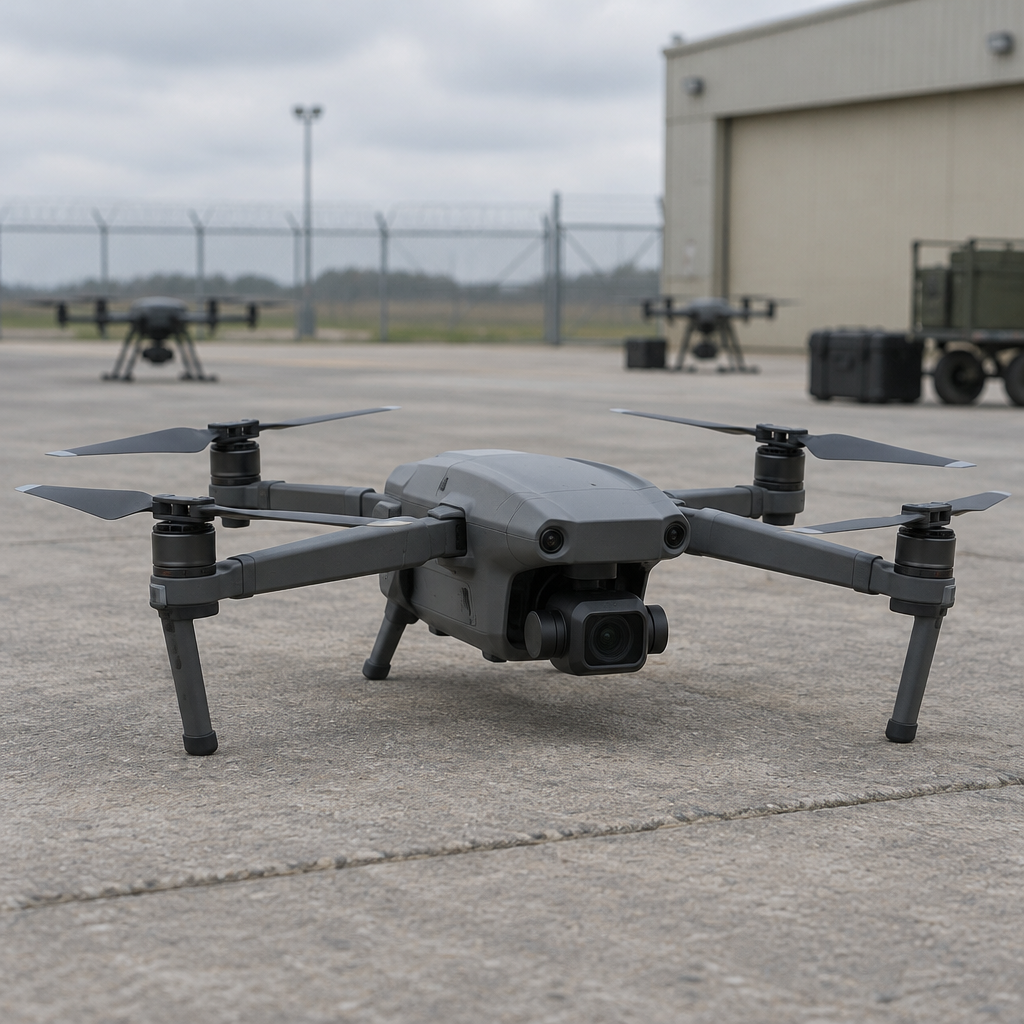
Quantum Systems' drone fleet has returned to flight after what the original report describes as a "malware scare." The phrasing in the report indicates the scare was sufficient to interrupt operations, and that those operations have since been restored.
What the incident signals about operational risk
A malware-related event that pauses drone operations is, by definition, an operational-security intersection: it poses immediate risks to availability, mission completion and any dependent logistics or surveillance tasks. That risk was realized here long enough for a public notice to be issued and for the company to take whatever steps were necessary to get aircraft "back in the air."

Audit-ready is a season. It shouldn't be.
Evidence in spreadsheets, controls drifting between audits, frameworks multiplying on flat headcount. Nubivance runs continuous compliance on Rapid7 Cyber GRC - SOC 2, HIPAA, ISO 27001, PCI, CMMC.
End the scrambleVendor accountability and remediation expectations
When vendor hardware or software is tied to a malware incident, customers and regulators typically look for tangible remediation steps, attestations of integrity, and evidence that the root cause has been addressed. The report's headline asserts a return to flight but does not enumerate what technical or procedural actions accompanied that return; what is public is the sequence — scare, interruption, resumption — not the specific fixes or mitigations applied.
How technologists, procurement leaders, and regulators are likely to respond
- Technologists and security teams: Teams responsible for deploying or operating drones will most likely demand forensic detail, verifiable firmware/software integrity checks, and repeatable incident-response playbooks before accepting the system back into operational use. The observable fact in this case — a malware scare followed by resumed flights — will be evaluated against available forensic artifacts and vendor-provided evidence.
- Procurement and enterprise customers: Buyers that rely on drone platforms for business or critical operations typically expect added contractual assurances after an incident. Given the reported interruption and subsequent resumption of flight, procurement leaders will seek written remediation commitments, service-level clarifications, and acceptance criteria for returning systems to service.
- Regulators and public-safety agencies: Agencies charged with oversight of airspace safety and critical infrastructure will take notice of incidents that interrupt drone operations for malware concerns. The sequence reported here — scare, interruption, resumption — is the kind of event that invites questions about disclosure, incident timelines, and whether any operational restrictions should be reintroduced until audits are complete.
Why this matters beyond a single vendor
A single vendor's temporary grounding and restart is both a contained event and a broader signal. It highlights how software and firmware integrity now sit at the center of aviation-adjacent safety, not only in manned aviation but also across unmanned platforms. The bare facts in the report — malware scare, operational pause, return to flight — underscore that disruption can be swift and that restoration can be presented as equally swift. What remains to be seen, however, is how restoration was accomplished and whether the measures taken will prevent recurrence.
Quantum Systems' quick return to airborne operations closes a visible episode, but it also leaves open the deeper, technical questions that naturally follow any malware scare: what was infected, how widespread was the exposure, and what assurances are in place to keep operators and airspace safe going forward. The original item reporting the sequence is available here: https://www.theregister.com/security/2026/11/13/quantum_systems_drones_back_in_the_air_after_malware_scare/5309658.