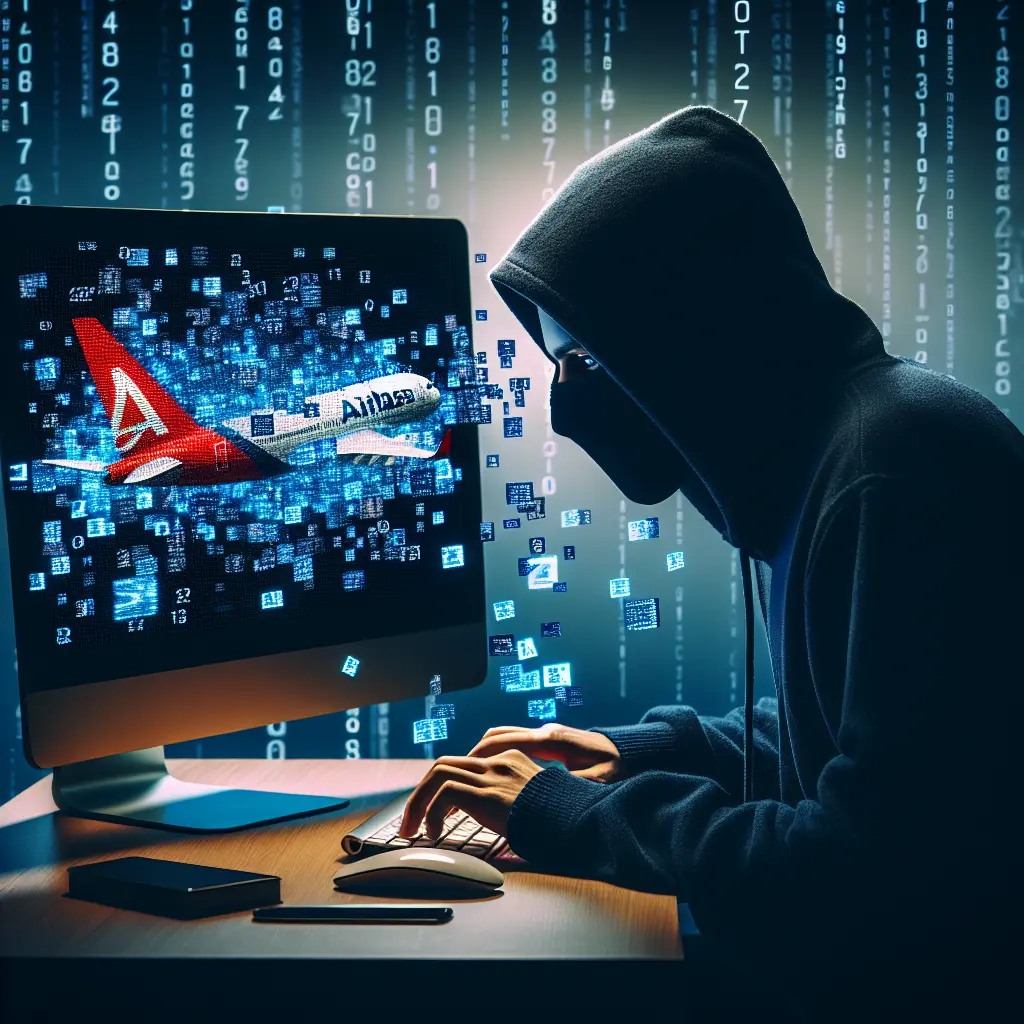
Qantas Faces New Threat Amidst Data Breach Fallout
In the wake of a significant data breach, Qantas Airways has found itself in the crosshairs of a potential cybercriminal. The airline recently disclosed that it has been contacted by an individual claiming to be behind the cyber incident that exposed the personal information of millions of customers. As Qantas works to validate this contact, law enforcement agencies have been notified, raising alarms about the safety and security of sensitive customer data.
The incident marks a troubling chapter in a series of high-profile breaches affecting large corporations around the world. Qantas, Australia’s largest airline, announced in early October 2023 that hackers gained unauthorized access to its systems, compromising personal details including names, addresses, and passport information for approximately 9 million passengers. In a digital landscape marked by evolving threats, such breaches can erode public trust and threaten national security.
The history of cybersecurity incidents is replete with examples where initial breaches led to even greater consequences. In 2017, Equifax’s data breach exposed sensitive information of about 147 million Americans, resulting in significant legal repercussions and millions of dollars spent on remediation. Similarly, the fallout from breaches at organizations like Target and Sony has highlighted the vulnerabilities of even the most established companies.
Currently, Qantas is navigating a challenging situation. The airline released an official statement confirming it is in the process of validating claims made by the individual who reached out regarding the breach. “We take these matters seriously and are working with experts to assess the situation,” said Qantas’ Chief Information Security Officer in a press briefing. The potential implications for Qantas extend beyond immediate reputational damage; they may result in regulatory scrutiny as well as financial liabilities if customer information is further compromised or exploited.
The stakes are high not only for Qantas but also for its passengers whose trust in the airline is critical for its business model. With concerns over privacy and data protection becoming increasingly paramount in today’s digital economy, incidents like this could deter customers from engaging with airlines or sharing their personal information online. Moreover, if sensitive data is misused or sold on dark web forums—common practice among cybercriminals—the consequences could reach far beyond individual customers to impact national security interests.
Experts suggest that organizations must adopt a proactive stance towards cybersecurity rather than merely reactive responses to threats. Adrian Sanabria, a cybersecurity analyst at ThreatVectors, notes that “companies must understand not just how breaches happen but also how to build resilience against them.” This requires investments not only in technology but also in training staff to recognize threats and respond effectively.
Looking ahead, several scenarios may unfold depending on how Qantas handles this latest communication. If it turns out that the contact is legitimate and leads to further extortion attempts or exposure of data, stakeholders could demand greater transparency from Qantas regarding their cybersecurity practices. Conversely, if it’s determined that this was a false alarm or a hoax, there may still be lingering doubts about how effectively Qantas can safeguard its systems against future attacks.
The ongoing developments present crucial questions: How prepared are companies like Qantas for evolving cyber threats? What does it mean for consumers who increasingly rely on digital services? As we witness an era where data has become a key asset—and vulnerability—it will be essential to monitor how organizations respond to these ever-looming threats.
This incident serves as a stark reminder that cybersecurity is not merely an IT concern; it’s integral to maintaining public confidence in critical services. The question remains—can companies like Qantas rebuild trust once it has been compromised? Only time will reveal the answers as both customers and corporate leaders navigate this precarious digital landscape.



