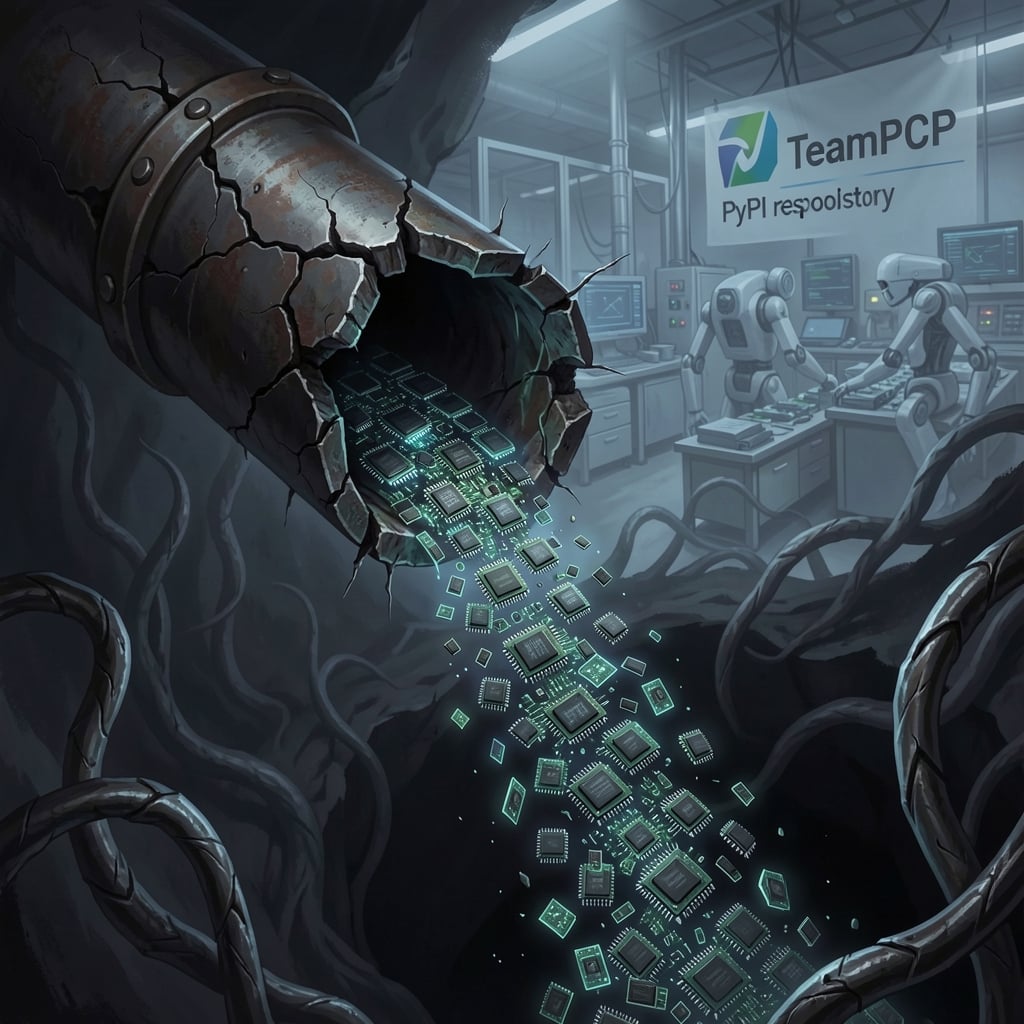
In the ever-evolving landscape of cybersecurity, a new threat has emerged, leaving developers and users alike to ponder a pressing question: Can we trust the software we download? The latest software supply chain attack, uncovered by cybersecurity firms Socket and Endor Labs, has brought this dilemma to the forefront. A campaign by a threat actor group known as TeamPCP has been targeting a popular package on PyPI, the Python Package Index, leading to the delivery of credential-stealing malware.
The attack, which has been attributed to TeamPCP, involves a malicious package on PyPI called "Telnyx." At first glance, Telnyx appears to be a legitimate package, providing a Python interface to the Telnyx API, a cloud communication platform. However, upon closer inspection, researchers discovered that the package contained hidden malware designed to steal sensitive credentials from infected systems.
This latest attack is not an isolated incident. Software supply chain attacks have become increasingly common, with high-profile breaches like the 2020 SolarWinds hack and the 2017 Equifax breach serving as stark reminders of the risks. As Dr. Martin Weiss, a cybersecurity expert at the SANS Institute, notes, "Software supply chain attacks are a ticking time bomb. The more we rely on software, the more we become vulnerable to these types of attacks."
So, how did TeamPCP manage to infiltrate the PyPI ecosystem? According to researchers at Socket and Endor Labs, the attackers used a technique called "dependency confusion" to trick users into downloading the malicious package. By creating a package with a similar name to a legitimate one, TeamPCP was able to siphon off users who were looking for the authentic Telnyx package.
The implications of this attack are far-reaching. For developers, it highlights the need for greater vigilance when selecting software packages. As Chris Voss, a cybersecurity expert and former NSA official, warns, "Developers need to be aware that even the most seemingly innocuous packages can contain hidden threats. It's essential to implement robust security measures, such as code reviews and dependency checks, to mitigate these risks."
For policymakers, this attack underscores the need for more stringent regulations and standards around software development and distribution. As Senator Mark Warner (D-VA) notes, "The software supply chain is a critical component of our national security. We need to take a more proactive approach to securing it, through a combination of regulation, education, and investment in cybersecurity research and development."
For users, this attack serves as a reminder of the importance of staying informed about the software they use. As security expert and advocate, Bruce Schneier, advises, "Users need to be aware that software is not always what it seems. It's essential to stay up-to-date with the latest security patches, use reputable sources for software downloads, and be cautious when providing sensitive information online."
The TeamPCP campaign against the Telnyx package on PyPI is a stark reminder of the evolving threat landscape. As we continue to rely on software to power our digital lives, we must also acknowledge the risks and take proactive steps to mitigate them. The question remains: Can we trust the software we download? The answer, for now, is a resounding "maybe." But with greater awareness, education, and investment in cybersecurity, we can work towards a future where the answer is a more confident "yes."
In conclusion, the software supply chain is a complex and vulnerable ecosystem. As we move forward, it's essential to consider the perspectives of technologists, policymakers, users, and adversaries. By working together, we can build a more secure and resilient software ecosystem.
- Socket and Endor Labs discovered a new TeamPCP campaign leading to the delivery of credential-stealing malware
- The campaign targeted a popular package on PyPI, called "Telnyx"
- The attack used a technique called "dependency confusion" to trick users into downloading the malicious package
- The implications of this attack are far-reaching, highlighting the need for greater vigilance among developers, more stringent regulations, and increased awareness among users
https://www.infosecurity-magazine.com/news/teampcp-targets-telnyx-pypi-package/