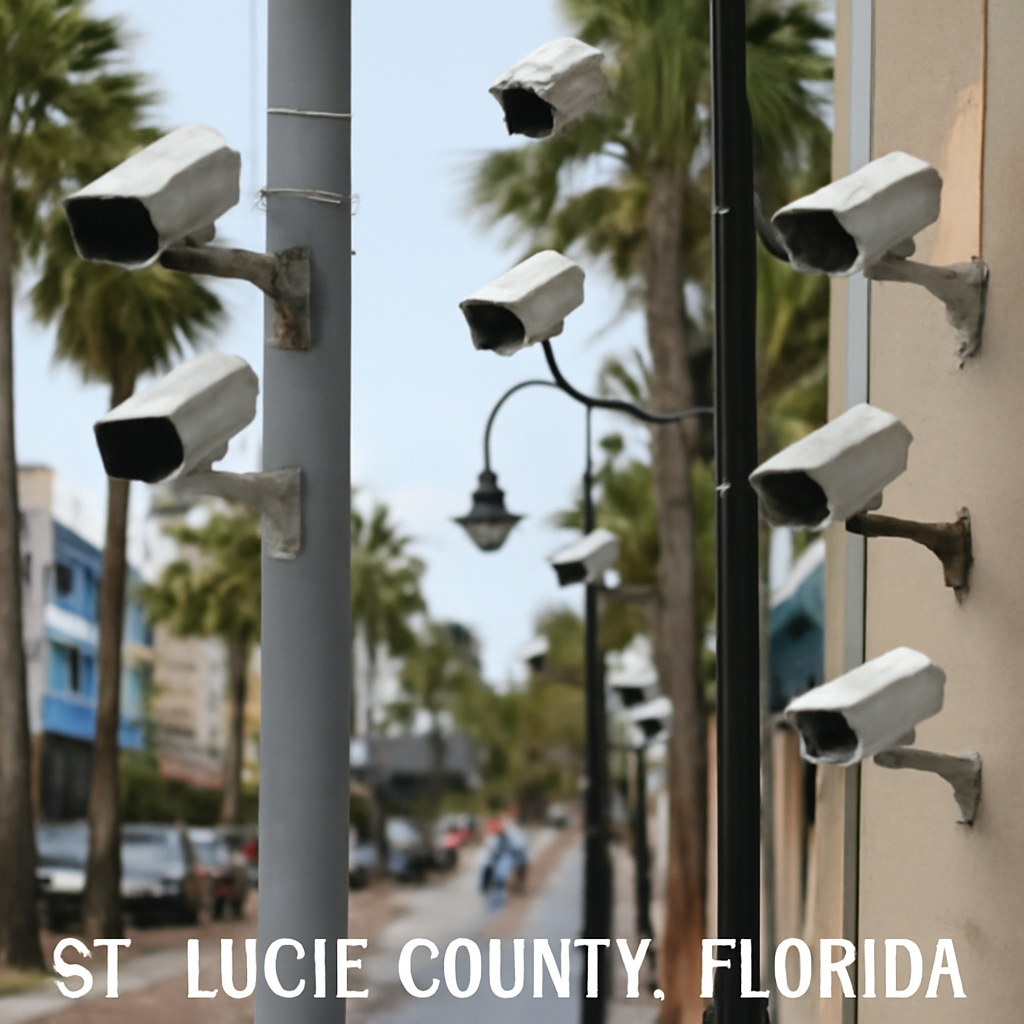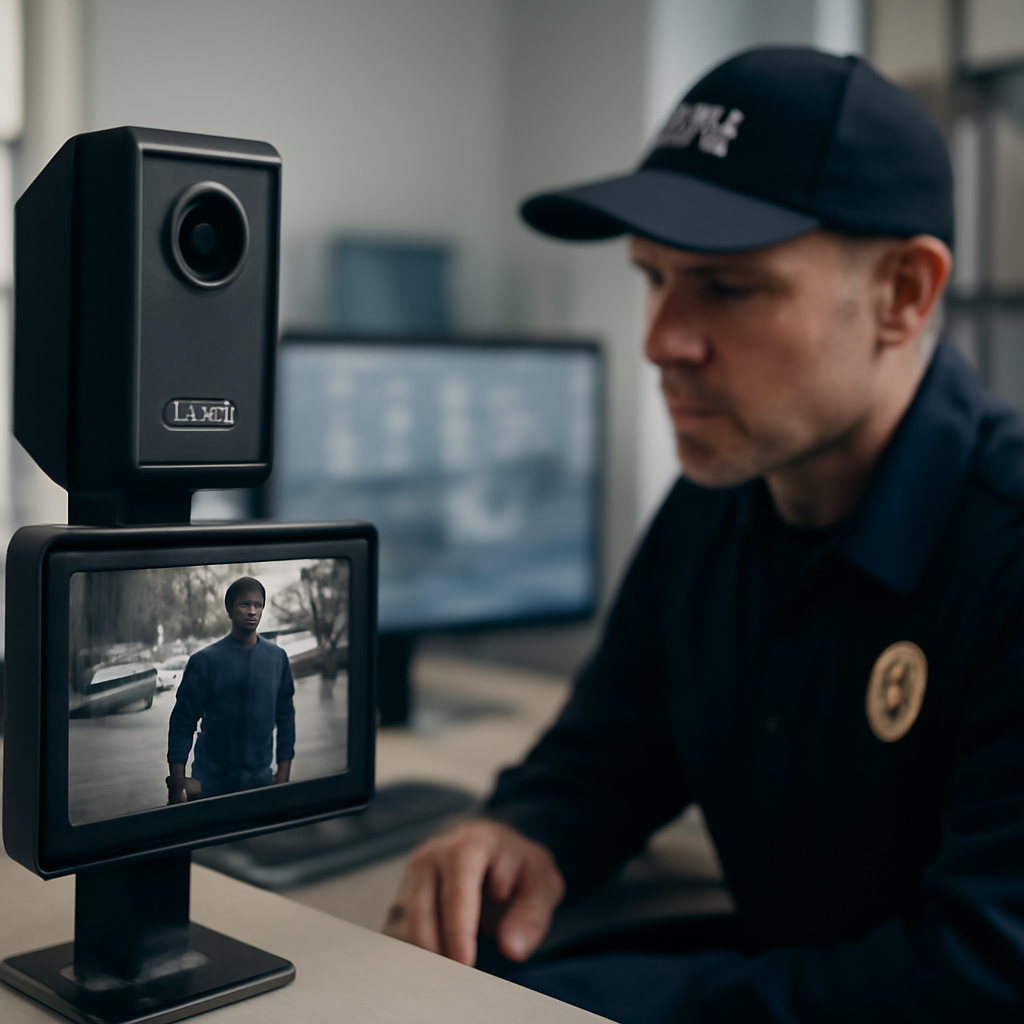
“There are over a dozen cases around the country where police officers are using the Flock surveillance camera system to obsessively and illegally stalk people.”
Scope: Over a dozen cases nationwide
The sole factual claim documented in the source is direct and stark: more than a dozen separate cases, spread around the country, involve police officers who used the Flock surveillance camera system in ways described as obsessive and illegal. The language in the source does not provide dates, city names, court filings, or other identifying details; it presents the number and the characterization of the conduct as its central report.
Actor: Police officers and the Flock surveillance camera system
The incident as reported names two concrete elements: the actors doing the tracking — police officers — and the tool being used — the Flock surveillance camera system. The source frames the relationship between those elements as one in which law enforcement personnel have applied the capabilities of the Flock system for persistent surveillance directed at specific people.

Audit-ready is a season. It shouldn't be.
Evidence in spreadsheets, controls drifting between audits, frameworks multiplying on flat headcount. Nubivance runs continuous compliance on Rapid7 Cyber GRC - SOC 2, HIPAA, ISO 27001, PCI, CMMC.
End the scramblePattern described: obsessive and illegal stalking
The source characterizes the conduct in each of the documented cases with two descriptors: “obsessively” and “illegally.” Those words carry both behavioral and legal weight. “Obsessively” signals repeated, sustained targeting of people rather than casual or incidental use; “illegally” asserts that the activity crosses a legal threshold. Beyond those descriptors, the source does not supply the statutes, charges, rulings, or investigative findings that underlie the legal characterization, nor does it provide facts about outcomes in individual cases.
What this means for technologists, policymakers, and the public
- Technologists and security teams: The reported pattern links a named commercial surveillance product — the Flock surveillance camera system — with repeated misuse by named actors (police officers). Teams responsible for deploying or maintaining camera systems will take note that the tool itself is being implicated in multiple reported incidents.
- Policymakers and regulators: The source documents a multi-jurisdictional pattern — “over a dozen cases around the country” — that is presented as involving illegal conduct. That concentration of reports will be of interest to those whose reviews or rulemaking cover law enforcement access to camera systems and related oversight.
- End users and the general public: The claim ties everyday surveillance infrastructure to reported, targeted misuse. For people living where camera systems operate, the source’s account raises questions about how such systems are used and by whom.
Photograph credit and provenance
The source includes a sidebar photograph credit: “Sidebar photo of Bruce Schneier by Joe MacInnis.” That explicit attribution anchors the item to a specific photographic source and names the photographer and subject used to illustrate the post.
The account in the source is concise and pointed: it documents a series of reported incidents in which police officers used a named surveillance system, characterizes the conduct as obsessive and illegal, and identifies the scale as “over a dozen” cases nationwide. The briefness of the published statement concentrates attention on the claim itself rather than on ancillary detail.
The reporting as presented leaves open several concrete follow-ups (jurisdictions involved, legal findings or charges, specifics of how the Flock system was used in each case, and responses from the supplier or law-enforcement agencies). The documented fact — repeated, geographically dispersed instances of alleged misuse of the Flock surveillance camera system by police officers — stands on its own as a subject that will demand further, detailed reporting and public records verification.