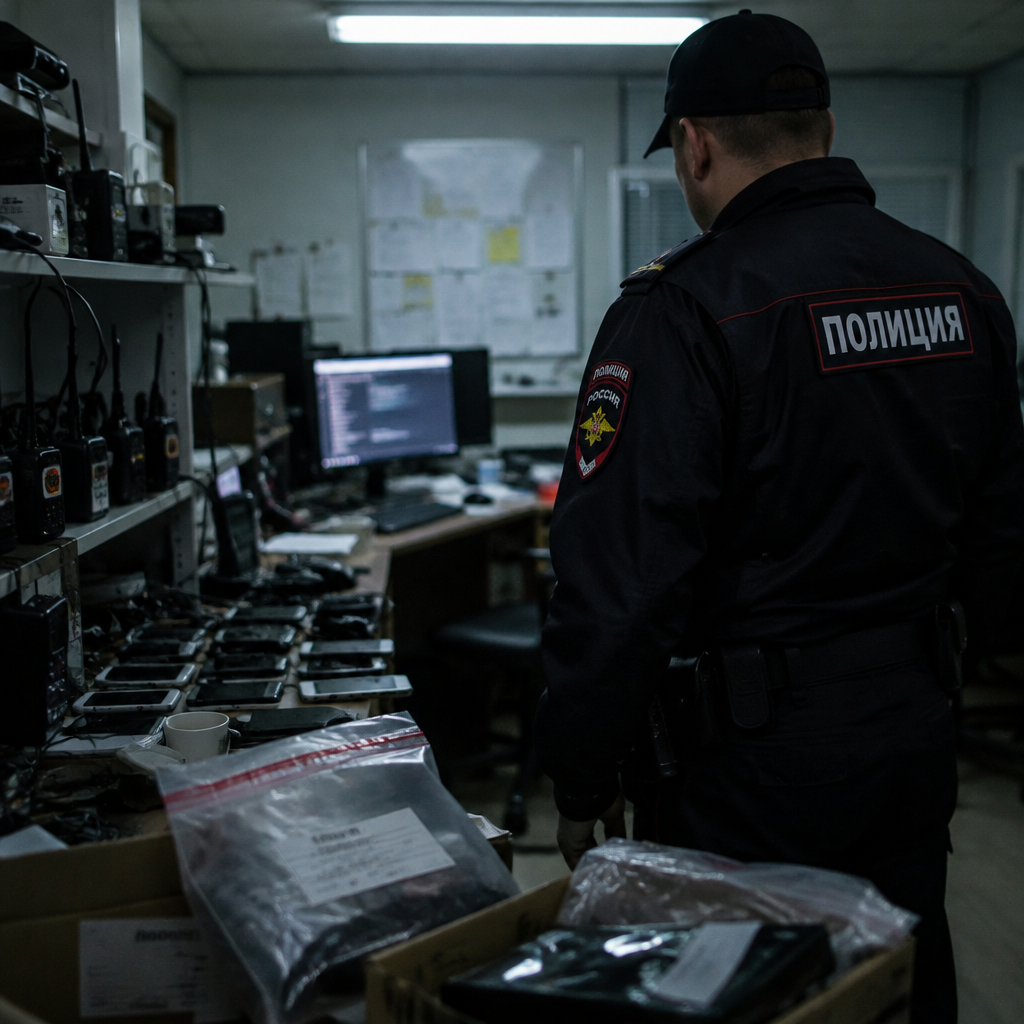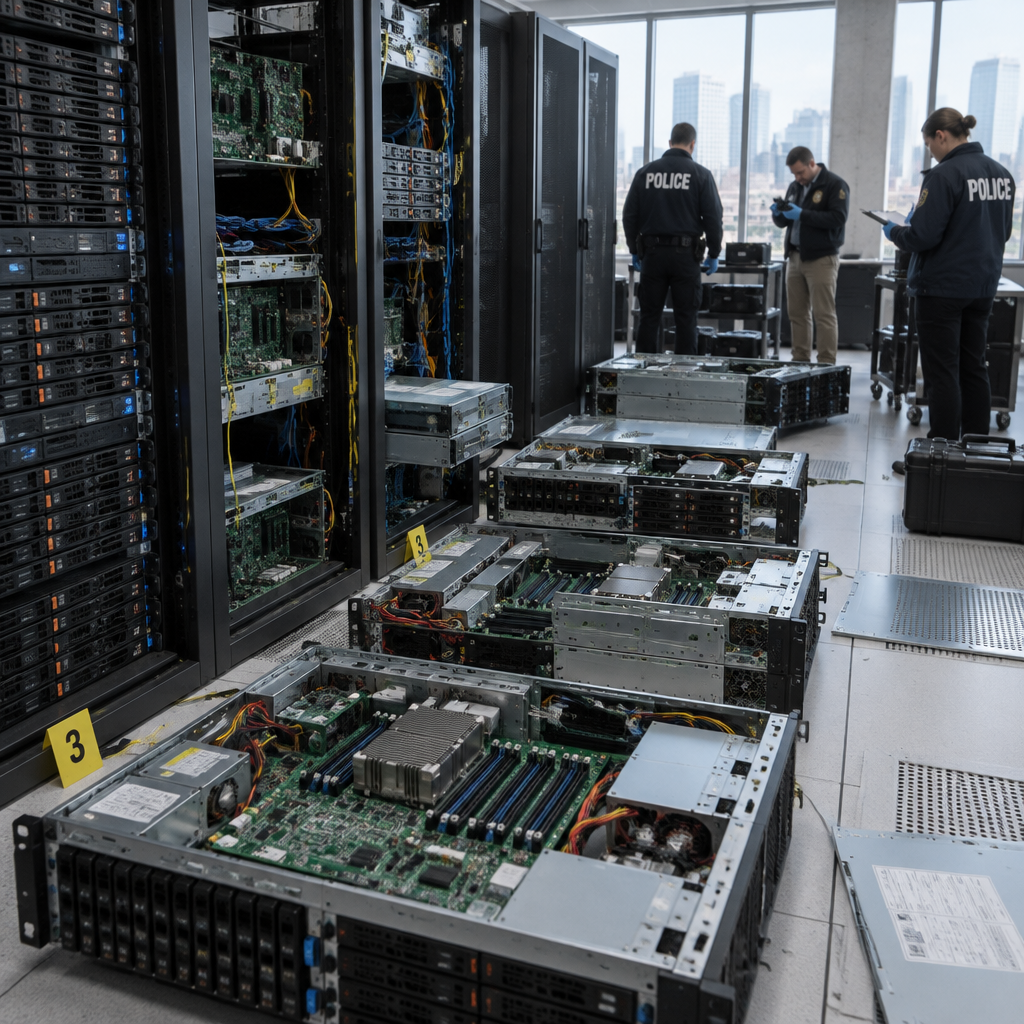
More than 100 servers were seized and several scam websites were shut down after an international action day led by the German Itzehoe Public Prosecutor's Office on 3 November, investigators said.
Itzehoe Public Prosecutor's Office-led action day (3 November)
The operation on Tuesday targeted a company believed to have hosted the fraudulent investment websites, according to the reporting. Police seized more than 100 servers and shuttered multiple sites. The single-day action also included searches at 17 locations, the seizure of additional evidence and assets, and the arrest of seven suspects who will be extradited to Germany.
How the investment scam operated, according to Europol
Europol said victims were first lured to the fraudulent websites by deceptive advertisements promising “huge gains with no downside.” After registering interest on those sites, victims’ personal data was passed by the hosting company to criminal groups running scam call centres. Scammers impersonated brokers and used social engineering to convince victims to transfer funds into fictitious investment accounts. Online accounts allegedly displayed illusory gains that encouraged victims to invest more, and when victims sought withdrawals the brokers employed delaying tactics before cutting contact and leaving the victims unable to recover their money, Europol stated.

This site is the portfolio.
OSINTSights runs on Cloudflare Workers, D1, R2, and Vectorize, with an AI pipeline on Hetzner ARM. Nubivance designed, built, and operates it. We do the same for clients.
See what we buildTransnational cooperation: Albania, Cyprus, Finland, Germany, Israel, Kosovo, and North Macedonia
The action day involved cooperation from authorities in Albania, Cyprus, Finland, Germany, Israel, Kosovo and North Macedonia, highlighting the cross-border character of the case. Europol has identified scam call centres in Albania, Kosovo and North Macedonia. The recent seizures build on an investigation that dates to 2022 and several previous international operations.
Four years of investigations and earlier action days
The case originated in 2022 when a German couple reported being unable to withdraw funds from an investment scheme. An action day on 6 September 2022 led to searches in Belgium and Latvia and the arrest of two suspects; evidence seized then helped investigators identify seven other network members, including call-centre managers. Another coordinated action on 13 May 2025 involved eight simultaneous searches in Albania, Cyprus and Israel, producing one arrest in Cyprus and further seizures of electronic devices, documents and cash. Police have emphasised that they are not claiming to have dismantled the network.
Victim impact and broader trends
Investigators estimate losses tied to this network exceed €4 million (about $4.5 million) and say potential victims may be in as many as 50 countries. Europol’s account aligns with broader trends: the FBI reported that investment fraud was the highest-grossing cybercrime type in 2025, generating nearly $8.7 billion for cybercriminals. European law-enforcement disclosures in recent years have included the disruption of an €89 million ring in 2023 and a financial crime organisation that made €15 million until its disruption in 2021.
What this means for technologists, policymakers, and potential victims
- Technologists and security teams: The seizure of over 100 servers tied to hosting of fraudulent sites underscores the role infrastructure providers and hosting companies can play — willingly or unwittingly — in the data flows that feed scam call centres. Teams responsible for hosting and platform operations will likely watch for cross-border abuse patterns and the routing of personal data from websites to telemarketing operations.
- Policymakers and prosecutors: The multi-country cooperation that produced arrests and server seizures illustrates the operational contours of transnational investigations — from simultaneous searches to extradition of suspects. Legal and diplomatic mechanisms between the listed countries were central to the action day and will shape follow-up steps.
- Potential victims and consumers: Europol’s description of the scheme — deceptive ads, impersonation of brokers, illusory account gains, and delaying tactics when withdrawals are requested — illustrates a familiar social-engineering playbook. The estimated €4 million loss and the claim of victims across as many as 50 countries highlight both the reach and the human cost of such operations.
The investigation now proceeds with the extradition of seven suspects to Germany and continued analysis of the seized servers, devices and documents. Police explicitly stopped short of declaring the network dismantled, leaving open whether further arrests, evidence disclosures or coordinated action days will follow as prosecutors prepare their next moves.
Source: Infosecurity Magazine — Police Seize 100+ Servers After Four-Year Investment Fraud Probe