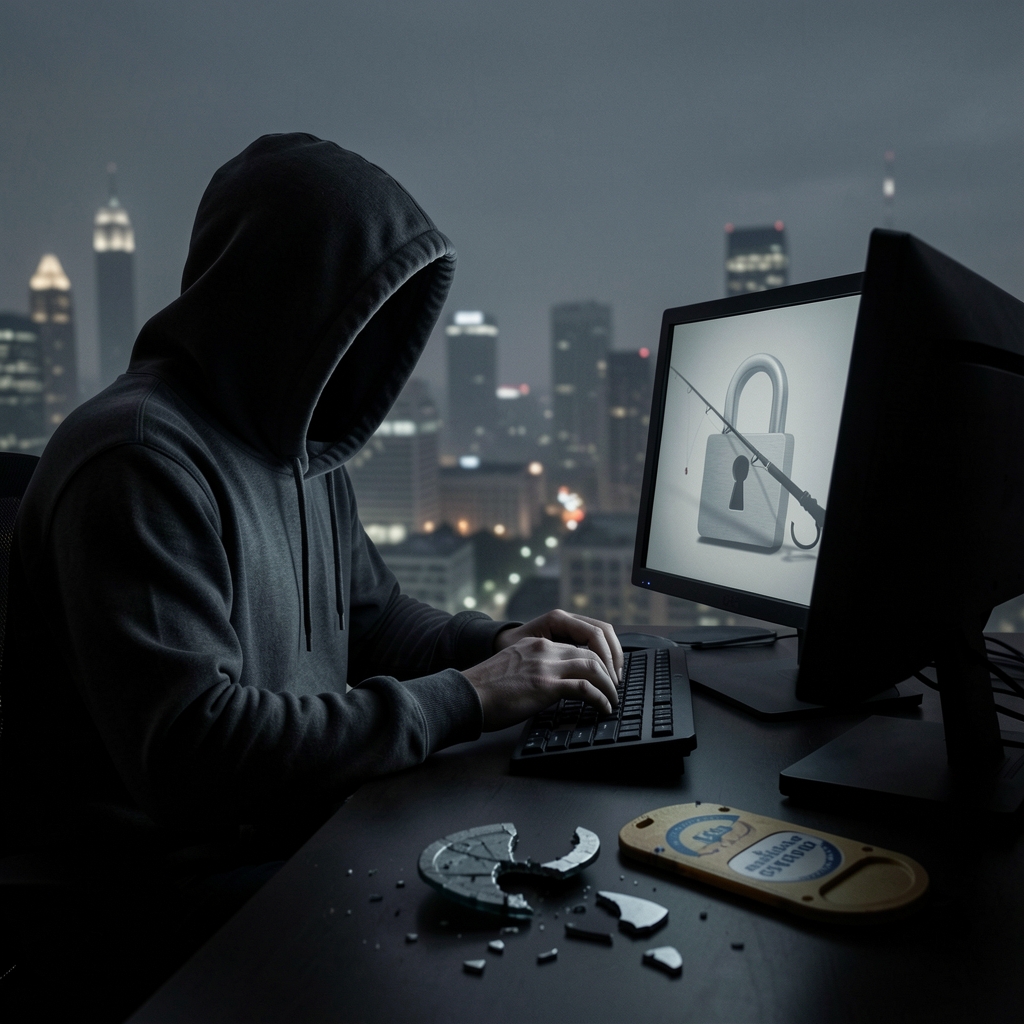
In the cat-and-mouse game of cybersecurity, a new player has emerged, threatening to upend the rules of engagement. Imagine a phishing scam so sophisticated, it doesn't even need to host its own fake login pages. Welcome to the world of "proxy phishing," where attackers use cleverly disguised links to load the target brand's real website, and then act as a relay between the target and the legitimate site.
This latest innovation in phishing-as-a-service has significant implications for users, technologists, and policymakers alike. As security expert Brian Krebs notes, "Most phishing websites are little more than static copies of login pages for popular online destinations, and they are often quickly taken down by anti-abuse activists and security firms. But this new approach lets attackers sidestep both of these pitfalls."
To understand the significance of this development, it's essential to grasp the basics of phishing and how it has evolved over time. Phishing scams typically involve creating fake login pages that mimic those of legitimate online services, such as banks, social media platforms, or email providers. These pages are designed to trick victims into divulging sensitive information, like usernames, passwords, and multi-factor authentication (MFA) codes.
However, this traditional approach has its limitations. Fake login pages can be easily identified and taken down by security teams, and users are becoming increasingly savvy at spotting suspicious links and attachments. The new phishing service, which has been dubbed "Starkiller," seeks to overcome these challenges by using a more sophisticated approach.
Here's how it works: when a victim clicks on a malicious link, they are directed to the legitimate website of the target brand. Unbeknownst to the user, the phishing service acts as a relay between the victim's browser and the legitimate site, forwarding the victim's login credentials and MFA codes to the legitimate site and returning its responses. This approach allows the attackers to bypass traditional security measures, such as browser warnings and anti-phishing software.
The implications of this technology are far-reaching. For users, it means that even the most cautious individuals may be vulnerable to phishing attacks. As security expert Robert M. Seidel, a senior threat researcher at the security firm, says, "Users need to be aware that even if they're visiting a legitimate website, there's still a risk of their credentials being intercepted."
From a technologist's perspective, this development highlights the need for more robust security measures, such as advanced threat detection and multi-factor authentication. As Krebs notes, "The fact that this phishing service can proxy real login pages and MFA codes highlights the need for more robust security measures, such as behavioral biometrics and device fingerprinting."
Policymakers also have a stake in this issue, as the increasing sophistication of phishing attacks has significant implications for online safety and security. As the Federal Trade Commission (FTC) notes, "Phishing scams are a major threat to consumers, and we're working to educate people about the risks and provide them with the tools they need to protect themselves."
Some key takeaways for users and organizations looking to protect themselves from these types of attacks include:
- Be cautious when clicking on links, even if they appear to be from legitimate sources.
- Use multi-factor authentication whenever possible.
- Keep software and browsers up to date with the latest security patches.
- Use advanced threat detection tools, such as behavioral biometrics and device fingerprinting.
In conclusion, the emergence of proxy phishing services like Starkiller represents a significant escalation in the cat-and-mouse game of cybersecurity. As attackers continue to innovate and adapt, it's essential for users, technologists, and policymakers to stay ahead of the curve. The question is: what's next in this ongoing battle between attackers and defenders? One thing is certain – the stakes have never been higher, and the need for vigilance has never been greater.
Source: https://krebsonsecurity.com/2026/02/starkiller-phishing-service-proxies-real-login-pages-mfa/



