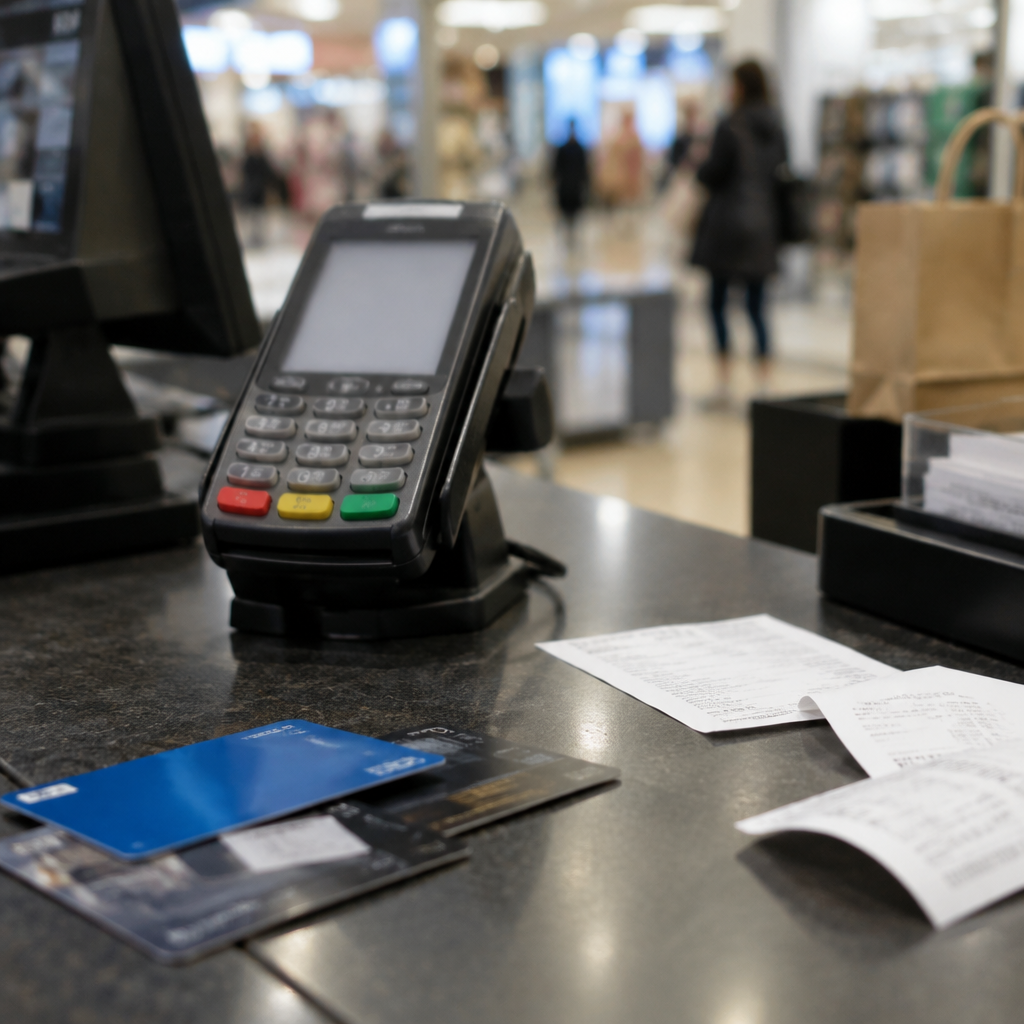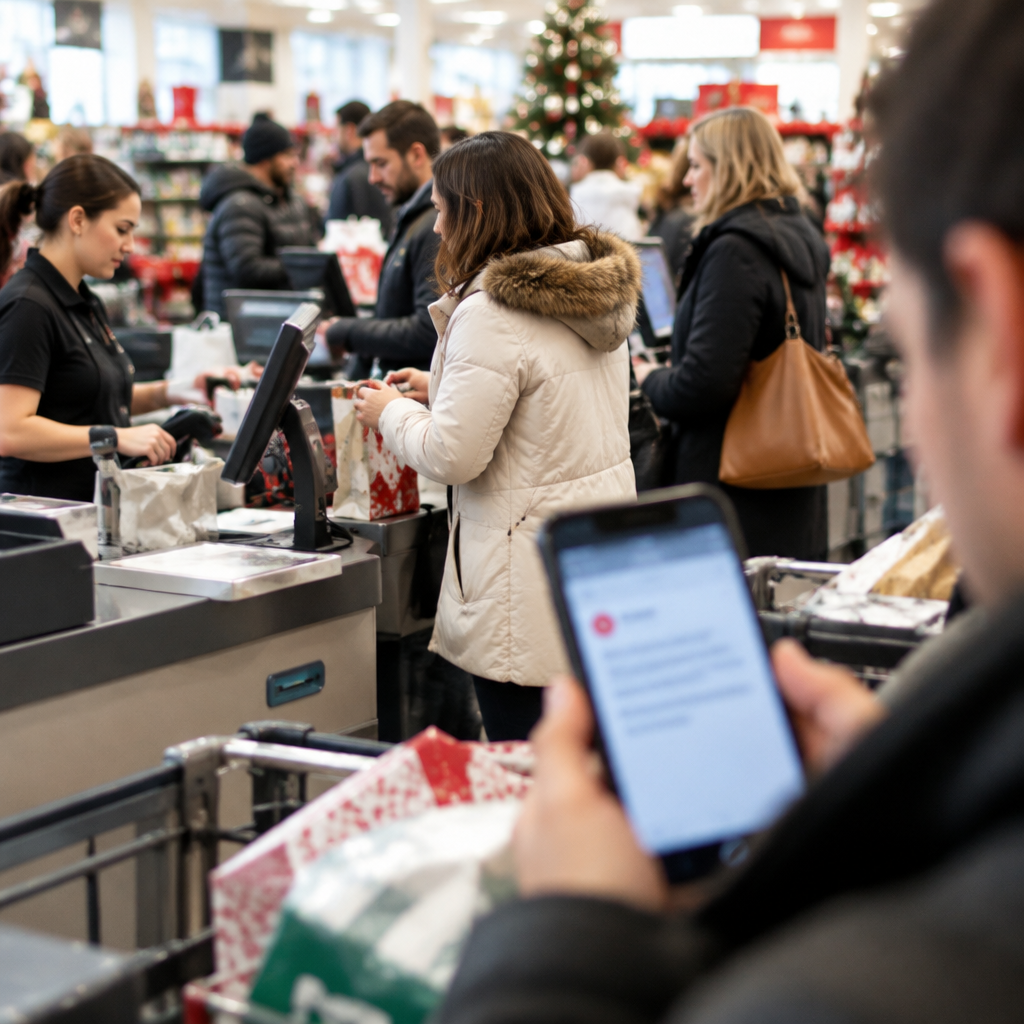
Kaspersky identified “more than 19 million phishing attacks targeting users of online stores, payment systems and banks” in the first ten months of 2026.
Phishing scale and brand impersonation
The raw numbers in Kaspersky’s seasonal analysis underline a concentrated threat around the year’s biggest shopping moments. The report records 19,063,077 attempts blocked by Kaspersky products from January through October 2026, a figure the report frames as nearly three times (198.1%) the volume recorded in the same period of 2025 (6,394,854). A detailed breakdown attributes 44.54% of those attempts to online shoppers, 28.55% to banking users, and 26.91% to payment-system impersonation.
Beyond volume, the dominant tactic remains straightforward: impersonate trusted brands. The report finds that five platforms — Amazon, Apple, Netflix, Shopify and Alibaba Group–associated brands — accounted for 7,119,400 detections, or 83.83% of phishing attacks tied to online stores and subscription services. Amazon alone was implicated in 3,102,304 detections, and Netflix-themed pages increased markedly year over year.
Top impersonated platforms: Amazon, Apple, Netflix, Shopify, Alibaba Group
Kaspersky’s dataset gives a granular look at which names attackers pick to gain credibility. The report lists:
- Amazon: 3,102,304 detections — up 411.6% from 606,369 in 2025.
- Apple-related resources: 1,622,917 detections (19.1% of the total).
- Netflix-themed phishing: 1,365,648 detections (16.08%), a 70.5% increase from 801,148 in 2025.
- Shopify-themed pages: 667,582 detections (7.86%).
- Alibaba-owned brands (including AliExpress): 360,949 detections.
Attackers reuse phishing kits and templated pages to scale across markets and languages, copying login layouts, branding and even alternative sign-in options so that only a credential entry form is interactive — and that form sends data straight to the scammers.

Nobody's watching your logs at 2 AM.
Full SOC coverage without building one. Nubivance deploys and manages Rapid7 InsightIDR and MDR for organizations that need detection and response, not another dashboard.
Get coverageStreaming, subscriptions and the Netflix discount trap
Subscription services have become primary lures during sales seasons. Kaspersky cites Antenna data showing Black Friday drove 8.9 million incremental premium SVOD sign-ups in 2025 — about 25% of all November sign-ups and an 800,000 increase from 2024’s 8.1 million. That concentration of promotional traffic creates fertile ground for credential- and payment-card phishing tied to subscription discounts and bundles.
The report documents two recurring Netflix-themed approaches: pages that harvest credentials via counterfeit login forms and “generous offer” pages that bundle Netflix with other services to collect a broad set of personal data — then move victims to WhatsApp contact channels to extract more information or money. Spotify and YouTube Premium are likewise impersonated to collect card details or login credentials.
GTA VI, gaming lures and season-timed malware
Major entertainment launches and seasonal campaigns create overlapping risk windows. Kaspersky notes that the November 19, 2026 launch of GTA VI coincided with sales-season activity and that between June and November 2026 the company detected 27,416 malware and potentially unwanted application attacks posing as GTA VI–related content. Those campaigns typically disguise malicious files as game downloads or offer fake bundles — for example, a purported PS5 subscription bundle sold to Brazilian users that takes payment via card or Pix and delivers neither hardware nor software.
Gaming-related phishing also mimics platforms such as Steam, promising gift cards in exchange for login details, or uses social channels such as Discord to trick victims into downloading suspicious files presented as “security modules.”
Banking Trojans, mobile-first fraud and Black Friday spam
Banking malware remains active but evolving. Kaspersky reports 801,150 PC banking‑Trojan attacks in the first ten months of 2026, down from more than 1.09 million in 2025 — a decline the report links to a broader attacker pivot toward mobile-first fraud and credential theft. The report names several families and campaigns in 2026, including GoPix (Brazil), JanelaRAT, Horabot and the Android banker BeatBanker, which was distributed via a fake Google Play page and bundled with a crypto miner.
Spam volumes tied to seasonal sales also rose: Kaspersky detected 220,071 sales-themed spam messages in the first two weeks of November 2026, a 50.2% increase over 2025. Those emails feed fake stores, gamified giveaways and urgency-based scams — for example, spam that routes recipients to fake telecom stores selling a new iPhone at implausible discounts, or “win a prize” flows that ask for payment-card details to cover shipping.
What this means for end users, technologists, and enterprises
- End users: Treat unusually generous discounts and urgent pop-ups skeptically; verify URLs before entering credentials or payment data and be wary of follow-up contact via informal channels such as WhatsApp, which Kaspersky documents being used to extract further details or money.
- Technologists and security teams: Expect brand‑impersonation campaigns scaled by phishing kits and, increasingly, AI‑enabled message generation; monitor for mass-targeted credential-harvest pages and suspicious sign-in flows that replicate trusted services.
- Enterprises and online retailers: Prepare for seasonal spikes in look-alike emails and fake storefronts that use your branding; coordinate takedown and authentication controls, and communicate clearly about legitimate sales channels and support numbers to reduce reflexive trust in look‑alike content.
Kaspersky concludes that major shopping periods remain associated with a higher concentration of recurring cyberthreats and recommends protecting devices with a comprehensive security solution — specifically noting Kaspersky Premium, which the report says uses advanced AI‑powered detection and was awarded an “Approved” certificate by AV‑Comparatives in 2026 for its ability to detect fake online stores.
As holiday demand concentrates online, the report’s figures — from tens of millions of phishing detections to tens of thousands of season‑timed spam messages and gaming lures — make a clear point: the shopping rush magnifies opportunities for credential theft, fraud and malware distribution, and both consumers and defenders must assume the activity will only be more targeted and automated in future seasons.