"It is unclear if Pakistan would adopt SAMs at this layer."
The systems inducted: CASIC HQ-17AE, NORINCO LD-76, Aselsan Korkut and Aselsan ŞAHİN
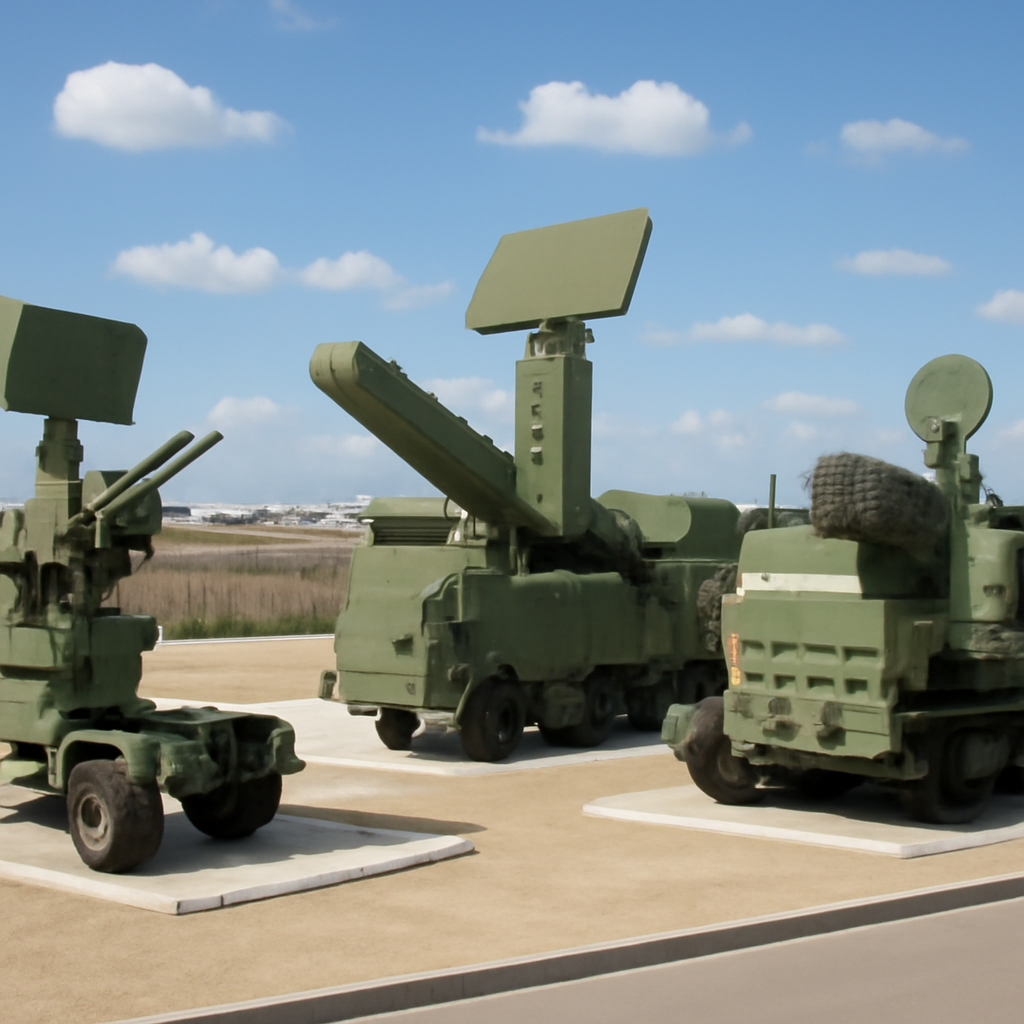
On 06 September, the Pakistan Air Force (PAF) officially revealed that it inducted new Chinese and Turkish short-range air defence systems (SHORADS) — the CASIC HQ-17AE, NORINCO LD-76, Aselsan Korkut, and the Aselsan ŞAHİN. The four systems were presented as part of a concerted effort to strengthen point-defence around critical PAF assets.
What the PAF says these systems are for
The PAF framed the acquisitions as improvements to its point-defence layer, emphasising kinetic effectors intended to counter drones — including one-way attack (OWA) or loitering munitions — as well as rockets, helicopters and precision-guided munitions such as cruise missiles. Taken together, the announced additions are aimed at hardening the short-range defensive envelope that directly protects air bases and other high-value facilities.

Audit-ready is a season. It shouldn't be.
Evidence in spreadsheets, controls drifting between audits, frameworks multiplying on flat headcount. Nubivance runs continuous compliance on Rapid7 Cyber GRC - SOC 2, HIPAA, ISO 27001, PCI, CMMC.
End the scrambleWhy these moves were accelerated: response to Indian missile and drone strikes
The source material states the inductions were pushed through in response to the "real threat of Indian missile and drone strikes on PAF facilities, especially air bases." The PAF’s concern, as reported, was the risk from large-scale missile strikes that — even when largely intercepted — can still disrupt air operations by damaging runways, hitting hangars, and destroying radars, among other effects.
Forecasts and options previously signalled on Quwa
Quwa’s reporting foreshadowed a stronger focus on point-defence shortly after the conflict. In a June 2025 market intelligence report, the Quwa author stated: "It is unclear if Pakistan would adopt SAMs at this layer. It could incorporate its current MANPADS stocks into an automation system similar to the AAGs. Alternatively, it may explore incorporating counter-artillery, rocket, and mortar (C-RAM)-type solutions for an additional defensive layer."
Later, in an October 2025 analysis published on Quwa, the same author added: "There should also be a program for the point-defence layer, i.e., within 10 km range… this was the approach Turkey’s Roketsan took with Levent – i.e., its own equivalent to the Rolling Airframe Missile (RAM). A missile-based CIWS can extend the potential interception range of incoming missiles to a much further distance (up to 10-12 km), offering greater buffering against potential blowback from an intercepted missile (especially SSCMs like the BrahMos)."
How the Pakistan Air Force, Indian strike planners, and procurement leaders are responding
- The Pakistan Air Force: The PAF has moved to integrate short-range kinetic systems into its point-defence layer to directly address vulnerabilities at air bases and other high-value sites, prioritising counter-UAS and short-range missile defence.
- Indian strike planners: The source attributes the PAF’s acquisitions to a response to Indian missile and drone strike threats; that dynamic has driven the PAF to accelerate fielding of SHORADS specifically tailored to counter one-way attack munitions and precision-guided threats.
- Procurement and defence planners in Pakistan: Quwa’s prior reporting framed a menu of technical and doctrinal choices — integrating MANPADS into automated systems, adopting C-RAM-type solutions, or pursuing missile-based CIWS with 10–12 km reach — choices that procurement leaders will need to weigh as they integrate the HQ-17AE, LD-76, Korkut and ŞAHİN into wider force structures.
Conclusion: The PAF’s public induction of the HQ-17AE, LD-76, Korkut and ŞAHİN on 06 September represents a concrete pivot to thicker point-defence around air bases and other critical facilities. The stated aim is narrowly tactical — to blunt the operational effects of drones, rockets, helicopters and cruise missiles — but the choices ahead are doctrinal and programmatic: whether to stop at gun- and short-range missile-based point-defence, to automate existing MANPADS stocks, or to push further toward missile-based CIWS and C-RAM layers within a 10–12 km envelope. Those decisions, the Quwa reporting suggests, will shape Pakistan’s short-range air-defence posture in the months and years ahead.