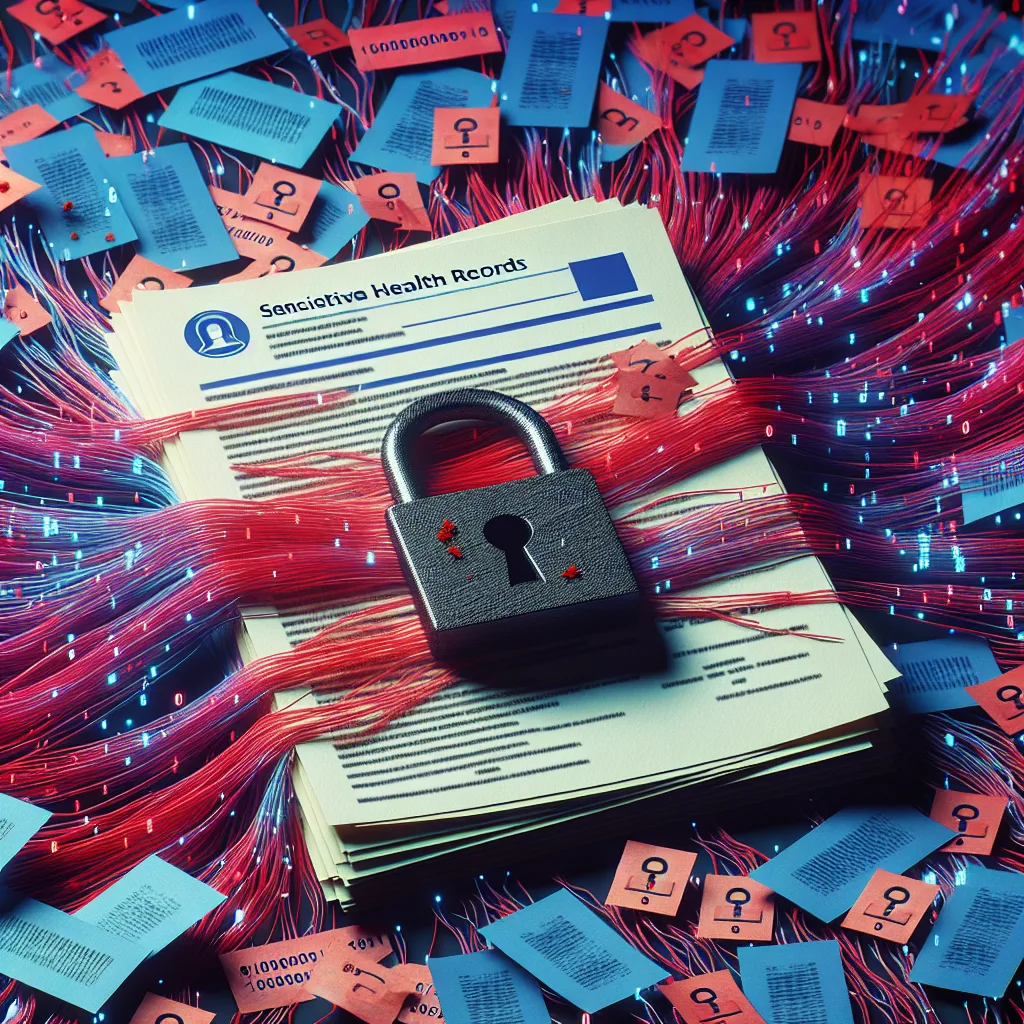
Data Breach Exposes 21,344 Patient Records in a Stark Reminder of Cyber Vulnerabilities
In a disturbing development for healthcare security, 21,344 sensitive medical records were recently exposed, potentially affecting thousands of patients whose private health information has now come under threat. This breach, which came to light last week, underscores vulnerabilities that continue to plague even the most robust health IT systems and calls into question the preparedness of institutions entrusted with personal health data.
The incident was first reported by cybersecurity monitoring groups who noted irregularities in data access logs. Early investigations now suggest that the breach may have been the work of sophisticated cyber actors exploiting a previously unidentified vulnerability in the system’s encryption protocols. According to contemporaneous analysis by cybersecurity experts, the incident illustrates a confluence of outdated security measures and the relentless evolution of cyber threats.
Historically, healthcare institutions have been high-value targets for cybercriminals. As early as 2017, several high-profile cases—such as the WannaCry ransomware attack—demonstrated the potential for damaging disruptions when hospitals and clinics are compromised. Over the preceding decade, regulatory frameworks like the Health Insurance Portability and Accountability Act (HIPAA) in the United States laid down stringent rules on safeguarding patient data. Despite these robust legal guidelines, the rapid sophistication of cyberattacks means that even well-regulated systems can be overwhelmed by the latest tactics employed by hackers.
In the current episode, the exposed data includes personal identifiers, treatment histories, billing information, and diagnostic reports. Although no immediate evidence suggests that the stolen data has been misused, the inherent risk remains: unauthorized access to such detailed personal health information can lead to identity theft, insurance fraud, and other forms of exploitation. Agency spokespersons from the Department of Health and Human Services (HHS) have confirmed that a comprehensive investigation is underway, with initial steps focusing on assessing both the scope of the compromise and the potential long-term ramifications for affected individuals.
The incident matters not only because of the direct harm to patient privacy but also due to its broader implications for the healthcare industry. Cyber breaches like this one shake public trust, drive up the costs of cybersecurity insurance, and force organizations to divert resources from patient care to remedial IT security initiatives. Financially, the fallout poses a double-edged sword: while immediate remediation costs are significant, long-term reputational damage coupled with potential legal liabilities could weigh heavily on both public and private healthcare providers.
Expert analyses suggest that several factors contributed to this breach.
- Insider Vulnerabilities: Investigations reveal that lapses in system maintenance and failure to promptly patch known security weaknesses were crucial entry points for unauthorized access.
- Regulatory Challenges: Despite longstanding policies like HIPAA, the pace of regulatory updates has often lagged behind the emerging risks posed by cybercriminals, leaving a gap in effective defense measures.
- Resource Constraints: Many healthcare providers operate with tight budgets, often prioritizing patient care over the comprehensive overhaul of cybersecurity infrastructure, making them attractive targets.
“Healthcare data is as precious as any asset, yet the defenses around it are sometimes found wanting,” noted Christopher Wray, FBI Director, in previous statements concerning the rising tide of cyberattacks on healthcare systems. While his remarks were part of a broader commentary on national cybersecurity, they resonate strongly with the current incident, highlighting systemic issues that transcend individual breaches.
Looking ahead, this breach is likely to serve as a catalyst for change within the healthcare sector. Industry leaders and policymakers are already calling for an accelerated modernization of IT infrastructures and more agile regulatory frameworks that can adapt to the rapid pace of technological change. Future initiatives may include:
- Increased Investment: Enhanced government incentives are expected to support healthcare organizations in updating their cybersecurity defenses, ensuring that outdated systems are replaced with more resilient alternatives.
- Stricter Compliance Measures: Regulatory bodies might impose tougher penalties for non-compliance with established security protocols, urging institutions to prioritize patient data protection.
- Enhanced Employee Training: Recognizing that human error often plays a role in security breaches, there is a growing push for comprehensive training programs that make every staff member an active line of defense against cyber threats.
For patients, the breach is a sobering reminder of the delicate balance between technological advancement and privacy safeguards. As institutions scramble to contain the fallout and shore up their defenses, the broader community is left to wonder whether existing measures are sufficient to protect personal information in an age of unceasing digital threats.
In closing, the exposure of 21,344 medical records is not just a series of numbers—it represents a pivotal moment in the ongoing struggle to secure personal health data. As stakeholders navigate the complexities of technological innovation, regulatory mandates, and public trust, one must ask: Are our systems truly prepared for the next inevitable confrontation with cyber threats, or are we destined to pay the price for our digital oversights?



