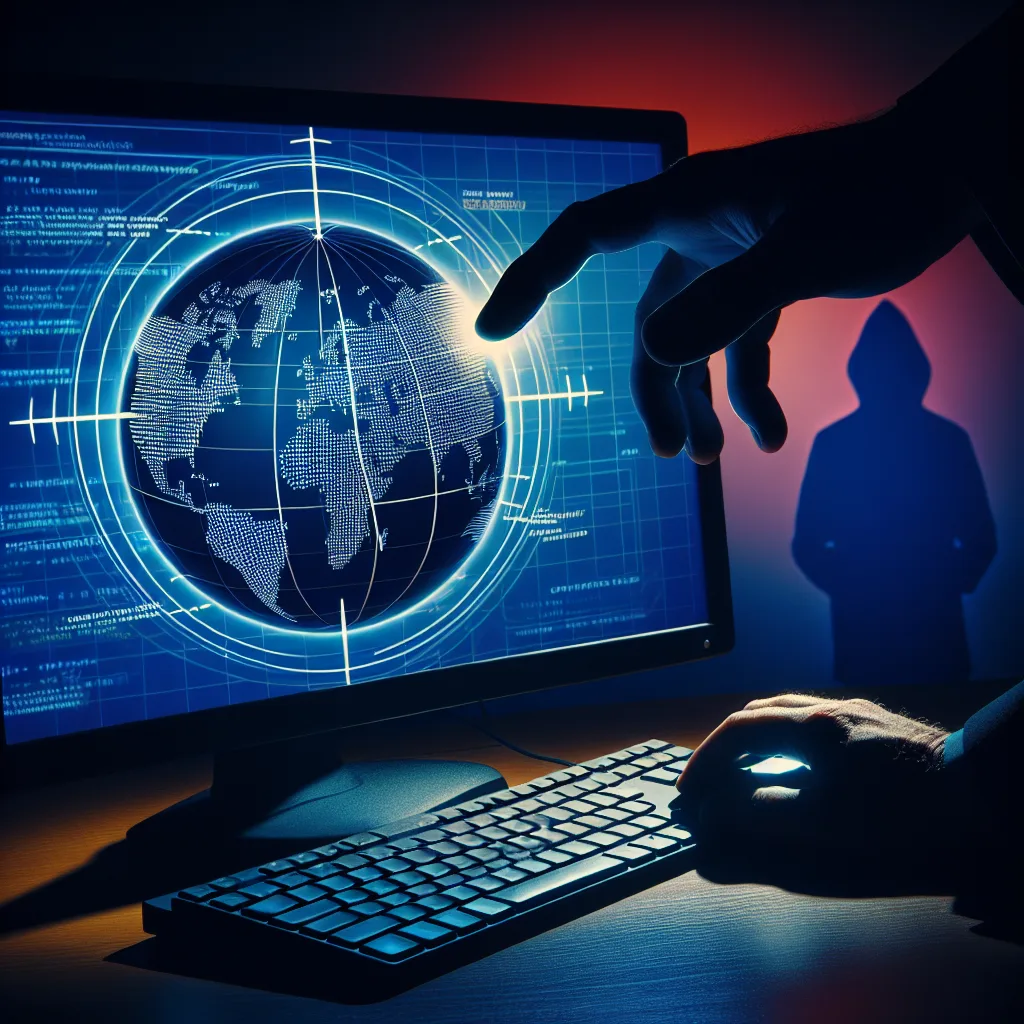
NATO Under Watch: Russian ‘Laundry Bear’ Eyes the Alliance’s Digital Frontiers
A quiet alarm bell has been sounded in the corridors of European intelligence. Dutch security agencies and Microsoft have issued a stark warning: a novel Russian state-sponsored espionage group, dubbed “Laundry Bear,” has entered the cyber arena with renewed vigor. Since early 2024, this threat actor has reportedly exploited stolen credentials—purchased on criminal marketplaces—to infiltrate networks across NATO and the European Union. As diplomatic tensions simmer and cyber vulnerabilities proliferate, the stakes have never been higher.
Recent assessments by Dutch intelligence and corroborative reports from Microsoft’s threat analysis team reveal that Laundry Bear is not merely opportunistic but strategically focused on undermining the trusted digital infrastructures of NATO member states. The intrusion techniques echo the hallmarks of state-endorsed cyber operations, combining social engineering and automated exploitation to bypass even fortified systems.
For years, intelligence communities have warned that cyber espionage remains one of Russia’s most active tools in its geopolitical arsenal. However, the emergence of Laundry Bear marks a shift in the modus operandi: this group appears to be leveraging the black market of stolen credentials to penetrate critical networks—highlighting a dangerous fusion of criminal methods with state-backed objectives. The fact that these tactics are being deployed against NATO allies underscores a calculated effort to test the alliance’s resilience and, perhaps, to sow discord from within.
Historically, cyber espionage has been a shadow strategy for deep-state objectives, conducted under layers of plausible deniability. The current landscape, however, is characterized by increasingly interdependent digital infrastructures. With vital systems ranging from defense communications to energy grids running on interconnected networks, the ripple effects of such breaches can extend well beyond immediate intelligence gains.
Dutch authorities have emphasized that the group’s methodology is both innovative and menacing. “The integration of credential theft through criminal channels represents a significant evolution in cyber tactics,” noted a spokesperson from the Dutch National Cyber Security Centre. This approach not only circumvents traditional security protocols but also muddles attribution—a key factor that complicates diplomatic and potentially military responses.
Microsoft’s cybersecurity division has similarly underscored the sophistication of Laundry Bear’s operations. In a detailed analysis released earlier this year, the company pointed to the group’s methodical targeting of network vulnerabilities and its precise focus on information-rich sectors within NATO and the European Union. “Our investigations indicate that these intrusion techniques are aligned with broader patterns observed in state-sponsored cyber campaigns,” a Microsoft analyst explained in a recent briefing. Such remarks suggest that while the digital portals targeted may be diverse, the underlying strategy remains consistent: erode trust, gather intelligence, and potentially destabilize key sectors in the alliance’s domain.
This latest development is particularly significant given the current global context. The reemergence of great-power cyber rivalry has reinvigorated discussions about digital sovereignty, secure supply chains, and the responsibilities of allies in an interconnected world. NATO—a military alliance built on the premises of collective defense and mutual trust—is now contending with adversaries that operate in the ambiguous borderlands of cyber warfare. Unlike conventional warfare scenarios, these conflicts occur surreptitiously and can cast long shadows over diplomatic relations without a single shot being fired.
There is also an economic dimension at play. The transnational cybercrime market has grown exponentially over the past decade, transforming from loosely organized bands of hackers into sophisticated networks of cybercriminals. By purchasing stolen credentials, state-sponsored actors like Laundry Bear are not only saving time and resources but are also exploiting the cracks in an already fragmented digital ecosystem. As a consequence, discussions around cybersecurity are increasingly converging with economic policy, where protecting intellectual property and consumer data now forms a key part of national security debates.
A particularly concerning aspect of Laundry Bear’s operations is the potential domino effect on public trust. Cyber intrusions of this magnitude often lead to heightened skepticism among the public regarding the integrity of digital institutions. This erosion of trust can have cascading effects on everything from financial markets to political processes. European governments and NATO officials alike are now tasked with the dual challenge of countering immediate threats while reassuring citizens that their sensitive data—and by extension their national security—is safeguarded against external threats.
Experts in the cybersecurity field point to several systemic vulnerabilities that Laundry Bear has exploited. Among the key issues are the reliance on outdated software systems and insufficiently vetted third-party vendors that provide network credentials. Such weaknesses are not unique to any one country; rather, they represent a common challenge across NATO allies. “The pattern we’re observing is one of calculated exploitation of systemic gaps—a reality that calls for not just reactive measures but also a concerted effort towards proactive modernization of security protocols,” explained Dr. Thomas Rid, a noted cybersecurity analyst affiliated with the University of Oxford’s research department on digital conflict.
In addition to technical vulnerabilities, geopolitical dynamics further complicate the response. NATO’s commitment to collective defense means that a breach in one member state could have far-reaching strategic implications. Policy symposiums in Brussels and Washington have increasingly focused on establishing frameworks for coordinated cyber defense. Yet, reconciling the diverse capabilities and policy approaches of each member remains a formidable challenge. Officials from NATO’s Cooperative Cyber Defence Centre of Excellence have indicated that the alliance is in the process of revising its cyber defense posture to better align with the evolving threats—a process that may benefit from enhanced intelligence sharing and joint cybersecurity drills.
Looking ahead, several trends are likely to shape the battle lines in this digital conflict. For one, the integration of artificial intelligence into cybersecurity operations could both bolster network defenses and become a tool in the adversary’s arsenal. As such, the race between offense and defense in cyberspace is set to accelerate. Furthermore, the blurred lines between criminality and state-sponsored espionage may demand new legal and diplomatic frameworks, forcing governments to rethink how they classify and respond to cyber threats.
It is also plausible that this incident will prompt a broader reassessment of public-private partnerships in cybersecurity. With private entities like Microsoft at the forefront of detecting and analyzing these threats, the collaboration between government entities and technology firms becomes even more critical. In a recent roundtable discussion held at the International Conference on Cybersecurity in Tallinn, representatives from several NATO countries underscored the need for unified standards that bridge the gap between military-grade security protocols and everyday business practices.
All indications suggest that Laundry Bear is not a transient or isolated operation. By integrating the shadow economy of stolen credentials with state-driven cyber strategy, this group exemplifies the emergent complexity of modern cyber warfare. For NATO, the imperative is clear: adapt quickly to this new breed of cyber adversary or face the potential unraveling of the alliance’s digital fortifications. As nations rally to shore up defenses and enhance information-sharing protocols, one can only wonder: will the strategic recalibrations be enough to outpace an adversary that thrives in the murky intersections of crime and statecraft?
In the end, the specter of Laundry Bear is a reminder of the immutable truth in the digital age: security is not a static achievement but an ongoing, dynamic pursuit. Amid a landscape fraught with technical vulnerabilities and geopolitical rivalries, ensuring that the human element—the trust, accountability, and collaborative will—is not lost becomes as crucial as any firewall or encryption algorithm. As NATO and its allies confront this latest challenge, the broader question remains: can the traditional pillars of alliance and democracy maintain their strength in an era defined by shadowy digital incursions?