"After installing the September 8, 2026, Windows security update [..], some USB Audio Class 1.0 devices might fail to start or produce audio," Microsoft said in a Friday update to the release health dashboard.
Microsoft confirmation and affected systems
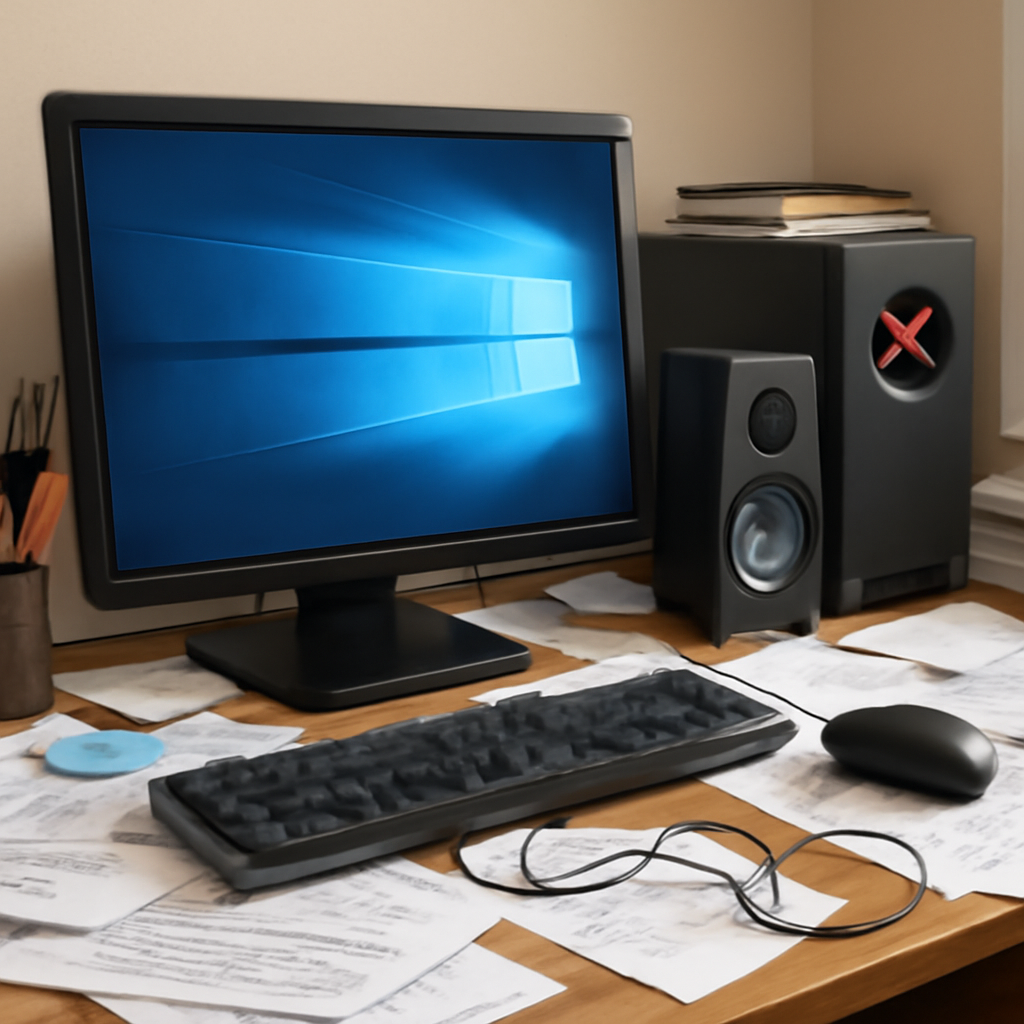
Microsoft has acknowledged that two September 2026 security updates — KB5124008 and KB5124012 — can cause USB audio devices to fail on some Windows systems. The company said the known issue is limited to devices running Windows 11, version 24H2 or later, and specifically affects USB Audio Class 1.0 devices. The admission appeared on the Windows release health dashboard and ties the problem directly to the September cumulative updates released on September 8, 2026.
How users are seeing the problem
Reports collected by Microsoft and echoed by affected users describe a consistent set of symptoms. Device Manager can show the error "This device cannot start (Code 10)." Other visible effects include a complete lack of audio output, volume controls that do not respond, and sound settings that remain unresponsive. In some cases the issue appears only when devices are asked to deliver multichannel audio — users report failures when engaging 3D audio or 8-channel modes, while simpler playback modes may remain functional.

This site is the portfolio.
OSINTSights runs on Cloudflare Workers, D1, R2, and Vectorize, with an AI pipeline on Hetzner ARM. Nubivance designed, built, and operates it. We do the same for clients.
See what we buildWorkarounds, precedent and timing
Microsoft has not published an official workaround for the September issue. Nevertheless, some users have been able to restore audio by switching affected devices to 2-channel mode, a user-driven mitigation that reduces multichannel functionality but can return basic playback. Microsoft has faced similar audio regressions in the past: in January 2025 an optional preview cumulative update, KB5050094, produced audio playback issues and Code 10 errors on Windows 11 24H2 systems with USB audio device drivers. That precedent establishes a pattern of audio-related regressions tied to specific cumulative updates and device-driver interactions.
Related audio compatibility decisions this year and earlier blocks
The September updates arrive amid other recent Microsoft actions to manage audio compatibility on Windows 24H2. In September 2026 Microsoft lifted a safeguard hold that had previously blocked Windows 11 24H2 upgrades on systems with Dirac audio improvement software; the hold had been put in place because of compatibility issues that caused Bluetooth headsets and speakers to malfunction. Microsoft has also in prior years used upgrade blocks: two years earlier it blocked Windows 24H2 upgrades on systems with incompatible Intel Smart Sound Technology (SST) audio drivers because of blue screen of death (BSOD) risks. Microsoft has additionally confirmed a separate issue that caused game audio to unexpectedly increase to full volume when using USB DAC sound systems. The September cumulative updates bundled fixes for other problems too — resolving known issues that wiped Windows desktop and mouse settings and correcting a bug that prevented Teams and Outlook from launching on ARM-based Windows devices.
What this means for technologists, enterprises, and end users
- Technologists and security teams: Expect to triage USB Audio Class 1.0 devices after applying KB5124008 or KB5124012 on Windows 11 24H2+ systems; switching impacted devices to 2-channel mode has restored audio for some users and can be tried as a stopgap while awaiting an official fix.
- Enterprises and procurement leaders: Systems that rely on multichannel USB audio — for conferencing, media production, or specialty audio hardware — should be validated post-update, and upgrade rollouts may need to be staged or accompanied by guidance about the 2-channel mitigation until Microsoft issues a resolution.
- End users and small organizations: If you see "This device cannot start (Code 10)" or lose audio after installing the September updates, try switching the device to 2-channel mode; otherwise, watch Microsoft’s release health dashboard for an official workaround or patch.
Microsoft’s public acknowledgement narrows the scope of the problem to a particular Windows version and audio class, and it documents both the symptoms and a user-identified mitigation. But the company has not yet provided an official workaround in the release health update, leaving users and IT teams to choose between reduced audio capability or delaying the September security fixes until Microsoft publishes a corrective update. For now, the practical question is simple and immediate: how long will affected systems have to run with limited multichannel audio before Microsoft issues a patch or formal guidance?
Source: BleepingComputer — Microsoft: September updates break audio on some Windows PCs