Massive Data Breach Exposes Personal Information of Millions at Ahold Delhaize USA
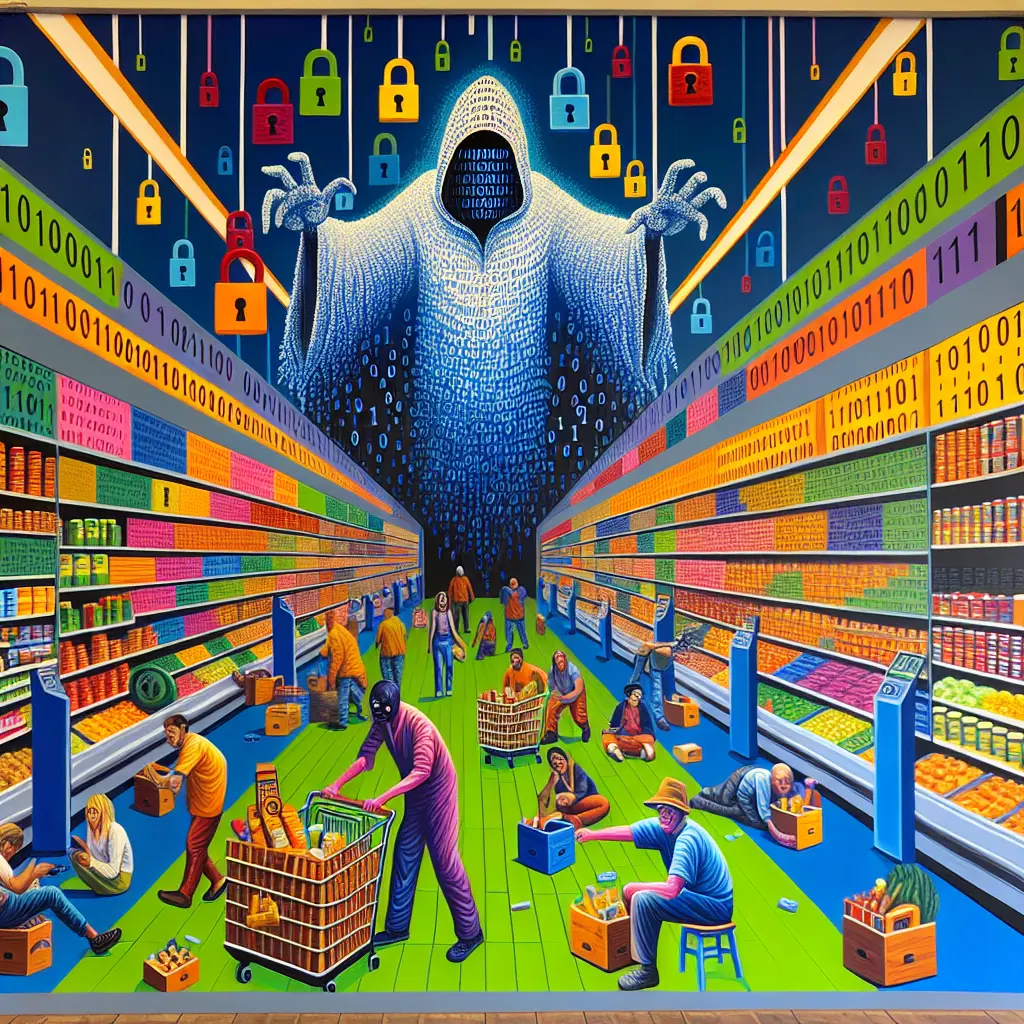
Ahold Delhaize USA, the parent company of notable grocery chains such as Stop & Shop and Giant Food, is grappling with a significant data breach affecting over 2.2 million current and former employees. In a shocking revelation, the Dutch-owned retail giant disclosed that a ransomware attack in November 2024 compromised sensitive personally identifiable information (PII), including Social Security numbers and medical details. This incident not only raises immediate concerns for those affected but also highlights the vulnerabilities in the cybersecurity frameworks of major corporations.
The stakes are high; as consumers become increasingly reliant on digital transactions, the integrity and security of their personal data have never been more critical. The fallout from this breach could shape public trust in Ahold Delhaize and influence how companies approach cybersecurity moving forward.
The breach’s ramifications extend beyond Ahold Delhaize’s immediate workforce. Historically, data breaches have had lasting effects on organizations, often resulting in hefty financial penalties, diminished reputation, and legal consequences. Furthermore, as corporate networks become interlinked through shared technologies and third-party vendors, any data vulnerability poses risks across an entire ecosystem.
Currently, Ahold Delhaize has taken steps to inform impacted employees while initiating an investigation into the breach’s origins and potential motivations. In their official statement, the company stressed their commitment to safeguarding employee data and indicated they are implementing additional security measures to prevent future incidents. However, as with many corporate responses to such crises, skepticism persists regarding the depth of their corrective actions.
This incident matters significantly for several reasons:
- Trust Erosion: Employees may feel betrayed by their employer’s inability to protect sensitive information. Given that many rely on these companies for employment benefits—including health services—the stakes include not just financial implications but also emotional repercussions for those affected.
- Political Implications: With growing scrutiny over how corporations manage consumer data privacy, lawmakers may push for stricter regulations. Legislators have already been addressing gaps in current cybersecurity laws; this breach could act as a catalyst for more stringent oversight.
- Financial Consequences: Data breaches can lead to substantial financial repercussions through lawsuits and regulatory fines. For Ahold Delhaize, costs associated with customer service efforts after informing employees of such sensitive breaches could add up significantly.
Diving deeper into this issue reveals a series of factors influencing such high-profile breaches. Cybersecurity experts attribute the increase in ransomware attacks to several intertwined causes: a growing number of sophisticated attack methods, an upsurge in cybercriminal organizations operating across borders, and underinvestment in robust cybersecurity measures by some corporations due to either cost or ignorance.
An expert on cybersecurity from a leading firm emphasizes that companies often prioritize operational efficiency over security preparedness until faced with breaches like this one. He notes that while Ahold Delhaize might appear proactive now, it is essential for businesses to build resilience before incidents arise rather than responding reactively after breaches occur.
The looking glass reveals several scenarios regarding what comes next for both Ahold Delhaize and its stakeholders. As investigations unfold, industry observers should pay close attention to:
- A New Standard in Cybersecurity: The fallout from this breach could prompt companies within the food retail sector—and beyond—to reevaluate their cybersecurity practices critically.
- The Role of Legislation: Lawmakers may use this incident as a touchpoint for introducing new bills aimed at enhancing corporate accountability concerning data protection.
- The Rise of Employee Vigilance: Employees may seek greater transparency regarding how companies handle personal information moving forward; perhaps this will spawn movements advocating for stronger rights concerning personal data management.
The situation remains fluid as Ahold Delhaize navigates this challenging landscape marked by distrust and vulnerability. The essential question looms: How can corporations fortify themselves against threats while ensuring they remain trustworthy stewards of their employees’ most sensitive information? As technology advances, so must our defenses—not just in digital infrastructure but in cultivating public confidence through transparency and accountability.