Digital Pandora’s Box: Hacker Exposes LockBit Ransomware’s Inner Workings on a Pivotal Anniversary
A dramatic twist unfolds in the ongoing battle against cybercrime. One year after an international law enforcement operation unmasked and indicted the leader of the notorious LockBit ransomware group, a hacker has delivered a telling blow—leaking a stolen database that lays bare details of victims, reveals hard-nosed negotiation tactics, and discloses cryptocurrency addresses used by the group. Amid the static of global cybersecurity alerts, this leak not only deepens the mystery surrounding LockBit’s operations but also reinvigorates the debate over attribution, retaliation, and reform in the digital domain.
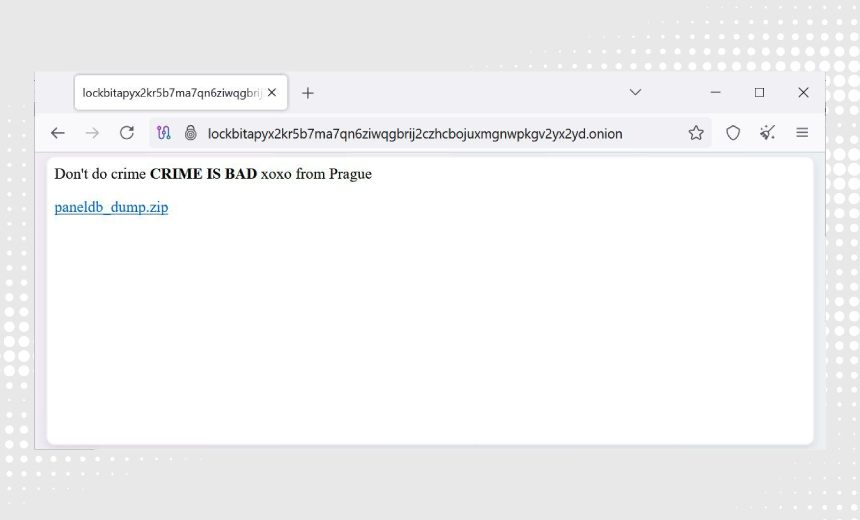 The database—circulated by an unknown hacker—carries unsettling details including victim names, aggressive negotiation transcripts, and numerous cryptocurrency wallet addresses. Although some portions of the data have been verified by cybersecurity researchers, many aspects remain under heavy investigation by global law enforcement agencies such as the Federal Bureau of Investigation (FBI) and Europol.
LockBit first drew attention as a formidable ransomware strain, notorious for its systematic deployment of ransomware-as-a-service (RaaS) tactics. Operating with military precision and often targeting critical infrastructure, the group has been implicated in numerous high-profile attacks that have disrupted operations and demanded hefty ransom payments. The recent leak, released on the solemn anniversary of a major crackdown, underscores just how intricate and far-reaching these cybercriminal networks truly are.
International law enforcement had, a year ago, embarked on a coordinated operation aimed at dismantling LockBit’s command structure. The indictment of its leader was widely reported in outlets such as The Wall Street Journal and Reuters, and it served as a landmark moment in the global fight against ransomware. However, as any seasoned analyst will note, the dismantling of a core figure does not necessarily cripple the operational capabilities of such networks; decentralized cells and adaptable structures can quickly reassert themselves.
At its core, the leaked database throws into sharp relief several operational details of LockBit’s modus operandi. Among these details are:
- Exposure of Victim Profiles: The leak lists a number of targeted organizations, hinting at systematic and well-orchestrated breaches.
- Aggressive Negotiation Tactics: Transcripts in the database reveal what some cybersecurity experts term “hard-edged” negotiation strategies, where the attackers demonstrate both arrogance and a relentless pursuit of ransom payments.
- Cryptocurrency Trail: Detailed cryptocurrency addresses indicate the financial infrastructure behind the extortion, offering potential pathways for forensic tracing by experts at institutions like Chainalysis.
Why does this matter? Beyond the immediate technical implications, the leak forces us to confront broader questions about cyber deterrence and the effectiveness of global law enforcement collaborations. In an era where digital trust underpins economic stability and critical infrastructure, revelations like these erode public confidence. Experts warn that even isolated leaks can embolden cybercriminal networks by inspiring copycat tactics and circumventing conventional security protocols.
Cybersecurity analyst Brian Krebs of KrebsOnSecurity has previously observed that “ransomware groups evolve rapidly, learning from both law enforcement setbacks and the self-publicity of leaks.” While Krebs’ comment encapsulates the complex interplay between deterrence and innovation in cybercrime, it also highlights a pressing need for international regulatory frameworks. As policymakers deliberate future cybersecurity legislation, stakeholders are compelled to consider not only legal responses but also the deeper technological vulnerabilities that such groups exploit.
Notably, while the leaked database is a treasure trove for cybercriminals, it also offers law enforcement a rare glimpse into the workings of an elusive criminal network. Officials from Europol have emphasized that any actionable intelligence drawn from the leak is now being sifted through painstakingly. The extraction and contextualization of data could eventually lead to further disruptions within the network, as experts coordinate with multi-jurisdictional teams to trace digital footprints across the blockchain.
Looking forward, the repercussions of this leak may be multifaceted. In the short term, the exposed details raise immediate concerns for all businesses that may unknowingly be on the cybercriminals’ radar. For the long term, this incident underlines the necessity for advanced threat intelligence mechanisms and international cooperation. As law enforcement agencies adapt their strategies to confront increasingly sophisticated cyber adversaries, public and private entities alike must brace for a continued evolution in how ransomware is operationalized and countered.
Cybersecurity remains a constantly shifting frontier—where the gap between offense and defense tightens with every new breach or digital exposé. While some caution against overestimating the immediate fallout, the leak of LockBit’s internal database undeniably exposes a broader vulnerability in our global digital infrastructure. Could this be a turning point, catalyzing stronger international collaborations and stricter cybersecurity policies? Or will the leak simply serve as another chapter in the relentless arms race between cybercriminals and those tasked with stopping them?
The answers, as so often in the world of cybersecurity, may only become clear as the story develops further, leaving observers with a sobering reminder: in the digital age, every leak carries the potential to reshape the balance between security and exposure.