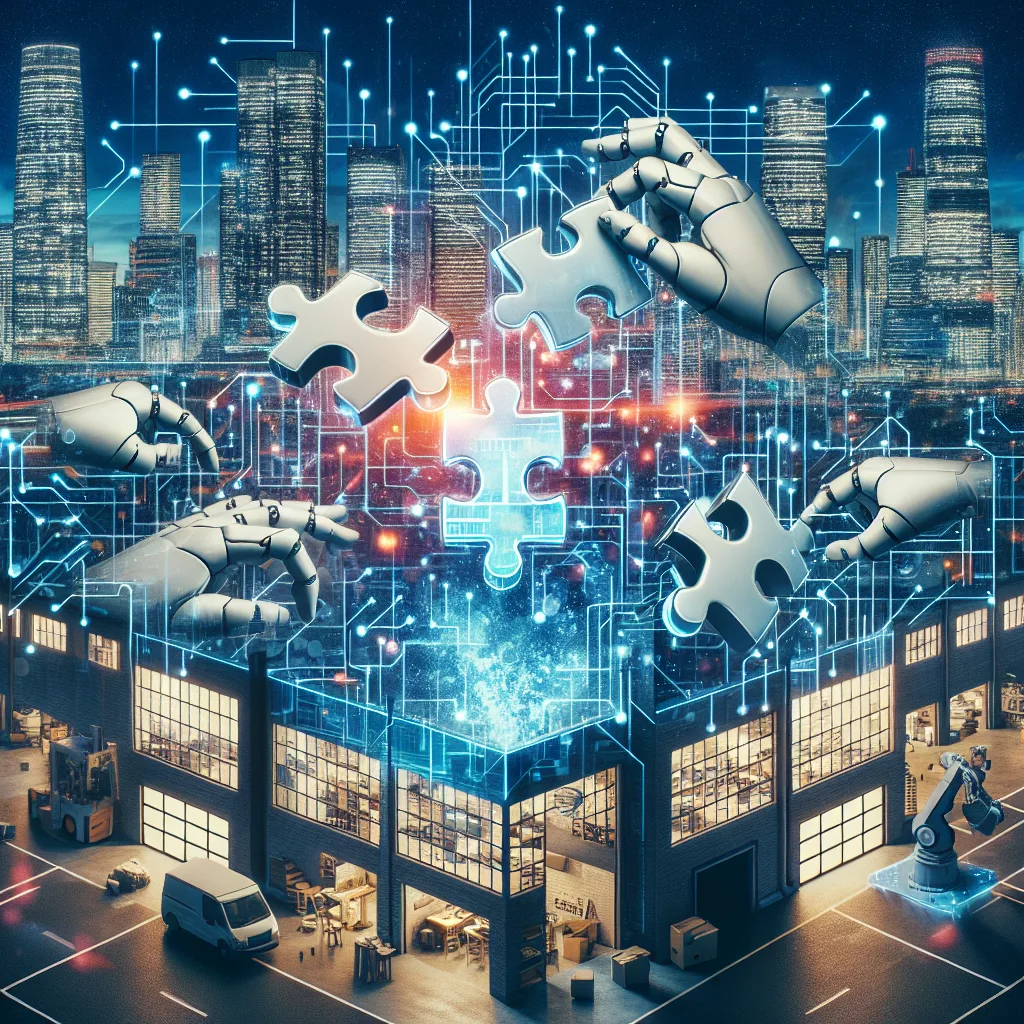
Innovation Meets Intrusion: Gen AI Startups Redefine Product Blueprints Amid Escalating Cyber Threats
The technology landscape is at a crossroads. On one front, a wave of generative artificial intelligence startups is revolutionizing product architecture with integrated AI systems, promising faster innovation and unprecedented user personalization. On the other, a recent cybersecurity breach at Maryland-based Kelly & Associates Insurance Group has underscored the vulnerabilities that persist in our increasingly interconnected digital world. The hack, first discovered in December 2024, now reportedly impacts 413,032 individuals—a stark rise of nearly 150,000 cases since the firm’s initial disclosure last month—and serves as a jarring counterpoint to the promise of technological progress.
Over the past few years, startups harnessing generative AI technology have reshaped traditional product development processes. These nimble companies are blending complex machine learning models into product architecture, enabling products to adapt dynamically to consumer needs. The promise of integrated AI extends far beyond mere automation. By providing real-time analytics, predictive maintenance, and personalized user experiences, these companies are pushing the boundaries of how products are conceptualized, designed, and deployed. As a result, industries from healthcare to retail are witnessing a transformation in both their operational frameworks and customer engagement methods.
Historically, innovation in product design has relied on iterative development and steady incremental improvements. With the advent of generative AI, however, product architecture is taking a quantum leap: rapid prototyping, real-time customization, and a deeper integration of feedback loops have become the new norm. This shift is fueling competition among startups and attracting significant venture capital, as investors and industry leaders alike seek to harness creative disruption. Notable technology analysts have observed that the era of integrated AI in product design is not just a trend but the foundation for an industrial revolution, redefining market dynamics and competitive strategies.
Yet, as the tireless march of innovation pushes forward, a parallel narrative of cyber vulnerability cannot be ignored. The recent breach at Kelly & Associates Insurance Group illustrates the precarious nature of today’s digital ecosystems. Initially reported in December 2024, the incident has evolved with increasing gravity, as the count of affected individuals has surged by nearly 150,000 since the firm’s earlier update. The escalation in the number of clients compromised—from both policyholders and ancillary service users—has raised immediate concerns about data protection, regulatory compliance, and the overarching cybersecurity protocols within legacy institutions.
This convergence of innovation and intrusion creates a landscape where the promise of integrated AI faces a daunting counterbalance. As startups incorporate AI into product frameworks, industry observers warn that the integration of advanced algorithms must be accompanied by equally sophisticated security measures. Cybersecurity expert Bruce Schneier has long stressed that robust defenses are essential for any entity leveraging digital technology. His commentary underscores a critical reality: while cutting-edge integration can provide significant competitive advantages, it also exposes operational weaknesses that adversaries may exploit.
The cybersecurity breach is a reminder that as industries embrace digital transformation, the importance of safeguarding sensitive data intensifies. For Kelly & Associates Insurance Group, a firm with deep ties to its community and a long-standing reputation, the expanding breach tally does more than reflect a log of compromised records—it signals a potential erosion of public trust. As regulatory bodies worldwide ramp up their scrutiny over data protection standards, the fallout from such incidents carries significant legal, economic, and reputational risks. Policy analysts at the National Cybersecurity and Communications Integration Center (NCCIC) have emphasized that organizations must evolve their security frameworks in lockstep with technological advancements.
Moreover, stakeholders across sectors are beginning to take a more holistic view of product innovation. While integrated AI paves the way for unprecedented functionality, there is an acute awareness that these developments occur within an environment prone to exploitation. Legal advisors, especially those specializing in data privacy laws, caution that the rapid deployment of AI-integrated products without thorough security vetting can lead to regulatory penalties and loss of consumer confidence. In this context, the lessons from the Kelly & Associates breach are both timely and instructive, urging startups and established players alike to insert cybersecurity considerations into their innovation timelines.
Industry insiders argue that the present moment calls for a reassessment of priorities. The dual trends of technological advancement and rising cyber threats demand that companies adopt a more integrated approach to design—one that not only prioritizes performance and efficiency but also embeds security at its core. This balanced approach is emerging as best practice in technology circles, where the convergence of agile development with continuous security monitoring is becoming essential.
Looking forward, experts forecast that the next phase in both product innovation and cybersecurity will involve deeper collaboration between technologists, security professionals, and policy makers. With AI systems growing ever more complex and integral to product architectures, the challenge will be to design systems that are resilient against constantly evolving cyber threats, without stifling the pace of innovation. Observers expect that regulatory frameworks will tighten, and market leaders will be expected to demonstrate transparency in both their development methodologies and their data protection practices.
There is also an emerging dialogue within the venture capital community regarding the dual need to invest in breakthrough technologies and robust cybersecurity frameworks. Investment in cybersecurity startups and security enhancement initiatives is seeing renewed momentum, driven in part by the high-profile incidents like that experienced by Kelly & Associates. Investors are acutely aware that long-term success in the digital era hinges not only on the innovative “wow” factor of integrated AI designs but on the credibility provided by secure, reliable data protection practices.
While integrated AI promises to streamline development, enhance customer experiences, and create new revenue streams, the rising specter of cyber breaches forces companies to confront a critical question: Can innovation and security truly coexist in an era defined by both digital breakthroughs and pronounced vulnerabilities? For many industry players, finding that equilibrium will be the defining challenge of the next decade.
In this time of rapid technological change, the landscape is marked by both innovation and caution. As generative AI startups continue to push the envelope of product design, the cautionary tale of the Kelly & Associates breach serves as a potent reminder that every leap forward comes with its own set of risks. The intertwined futures of advanced product architecture and cybersecurity resilience will likely dictate not only market trends but also the broader public trust in digital ecosystems. As the dialogue between innovation and intrusion unfolds, industry observers and stakeholders may well ask: In our rush to build the future, are we setting the stage for new vulnerabilities that could undermine the very progress we seek to achieve?