"In 2025, the IC3 received more than 13,400 complaints reporting the use of cryptocurrency kiosks, with losses over $388 million — a 23% increase in complaints and a 58% increase in losses from 2024." — the FBI
FBI IC3 data: scale, growth, and context
The FBI’s Internet Crime Complaint Center (IC3) reported more than 13,400 complaints tied to cryptocurrency kiosks in 2025, with aggregate losses exceeding $388 million. The bureau says that represents a nearly 60% surge in reported losses compared with the previous year and a 23% rise in the number of complaints. The FBI’s wider 2025 Internet Crime Report also shows IC3 received over 1 million complaints for cyber-enabled crimes last year, linked to almost $21 billion in losses overall.
How crypto ATM scams work
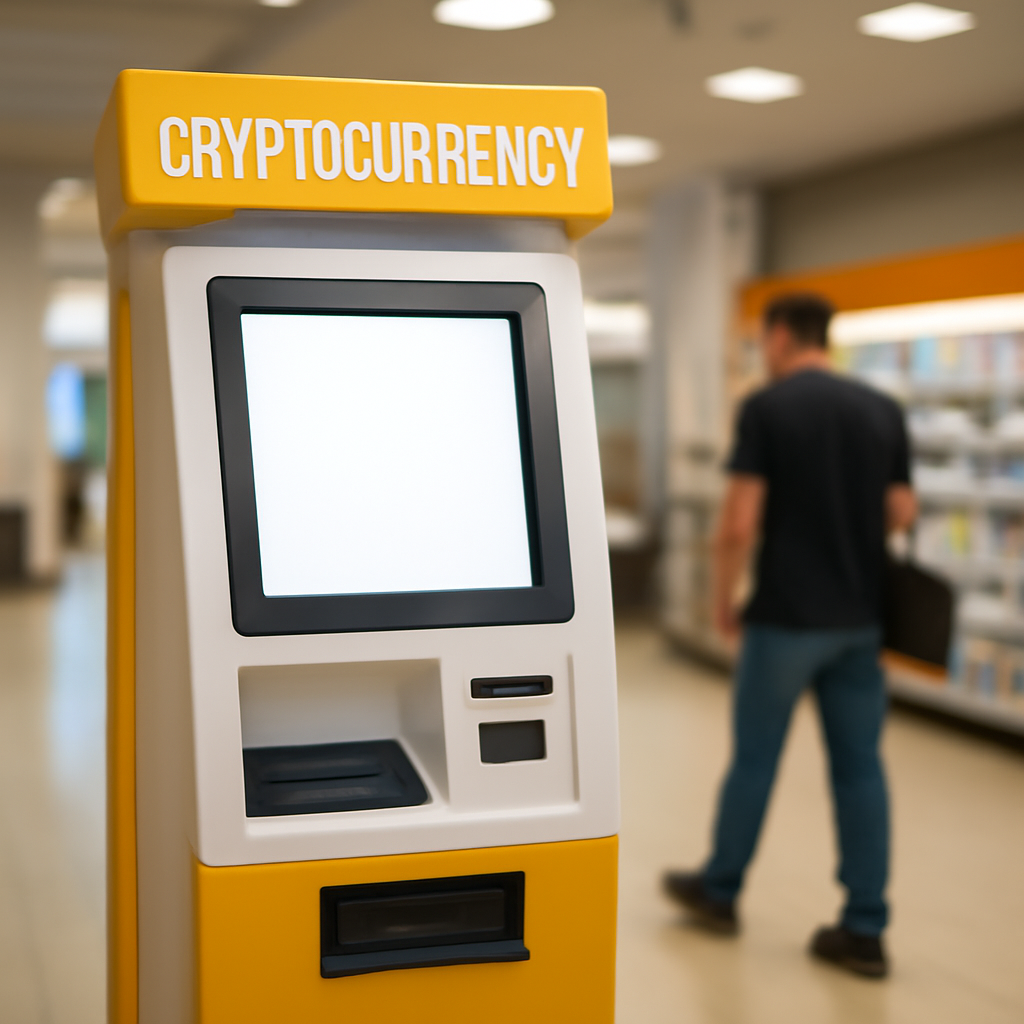
Cryptocurrency kiosks — sometimes called crypto ATMs or Bitcoin ATMs — are physical, standalone electronic terminals that resemble bank ATMs and let users buy or sell crypto assets using cash or debit cards. They may or may not require identity verification. According to the FBI, scammers instruct victims in detail: how to withdraw cash from their bank, where to find a kiosk, and exactly how to deposit and send funds through the machine. Typically, victims are directed to deposit cash into a kiosk that then moves the funds to attacker-controlled crypto wallets.

This site is the portfolio.
OSINTSights runs on Cloudflare Workers, D1, R2, and Vectorize, with an AI pipeline on Hetzner ARM. Nubivance designed, built, and operates it. We do the same for clients.
See what we buildWhere losses concentrated: Texas, Florida, California and older victims
Complaint data and adjusted-loss figures shared by the FBI show Americans in Texas, Florida, and California filed more than 3,300 crypto ATM scam complaints and reported more than $112 million in estimated losses. The bureau also reported that more than half of the complaints involved individuals over 50, and that those cases accounted for over $302 million of the total losses reported to IC3.
State policy moves: Minnesota, Indiana, Tennessee
State lawmakers have already begun reacting. Earlier in May, Minnesota enacted a statewide ban on cryptocurrency kiosks. That move followed similar actions in Indiana in March and in Tennessee in April, according to the FBI summary. Those state-level bans come amid the FBI’s public service announcement warning of the sharp rise in kiosk-related losses.
What this means for older Americans, convenience‑store operators, and state lawmakers
- Older Americans: The FBI’s data show people over 50 are disproportionately affected, accounting for most of the reported losses. For that group, the immediate implication is heightened risk from solicitations that direct cash-to-kiosk payments.
- Convenience‑store and gas‑station operators: Because kiosks are commonly located in gas stations and convenience stores, operators may face reputational and compliance questions and will need to weigh customer safety, signage, and when to alert authorities or kiosk operators if suspicious activity occurs.
- State lawmakers: With Minnesota, Indiana, and Tennessee imposing bans or restrictions, other state officials will have concrete policy precedents to study as they decide whether to regulate, restrict, or ban kiosk deployments in their jurisdictions.
FBI’s recommended precautions for consumers
The FBI’s public guidance lists practical steps to reduce the risk of falling victim: do not send money to people you know only online; never scan QR codes or follow payment instructions from unknown individuals; verify phone calls by calling the institution back on an official number; and do not share personal information over the phone. The bureau also advises being skeptical when someone claiming to be from the government or law enforcement demands cryptocurrency payments, stopping a transaction if a kiosk operator warns of fraud, and keeping receipts for cryptocurrency transactions.
The FBI’s figures make one fact plain: the combination of readily accessible kiosks and criminal instruction has translated into fast-rising losses, concentrated among older Americans and in certain states. Whether state bans and consumer warnings will slow the growth of these scams is an open question the numbers now force policymakers and the public to answer.