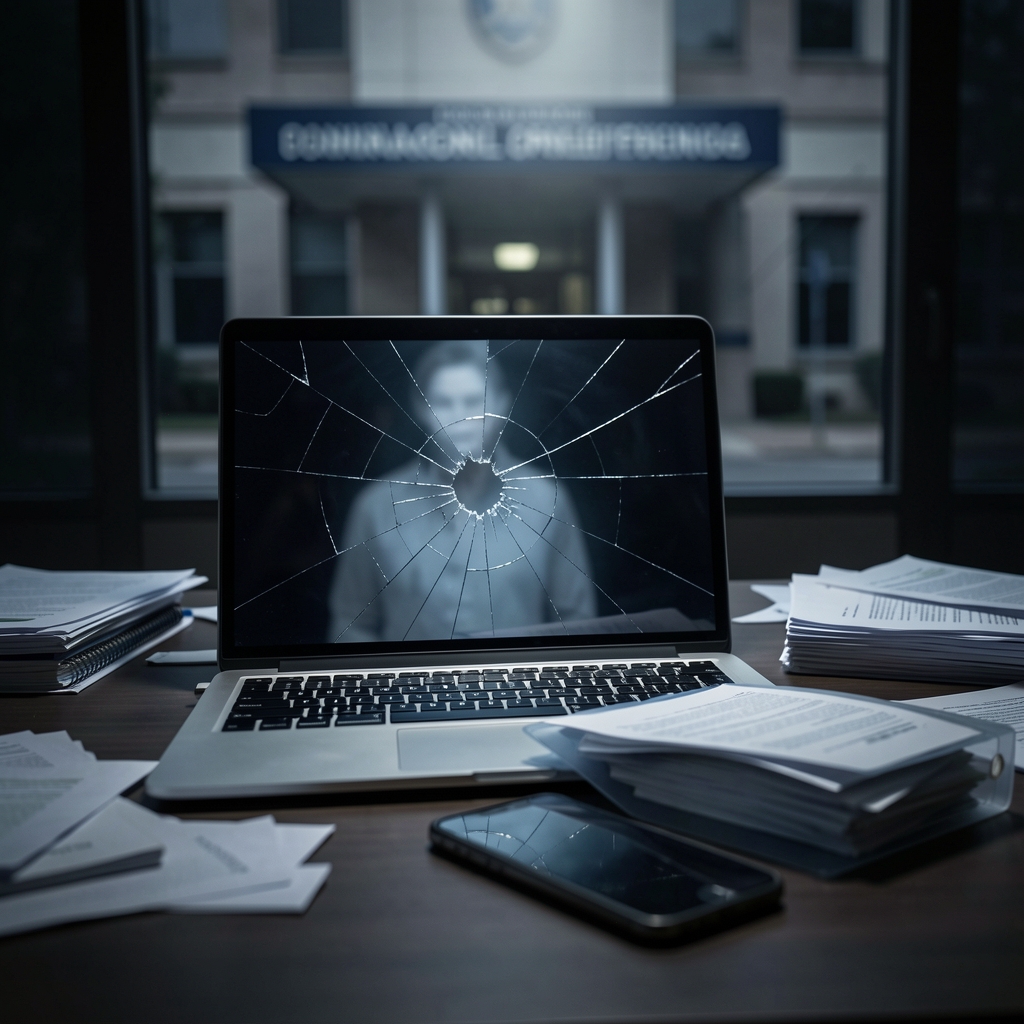
When a system meant to observe potential threats is itself observed by an intruder, how do we measure the damage — to operations, trust and privacy? Security leaders who have examined a recent breach of an FBI surveillance system describe the event as a “major incident,” and their reactions illuminate both the immediate risk and the long tail of consequences that follow.
What the public can reliably say right now
A breach involving an FBI surveillance system has been publicly characterized by security leaders as a “major incident.” Security experts have discussed the event and offered perspectives on its significance and on potential technical and organizational implications. Beyond that designation and the fact that industry and security leaders have weighed in, no additional factual details are reported in the source material provided.
Why this matters
When those responsible for monitoring threats are compromised, the stakes extend beyond a single system outage. Security leaders’ classification of the event as a “major incident” signals concern about scale, sensitivity and potential downstream effects. Even without granular public details, that label implies possible impacts on intelligence collection, evidence integrity, operations continuity and public confidence in surveillance programs.

Audit-ready is a season. It shouldn't be.
Evidence in spreadsheets, controls drifting between audits, frameworks multiplying on flat headcount. Nubivance runs continuous compliance on Rapid7 Cyber GRC - SOC 2, HIPAA, ISO 27001, PCI, CMMC.
End the scrambleHow different observers frame the problem
- Technologists: Security experts routinely point to system architecture, access controls and patch management as central to preventing and responding to intrusions. From that vantage, a major incident prompts urgent forensic work and reassessment of defensive posture.
- Policymakers and operators: For those who govern or run surveillance programs, a breach raises questions about legal authority, oversight, continuity plans and whether classified or sensitive workflows were affected.
- Users and the public: Citizens and communities subject to surveillance may view a breach through the lens of privacy and trust — wondering what data, if any, was exposed and how safeguards will be strengthened.
- Adversaries: Any adversary that learns of a successful intrusion could adapt tactics to exploit similar systems elsewhere or to capitalize on publicized weaknesses.
What comes next
In major incidents, standard next steps typically include containment, forensic investigation, notification of affected stakeholders and remediation. Security leaders who have discussed this breach emphasize the need for careful analysis and transparent communication to restore operational integrity and public confidence. The precise remedial path and its timeline will depend on technical findings and organizational decisions that have not been detailed in the source material.
A single phrase — “major incident” — can capture urgency without answering every question. The deeper questions remain: how resilient are critical surveillance systems to determined intruders, and how will agencies and vendors translate lessons learned into stronger protections going forward?