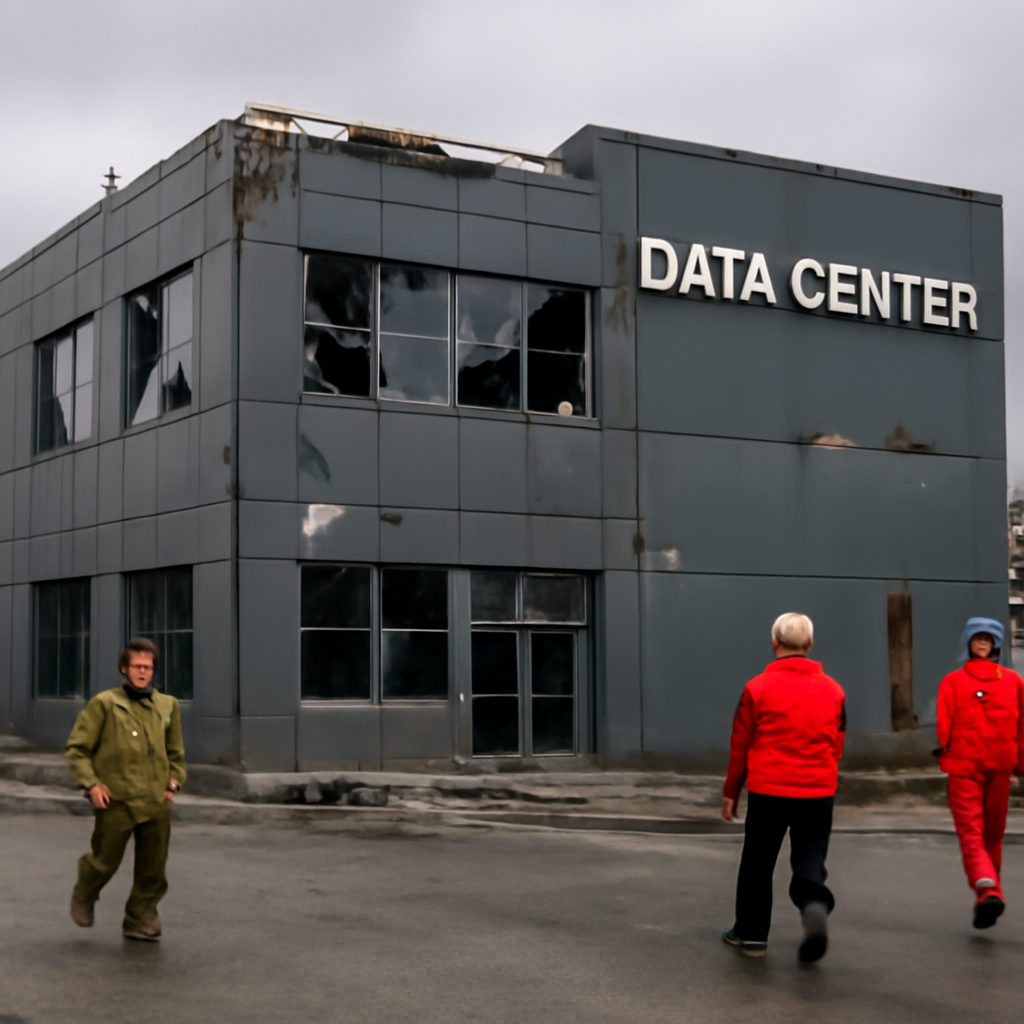
In September, hackers from a group called ShinyHunters announced that they stole a trove of FBI data about its own agents.
ShinyHunters' September announcement
The claim came from a group identifying itself as ShinyHunters, which publicly announced the theft in September. The source describes that announcement as the moment when the compromise became known, and characterizes the breach in stark terms: "It was an intelligence disaster."
The stolen trove: FBI data about its own agents
The material ShinyHunters said it took was not generic operational data but, according to the published account, information "about its own agents." The source labels the result an "intelligence disaster," underscoring that the content of the trove implicated the FBI’s internal human or agent-related records rather than a more limited technical intrusion.

The cyber insurance questionnaire just landed. Now what?
SOC 2, HIPAA, insurance renewals - someone has to own security strategy. Nubivance provides fractional CISO leadership without the full-time salary.
Get a security leadFBI arrest last week
Following the public disclosure of the announcement, law enforcement action followed: "Last week, the FBI arrested someone associated with that crime." The report links the arrest directly to the September theft announced by ShinyHunters and frames it as a recent development in the case. Beyond noting the arrest, the source provides no further procedural details, such as charges, location, or identity.
What this means for FBI agents, the intelligence community, and ShinyHunters
- FBI agents: The source states agents were the subjects of the stolen data, making them the immediate and personal victims identified in the public account. That exposure is the central human impact described in the record.
- The intelligence community: The published characterization—"an intelligence disaster"—signals that the compromise is severe enough to have implications for intelligence handling and internal security wherever those agents’ work touches other operations.
- ShinyHunters and associated actors: The group's own announcement ties it to the theft, and the FBI's arrest of "someone associated with that crime" represents an enforcement response directly connected to the announcement and the claimed theft.
Enforcement response and unanswered operational details
The narrow public record in the source captures three core facts: an announced theft by ShinyHunters in September, the stolen material concerned FBI agents, and last week an arrest tied to that crime. Those facts establish a basic sequence—announcement, characterization as an intelligence disaster, and an arrest—but leave operational and legal specifics unreported in the cited account. The arrest is the clearest sign that investigative authorities have moved from attribution and public accusation to action; the source does not, however, supply the scope of legal measures taken or the provenance and volume of the seized data.
The way this account is framed makes two things plain: first, that the breach was judged severe enough to warrant the descriptor "intelligence disaster"; and second, that the FBI has executed at least one arrest connected to the event. Between those two points sits a set of operational questions the source does not address directly—questions about the content and reach of the trove, the role of any intermediary actors, and the legal basis for the arrest—that will determine the long-term consequences for the agency and for the individuals whose data were exposed.
Closing observation
The public outline here is short but consequential: a public claim of a major theft of FBI agent data, a judgment that the theft amounted to an "intelligence disaster," and a subsequent arrest of someone associated with the crime. Each of those discrete facts is significant on its own; together they describe an incident that moves from a damaging disclosure into the criminal-justice arena. The report leaves open several concrete questions that will matter to the people named in the trove and to the institutions responsible for their safety—most immediately, what charges follow the arrest, how authorities will account for the scope of exposed material, and what protections will be put in place for the agents whose data were taken.