Global Cybersecurity Stumble: SentinelOne’s Six-Hour Outage Reverberates Worldwide
On a seemingly ordinary Thursday, a series of events unfolded that captured the attention of the cybersecurity community and organizations worldwide. Cybersecurity vendor SentinelOne, a company celebrated for its Extended Detection and Response (XDR) capabilities, experienced a major, global outage lasting approximately six hours. This incident disrupted the monitoring of endpoints and networks for managed response service customers, halted critical software updates, and obstructed administrators’ access to troubleshooting consoles.
In an era where digital threats have become ever more sophisticated, the functionality of cybersecurity systems is not merely an operational detail—it is the very shield that defends businesses, governments, and public institutions. The outage at SentinelOne underscores the delicate balance technology companies must maintain between rapid innovation and robust infrastructure resilience.
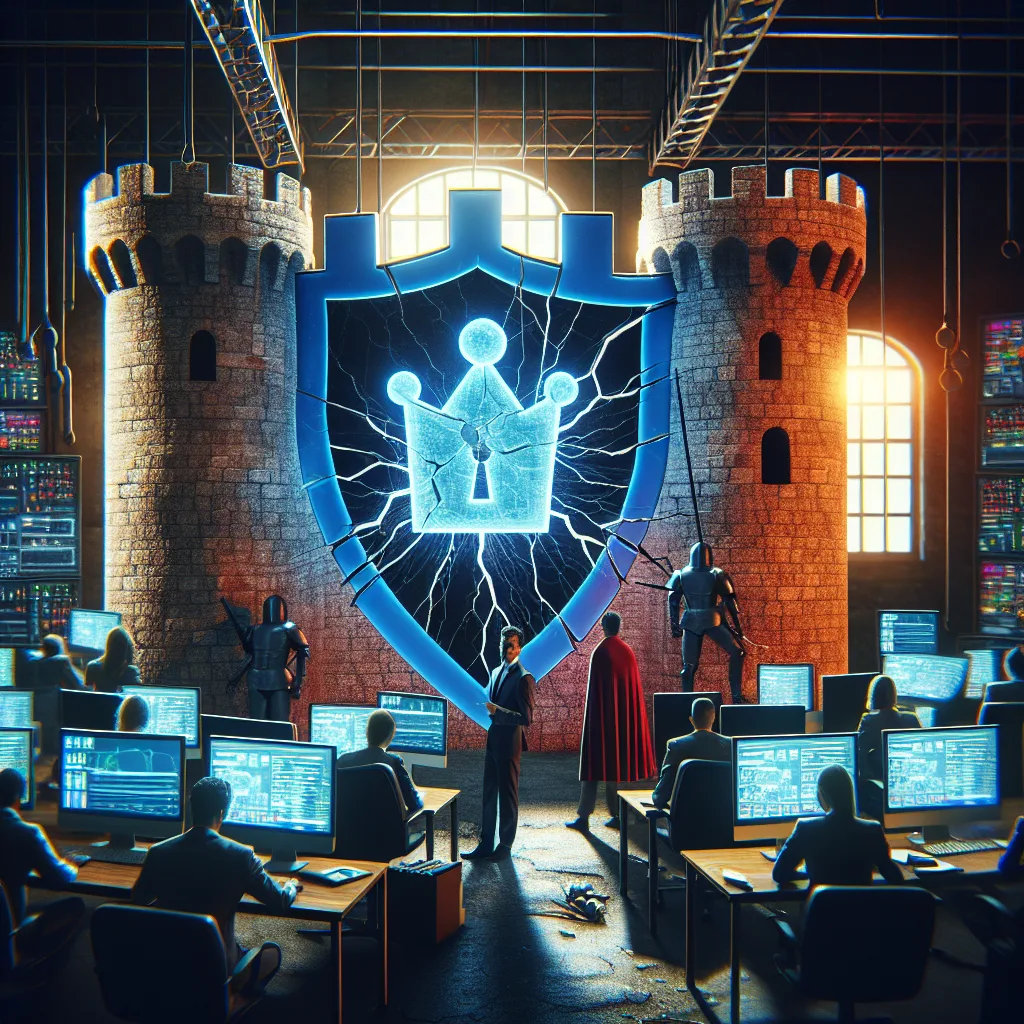
An image documenting the event, prominently circulated on industry channels, visualizes both the disruption and the immediate industry response. The graphic, featuring a bold statement, “After Hours-Long Disruption, XDR Vendor Promises Full Root Cause Analysis of Outage,” serves as a stark reminder of the stakes involved when security systems falter.
Historically, SentinelOne has built its reputation on the promise of real-time monitoring and rapid response. Its clients, ranging from multinational corporations to critical infrastructure entities, depend on these systems to preempt an ever-growing array of cyber threats. This reliance has inevitably raised expectations for operational continuity and system reliability even during unexpected disruptions.
In the hours following the outage, SentinelOne leadership mobilized communication channels to address concerns, promising a thorough root cause analysis. The company’s swift acknowledgment of the incident was aimed at assuaging worries among clients and industry watchers alike. According to official statements circulated through the firm’s media outlets, the investigation would consider multiple dimensions—from software glitches to potential vulnerabilities in their internal communication protocols.
For companies that managed their cyber defenses on the assumption of uninterrupted vigilance from their security platforms, even a temporary lapse is far from insignificant. The outage potentially opened vulnerabilities not only to attacks but also to operational missteps during a critical window when vigilance is paramount. In a digital ecosystem where every minute counts, the downtime could have inadvertently provided an opening for adversaries seeking to exploit system weaknesses.
Stepping back to examine the broader context, the incident reflects the challenges facing cybersecurity firms in a high-stakes environment. Training, resources, and continual innovation are critical components, yet even the most robust systems can experience missteps. As organizations worldwide invest billions into cyber defenses, the resilience of service providers is increasingly being put to the test, and SentinelOne’s experience is a potent reminder of this reality.
Importantly, the outage raises several pointed questions: How should technology providers balance rapid deployment and reliability? And where does accountability lie when a global service provider experiences such a critical fault? These are not rhetorical inquiries; they speak directly to the principles of trust and dependability that are central to cybersecurity operations.
Industry experts, including analysts from established technology research firms such as Forrester and Gartner, have weighed in on the matter. Their consensus appears to be that while SentinelOne’s rapid response and promise of a full investigation are commendable, the incident should catalyze broader introspection across the sector.
- Resilience vs. Innovation: Experts suggest that as security vendors push the envelope in threat detection and automated response, the need for equally advanced fault tolerance and redundancy mechanisms is paramount.
- Operational Transparency: Transparency in the midst of disruption is key. With accurate, timely communication, companies can mitigate the erosion of trust among their clients.
- Broader Implications: The ripple effects of such outages extend beyond the affected company. Organizations relying on third-party cybersecurity solutions must be proactive about contingency planning and risk management.
One notable voice in the field, Dr. Eric Cole, a recognized cybersecurity expert and author, recently commented on industry forums that “Outages in security software are not just interruptions; they are critical signals that the ecosystem must adapt.” Although not a direct quote from SentinelOne’s announcement, such expert sentiments echo the cautious optimism permeating the industry.
The trajectory in the wake of the outage appears set on a course of rapid assessment and, potentially, sweeping adjustments. Analysts are predicting that SentinelOne’s forthcoming root cause analysis will not only detail the technical issues but also spur conversation within the industry about building more resilient architectures. Companies that depend on these systems may soon reassess their cyber continuity plans and seek enhancements to their overall security posture.
Policy makers and regulatory bodies, particularly in regions with stringent cybersecurity standards such as the European Union, may also take note. The incident serves as a case study for the intersection of operational reliability and compliance demands. As governments worldwide tighten regulations on cybersecurity protocols, especially for critical infrastructure, the lessons learned from SentinelOne’s outage could influence future legislative frameworks.
Looking ahead, the industry can expect a dual focus on two fronts. First, technical enhancements will likely be seen as companies, including SentinelOne, invest in improved redundancy and faster recovery systems. Second, there will be an increased emphasis on communications strategies, ensuring that when outages occur, stakeholders are not left in the dark.
The incident is also likely to influence market behavior. Investors might scrutinize the operational stability of firms that tout high reliability as a key differentiator. Customers, in turn, will increasingly demand verifiable evidence of system resilience, prompting a potential shift in vendor priorities and product development roadmaps.
In the final analysis, SentinelOne’s outage is more than a fleeting technical hiccup—it is a pivotal moment that encapsulates the complexities of protecting an increasingly digital world. The challenge remains clear: how can the industry ensure that the promises of cybersecurity are upheld even in the face of unforeseen setbacks? As vendors and clients alike navigate this evolving landscape, the balance between innovation and stability emerges as the enduring question for the cybersecurity age.
While the full outcomes of the investigation are yet to be revealed, the episode serves as a vital reminder of the human side of cybersecurity. At its core, behind every digital protocol and algorithm lies an unquestionable reliance on trust, communication, and relentless commitment to safeguarding the essential fabric of our interconnected society. The story of SentinelOne, and indeed any firm caught in the throes of technical adversity, is ultimately a story of human resilience in the relentless march toward a safer digital future.



