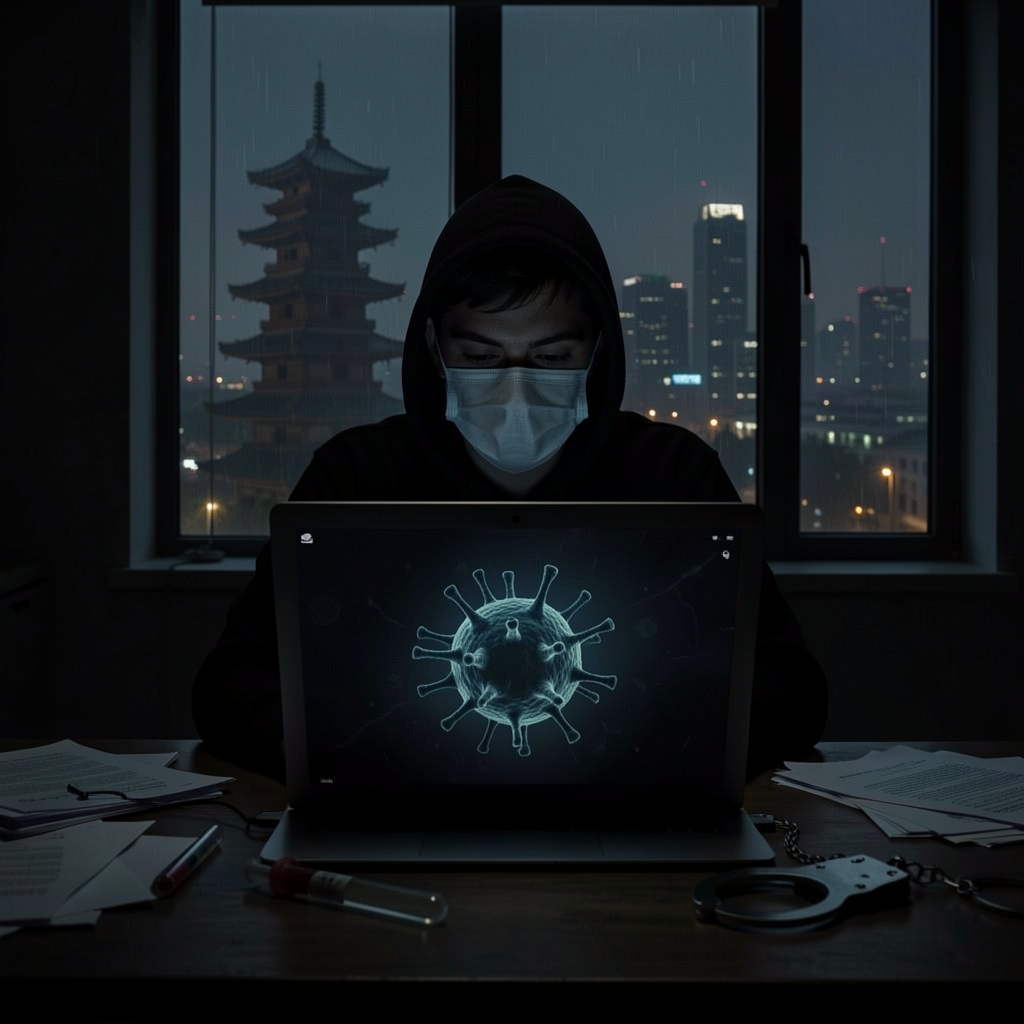
“In the race against a global pandemic, who holds the moral high ground when science becomes a battlefield?” This question encapsulates the latest revelation from U.S. authorities, who have formally charged a Chinese state-sponsored hacker with stealing critical COVID-19 research from American universities. The allegations underscore a troubling intersection of espionage, public health, and international relations.
At the heart of the matter is the accusation that the hacker, acting on behalf of the Chinese government, targeted leading U.S. academic institutions engaged in COVID-19 research. The stolen intellectual property reportedly includes sensitive data and proprietary research that could accelerate vaccine development and therapeutic treatments. According to the Department of Justice, this cyber theft not only undermines American scientific progress but also threatens global efforts to contain the virus.
The backdrop to this case is a sustained pattern of cyber intrusions attributed to state actors seeking technological and scientific advantages. Since the onset of the COVID-19 pandemic, cybersecurity experts have warned that research labs became prime targets. The Federal Bureau of Investigation (FBI) has frequently issued alerts about Chinese cyber espionage campaigns aimed at medical and biotech sectors, emphasizing the strategic importance Beijing places on pandemic-related technology.
From a technical standpoint, the methods employed were sophisticated and persistent. The hacker exploited vulnerabilities in university networks, deploying malware designed to exfiltrate data while evading detection. “These actors are highly skilled and well-resourced,” said Nicole Perlroth, cybersecurity journalist at The New York Times. “Their goal is to shortcut years of research by stealing it outright.”
Policymakers now face the challenge of deterring such activities without escalating geopolitical tensions. The U.S. government’s public indictment is both a signal of transparency and a tool of diplomatic pressure. “Holding perpetrators accountable is crucial to preserving the integrity of our scientific ecosystem,” commented a spokesperson from the Department of Homeland Security. However, experts caution that legal action alone may not suffice, advocating for enhanced cybersecurity infrastructure and international cooperation.
On the other side, some analysts argue that these cyber operations are part of a broader pattern of intelligence gathering that every major power undertakes. From Beijing’s perspective, accessing cutting-edge research may be framed as a national security imperative, especially during a health crisis. Yet, this rationale does little to assuage concerns about intellectual property rights and the ethics of exploiting a pandemic for strategic gain.
For university researchers and public health officials, the breach represents more than just lost data; it is a violation that could slow innovation or introduce risks if stolen information is repurposed irresponsibly. The scientific community relies on collaboration and trust, which such acts of cyber theft threaten to erode.
As we reflect on this development, the dilemma crystallizes: In a world increasingly dependent on digital information, how do we protect knowledge that could save lives without turning science into a chessboard for global rivalry? The answer may define not only the future of pandemic response but the very fabric of international cooperation in times of crisis.



