What Proofpoint found and what changed
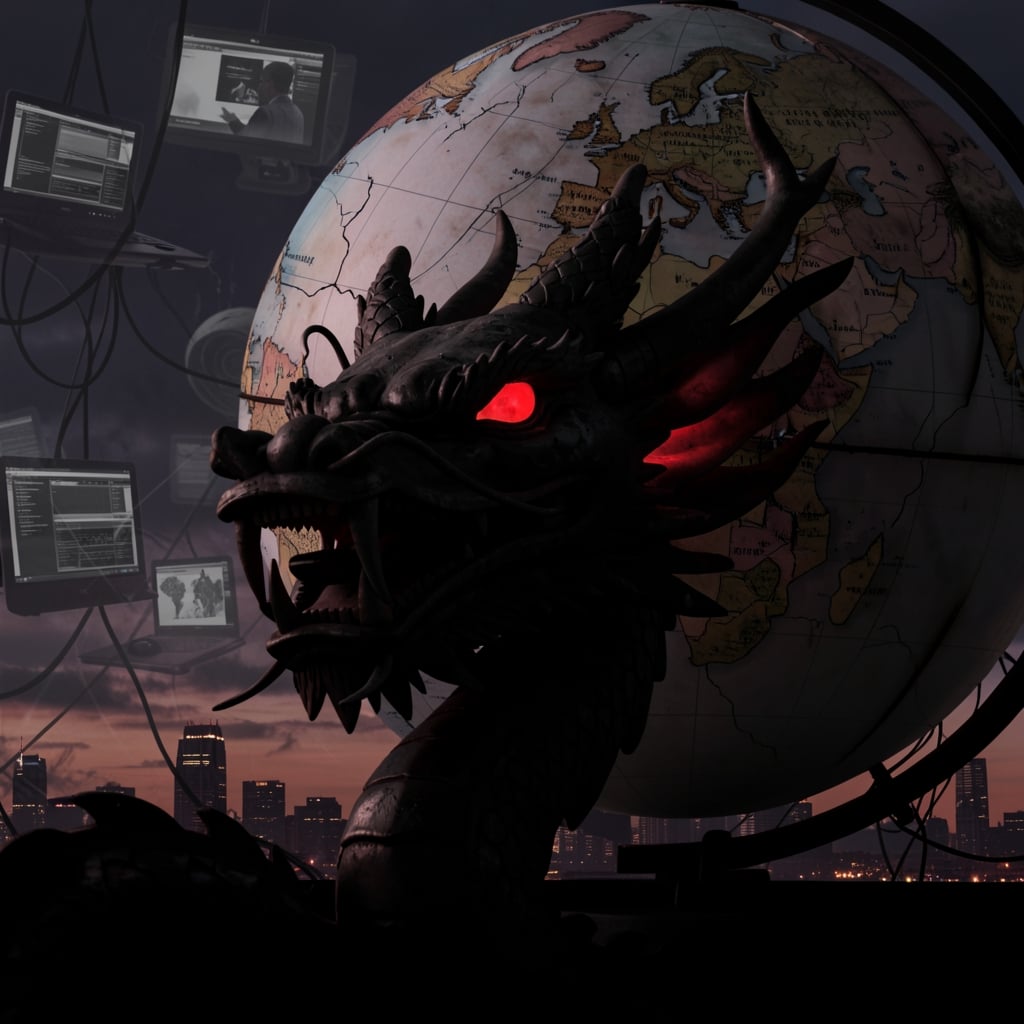
In its analysis, Proofpoint identified TA416 as an actor that had carried out targeted cyber espionage against European institutions. According to coverage in InfoSecurity Magazine, the company observed that the group's activity in Europe ceased in 2023. The timeline suggests a distinct operational shift: active campaigns, followed by a prolonged silence on that continent.
Proofpoint's reporting does not claim the group has disappeared globally. Instead, the firm documents a regional suspension of operations — a narrowing of focus that raises as many questions as it answers. Security vendors commonly track such patterns to infer intent, capability changes, or responses to defensive measures and diplomatic pressures.
Context and background: who is TA416 and why espionage matters
TA416 is one of several named threat clusters that cybersecurity firms attribute to state-directed intelligence collection. While naming conventions differ across vendors, the phenomenon is familiar: persistent, tailored campaigns directed at government ministries, diplomatic networks, research institutions and other targets of strategic value. The objective is straightforward — gather information and influence outcomes — but execution is technically complex and politically fraught.
State-backed cyber espionage is not a new feature of international relations. Western governments and private cybersecurity firms have documented long-running operations attributed to multiple nation-states. Intelligence collection via digital means complements traditional human intelligence, offering low-cost, deniable access to sensitive communications and data. For defenders, the challenge is that these campaigns are adaptive: tactics, techniques and procedures evolve in response to detection and mitigation.

This site is the portfolio.
OSINTSights runs on Cloudflare Workers, D1, R2, and Vectorize, with an AI pipeline on Hetzner ARM. Nubivance designed, built, and operates it. We do the same for clients.
See what we buildWhy a suspension in Europe matters — and why it may not mean much
A pause in activity by a single group can be interpreted in several, sometimes contradictory, ways. From one angle it is an operational success for defenders: improved detection, better incident response, tougher network hygiene and increased information-sharing across governments and vendors may have elevated the cost and risk of continuing operations in Europe.
From another angle, a suspension can be a strategic recalibration. State-backed actors often cycle through regions and objectives, focusing resources where return on effort is greatest or where an immediate policy requirement exists. A pause may reflect strategic priorities shifting to other theaters, the need to rebuild toolsets, or an operational pause while assessing the fallout from exposure.
Finally, there is the diplomatic and political dimension. Public attribution and sanctions can raise the stakes for continued operations in certain jurisdictions. Governments in Europe and beyond have increasingly made cyber intrusions a matter of public policy, sometimes responding with indictments, sanctions or expulsions that complicate covert activity.
Perspectives: technologists, policymakers, users and adversaries
- Technologists: For security teams, the suspension is a reminder that campaign patterns matter. Detection-led defense, threat hunting, and data-centric protections (encryption, strong access controls, multifactor authentication) remain essential. Vendors like Proofpoint play a role by surfacing indicators and tactics that enable defenders to harden email, gateway, and endpoint defenses.
- Policymakers: A regional pause invites decisions about attribution, deterrence and diplomacy. Should governments make silencing the campaign public and pursue punitive measures, or use the lull to press for norms and agreements? The trade-off between transparency and operational surprise remains contentious.
- Everyday users and institutions: The public should not interpret a vendor-reported pause as permission to relax. Nation-state actors shift tactics, including supply chain targeting and social engineering. Basic cyber hygiene — patching, least-privilege access, and vigilant handling of unsolicited messages — still reduces risk for organizations large and small.
- Adversaries: For the actors themselves, suspension is a tactical decision. They can retool, adopt new infrastructure, exploit third-party services, or escalate non-cyber means of influence. The operational toolkit available to sophisticated hacking groups is broad; absence in one region often coincides with activity elsewhere or the development of new approaches.
There are also systemic implications. A visible reduction in activity can change attacker economics and defender resource allocation. It may free defenders to focus on other threats, but it can also lull organizations into deprioritizing hardening efforts at the exact moment adversaries are innovating.
What to watch next
Key indicators that would clarify whether the pause is temporary or meaningful include renewed targeting of European domains, reuse of known infrastructure or a spike in related activity attributed to the same tools and procedures. Conversely, a sustained period without resurgence might indicate a longer-term strategic pivot.
Transparency from vendors and governments remains central. Detailed, timely threat intelligence lets defenders detect subtle return patterns and helps policymakers weigh the costs of diplomatic or technical responses. Proofpoint’s disclosure is part of that intelligence ecosystem: it signals a change in observed behavior, not a definitive end to the threat.
So, is the silence a victory or merely a reprieve? The safer answer is the one intelligence professionals have long favored: treat it as a window of opportunity to harden defenses and clarify policy — because in cyber, quiet rarely means harmless.
Source: InfoSecurity Magazine — Chinese Hackers Target European Governments in Espionage Campaigns



