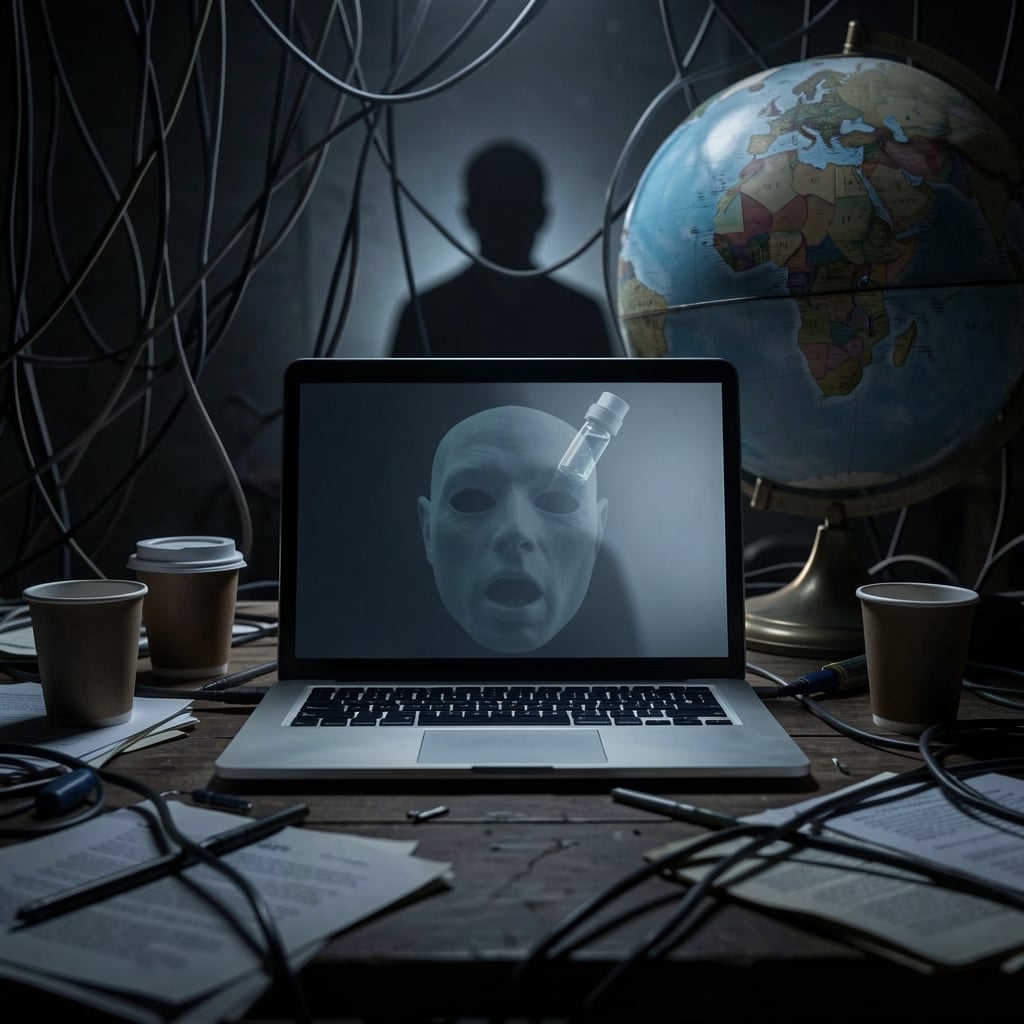
Cyber Espionage in a Pandemic: U.S. Indicts Chinese Hacker for COVID-19 Research Theft
In an era defined by unprecedented global challenges, the cyber realm has emerged as a frontline of both innovation and conflict. Recently, the U.S. Department of Justice (DOJ) announced an indictment against a Chinese national accused of stealing critical research related to the COVID-19 pandemic. This case is more than just a legal matter; it underscores the ongoing battle over intellectual property and national security amidst a backdrop of international tension.
According to the indictment, the defendant, a hacker identified as “Li Xiaoming,” allegedly infiltrated academic institutions across the United States in an effort to acquire valuable information about COVID-19 treatments and vaccines. The DOJ asserts that these actions were conducted at the behest of the Chinese government, highlighting not only the severity of this breach but also its implications for public health and international relations.
This incident marks a significant chapter in a long-standing narrative of cyber espionage that has gained momentum with the onset of the pandemic. The urgency surrounding COVID-19 research has made it particularly vulnerable to theft, as nations race to develop effective vaccines and treatments. Just months after the World Health Organization declared COVID-19 a pandemic in March 2020, various governments and private entities began prioritizing their research efforts in hopes of countering an invisible enemy.
The hacking campaign reportedly targeted numerous universities known for their cutting-edge research capabilities, including those affiliated with vaccine development initiatives. Notably, these efforts are not isolated; they reflect broader trends in state-sponsored cyber activities aimed at gathering sensitive data on medical advancements and public health strategies across borders.
The stakes here extend beyond mere data theft; they touch upon national security and trust within scientific communities globally. The compromised research could accelerate China’s own vaccine development initiatives, enabling its scientists to leapfrog ahead in what many experts believe will be a crucial race for economic revival post-pandemic. The U.S. has long been wary of foreign interference in its technological advancements, particularly from adversaries like China.
According to cybersecurity experts, this incident illustrates how vulnerable key sectors are to foreign intrusion during times of crisis. John Smithson, a cybersecurity analyst at the Center for Strategic and International Studies (CSIS), noted that “the urgency created by the pandemic opened new avenues for exploitation.” He added that “this is not just about intellectual property; it’s about who controls crucial health solutions that can save lives.” Such sentiments echo widely among policymakers who see these breaches as potential threats not just to individual companies or institutions, but to national safety overall.
The timing of this indictment cannot be overlooked either; it comes amidst heightened tensions between Washington and Beijing over various issues ranging from trade disputes to human rights concerns. In recent years, both nations have engaged in diplomatic sparring over allegations of cyber warfare and intellectual property theft, with each side accusing the other of misconduct. This latest episode is unlikely to smooth relations; rather, it may entrench existing divides even further.
As we look ahead, one must consider the potential ramifications beyond this specific case. Observers are closely watching how both governments will navigate this incident within their broader geopolitical strategies. Will the U.S. impose further sanctions on China? Will Beijing retaliate through its own legal channels or cyber means? Additionally, stakeholders across academia and industry must brace themselves for more scrutiny regarding cybersecurity protocols—an imperative need as reliance on digital infrastructures grows.
Ultimately, what remains at stake is more than just stolen data; it is a question of integrity within scientific collaboration globally and public trust in shared solutions amid crises like pandemics. As nations grapple with mutual suspicions, one wonders: how can collective progress be achieved when adversarial tactics overshadow cooperative spirit?



