[SPONSOREDNUBIVANCE]
Rapid7 deployed right the first time.
Full-platform Rapid7 rollouts - InsightVM, InsightIDR, event sources, agents, tuning - by a Registered Partner who has done it at state-agency scale, including OT/SCADA.
Talk deploymentThreat actor activity and indicators

The feds have issued a dire warning: AI-generated code is being used to actively threaten critical infrastructure controllers, putting industries like water, energy, and manufacturing at risk. This is a very real and present danger, not just a hypothetical threat.
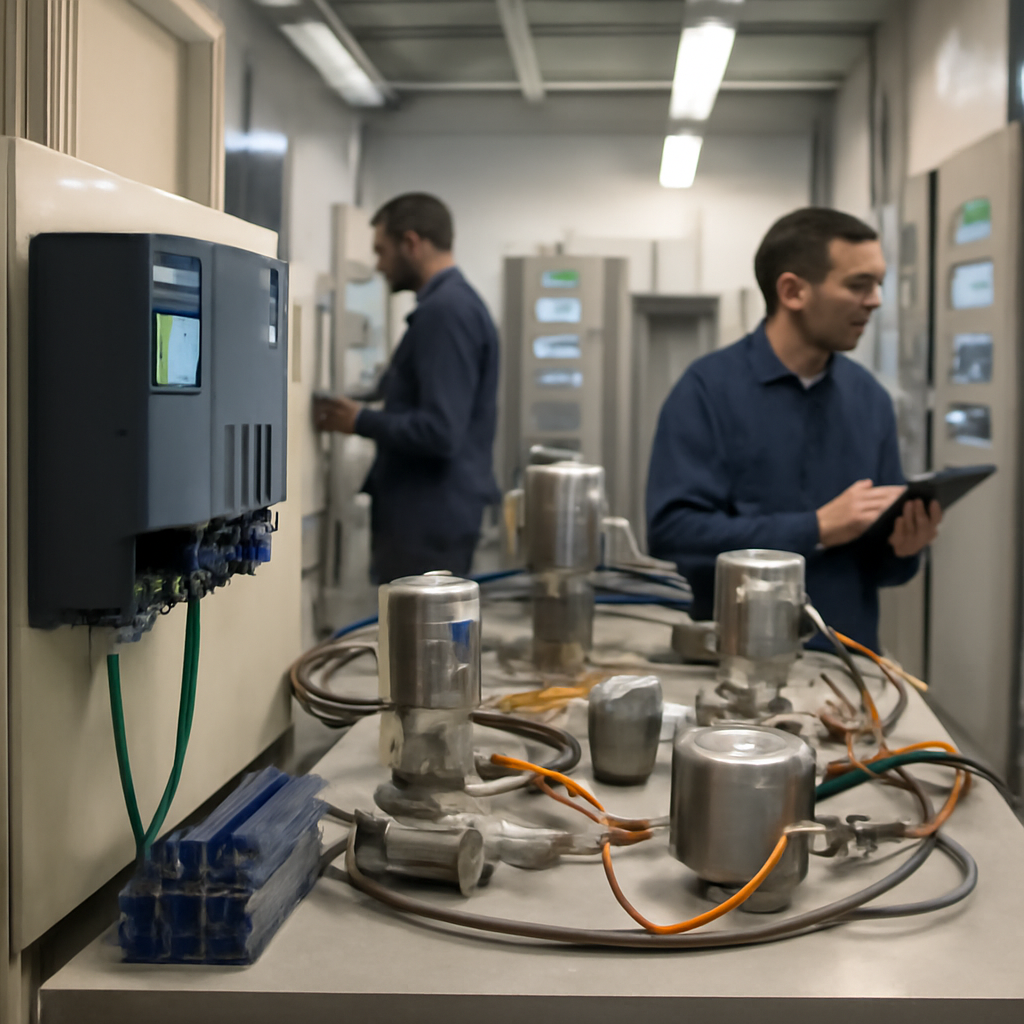
US agencies have sounded the alarm on a growing threat: hackers are using artificial intelligence to launch automated attacks on critical infrastructure, including factories, power plants, and water systems, by targeting Siemens PLCs. This active threat has prompted a joint warning from the NSA, CISA, FBI, Department of Energy, and Environmental Protection Agency.

The US Department of Justice has charged 17 Iranians with masterminding a massive, state-sponsored scheme to steal $3.4 billion worth of intellectual property from American universities, businesses, and government institutions. This brazen hacking operation allegedly involved a hacking-for-hire company called Mabna Institute.

The US has ramped up its pursuit of justice against Iranian hackers, expanding an indictment to charge 17 individuals affiliated with the notorious Mabna Institute, which allegedly compromised over 100,000 professors' email accounts worldwide. This move marks a significant escalation in the case, with eight new defendants added to the original 2018 indictment.

Meet Jewelbug, a notorious APT group that's been pulling off a double heist - stealing sensitive info and swindling victims out of crypto - all from the same interconnected operation. Their massive haul includes over 1 million implant check-ins and 580,000 stolen cookies, with targets spanning government systems and service providers across the Middle East, Southeast Asia, and South Asia.

Meet Jewelbug, a China-based hacker group that's been wreaking havoc with a dual threat of espionage and crypto fraud, leaving a trail of over a million compromised implant check-ins and thousands of stolen credentials in its wake. By cleverly injecting a single malicious script into a shared webmail template, Jewelbug gained write access to sensitive government webmail accounts, making off with valuable data.

Security researchers pulled off a clever experiment, creating a fake DeFi startup and hiring three suspected North Korean IT operatives to uncover the tactics used to secretly place foreign workers in companies, and were surprised to find that none exploited their access. The operatives cleared interviews, signed contracts, and were given access to a work virtual machine, but instead of breaching security, they seemed to be gathering intel.

Despite having relatively few recorded incidents, prompt injection tops the list of LLM threats due to the significant efforts and resources security teams invest in preventing it. This threat's prominence highlights the substantial risk it poses, even if it doesn't always make the public headlines.
Full-platform Rapid7 rollouts - InsightVM, InsightIDR, event sources, agents, tuning - by a Registered Partner who has done it at state-agency scale, including OT/SCADA.
Talk deployment
A recent cyberattack on US water systems, potentially linked to Iran, has sparked a heated debate, with some officials downplaying the incident and shifting blame. Fortunately, it appears that no significant damage was done, but the incident is still under investigation.

Fortunately, all affected US water systems continued to operate safely, with local operators swiftly addressing issues and resolving them without any public health concerns. Michigan and Georgia confirmed the cyberattacks, joining Minnesota in reporting hostile activity, but officials stress that there were no lasting impacts on public health.
The threat landscape is evolving at an alarming rate: AI is now being wielded as a powerful tool by cyberattackers, with a staggering 89% surge in AI-enabled attacks. This dual threat - where AI is both the weapon and the target - has adversaries leveraging AI agents at 2.5 times the rate of human-triggered threats.

CISA is sounding the alarm: if your water utility's programmable logic controllers are exposed to the internet, you're a prime target for cyberattacks - so take action now and remove them from public exposure to safeguard your operations.

Law firms are under siege from a new type of phishing attack, with AiTM phishing now accounting for 28.57% of initial access events in the sector, overtaking conventional credential theft as the top threat. This sophisticated attack method has become the go-to tactic for hackers, bypassing even multifactor authentication defenses.
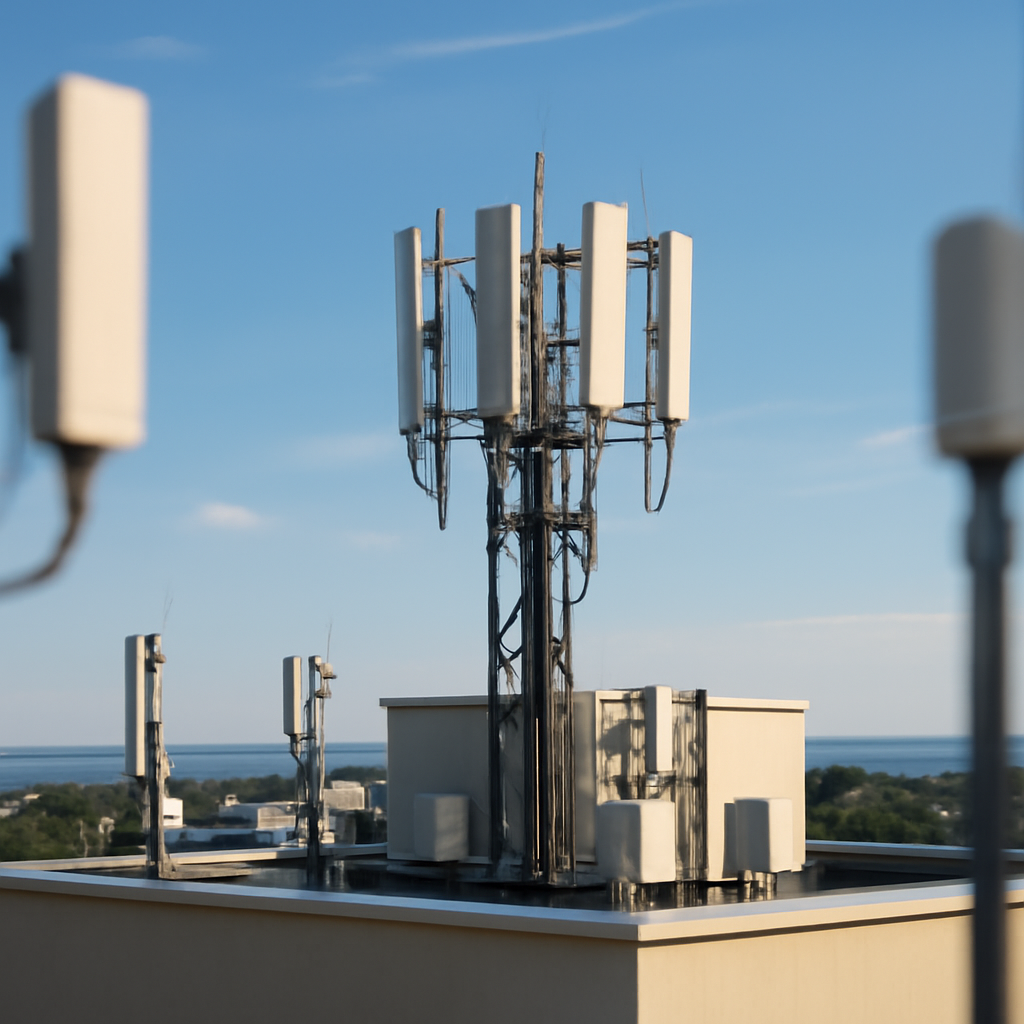
The US military's vulnerability to telecom attacks has been exposed, with numerous successful breaches resulting in stolen location data, intercepted communications, and even manipulation of American voters through text messages. This alarming threat isn't caused by a new malware strain, but rather a decades-old signaling system that underpins global telephony and has been left open to exploitation.

A coordinated cyberattack recently hit over 30 community water systems in Minnesota, prompting a swift response from state officials to ensure public health and safety. The Minnesota Department of Health is working closely with affected facilities to mitigate the impact and prevent any disruptions to drinking water supplies.

The FBI is sounding the alarm on a new threat: AI-powered vulnerability exploits that can target the very foundation of our digital infrastructure, including operating systems, security, web infrastructure, and encryption. This emerging threat has the potential to revolutionize the way law enforcement approaches cybersecurity.
Evidence in spreadsheets, controls drifting between audits, frameworks multiplying on flat headcount. Nubivance runs continuous compliance on Rapid7 Cyber GRC - SOC 2, HIPAA, ISO 27001, PCI, CMMC.
End the scramble
In a major crackdown, Europol and its partners have taken down 4,340 URLs linked to The Com, a notorious online network accused of radicalizing young people and facilitating illicit activity. This coordinated effort is part of a broader mission to protect vulnerable youth and disrupt the online ecosystem of recruiters and extortionists.

The US is cracking down on overseas cybercrooks by cancelling their visas, a move aimed at curbing the $10 billion+ in scams that defraud American citizens every year. This targeted approach will deny visas to foreign nationals involved in cybercrime, including those behind investment scams and sextortion schemes that prey on vulnerable victims.

Imagine having an invisible backdoor to your most sensitive information - that's what happened when China-backed hackers infiltrated private 5G networks, leaving no limits to what they could access or manipulate. Government agencies and cybersecurity experts warn that these threats, known as Salt Typhoon and Volt Typhoon, have been targeting US networks for years.

US cybersecurity authorities have issued a critical warning: Iranian hackers are now targeting a wider range of industrial control systems, including those from Schneider Electric and Siemens, beyond their previously known focus on Rockwell Automation/Allen-Bradley devices. This expanded threat alert urges companies to bolster their defenses against increasingly aggressive and opportunistic cyber attacks.

The US Cybersecurity and Infrastructure Security Agency (CISA) has issued a warning about Iranian hackers targeting Industrial Control Systems, specifically programmable logic controllers (PLCs) used in critical infrastructure organizations. This alert comes after the FBI observed malicious activity, including data manipulation and operational disruption, at a US-based facility.

The alarming reality is that 79% of attacks now occur without malware, forcing defenders to rethink their strategies and respond faster than ever. Traditional defenses are being outsmarted by clever tactics like credential theft and DLL side-loading, leaving organizations vulnerable to rapid breaches.

As AI continues to evolve, it's crucial to treat AI-driven threats as a top priority, as they can significantly accelerate and scale attacks. By leveraging AI, cyber attackers can speed up their operations, but their tactics remain familiar, including credential theft, phishing, and ransomware.

The FBI has struck a major blow against cybercrime by indicting three Russian nationals and two companies for operating bulletproof hosting services that enabled devastating attacks on US critical infrastructure. This significant move disrupts the backbone of cybercriminal operations, dealing a crucial win for online safety.