[SPONSOREDNUBIVANCE]
Rapid7 deployed right the first time.
Full-platform Rapid7 rollouts - InsightVM, InsightIDR, event sources, agents, tuning - by a Registered Partner who has done it at state-agency scale, including OT/SCADA.
Talk deployment
StopICE is warning users after an alarming incident: a suspected CBP agent allegedly sent unauthorized push notifications and texts falsely claiming users’ data were handed to authorities. The group says it doesn’t store usernames or addresses, but the scare shows how easily reporting can be intimidated.

If you get a frantic LastPass email demanding a 24‑hour backup, pause — its a phishing campaign trying to steal your master password, the single key that unlocks everything in your vault. Never click the links or enter your master password — LastPass will never ask for that.

Imagine your employee ID photo swapped in seconds and a stranger sounding exactly like your CEO — the World Economic Forum shows this isnt sci‑fi but a real, growing threat. Commercial deepfake tools can now defeat biometric and voice checks, turning familiar security cues into new attack vectors.

Dont let a quick scan be your undoing: the FBI warns that QR-enabled spear-phishing is turning everyday convenience into a precision tool for state-backed espionage, tricking victims into handing over credentials or approving authentications that give attackers persistent access.

Think an email from your CEO is safe? Microsoft 365 phishing campaigns now use cloud misconfigurations and device-code tricks to make external messages look internal and steal authentication tokens or MFA codes.

Think twice before tapping that text about an unclaimed tax refund or rewards — it could be a modern smishing trap. Commercial phishing kits now spin up lifelike checkout pages and spoof trusted senders to steal card data and convert it into fast, hard-to-trace mobile wallet cashouts.
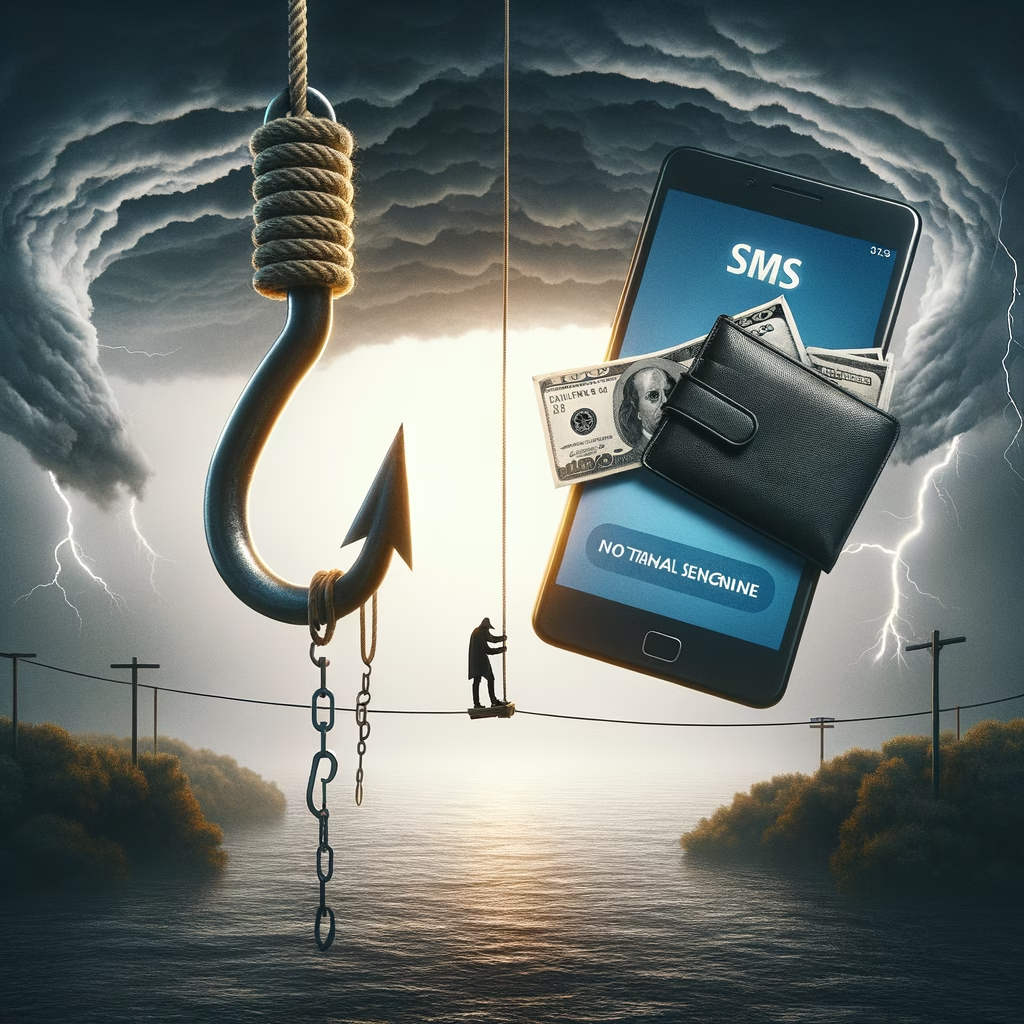
That “urgent package” or “unclaimed tax refund” text could be a smishing trap — attackers are now using turnkey phishing kits to steal card details and even slip them into Apple Pay or Google Wallet. With fake storefronts and rewards‑point bait, fraud looks more like legitimate tap‑to‑pay than ever.
When Rey — long the shadowy operator and public face of the Scattered LAPSUS$ Hunters — agreed to be identified and speak, the story shifted from faceless hacks to a real person whose groups social‑engineering tactics fueled costly data thefts. That rare revelation forces hard questions about motive, responsibility, and how we defend against attacks that prey on human error.
Full-platform Rapid7 rollouts - InsightVM, InsightIDR, event sources, agents, tuning - by a Registered Partner who has done it at state-agency scale, including OT/SCADA.
Talk deployment
One missed-package text emptied a persons bank account — and researchers warn SMS-based phishing (“smishing”) now converts stolen card data into Apple/Google Wallet tokens, turning your phone into a cash machine for criminals. Holiday shoppers and smartphone users: think twice before tapping links about deliveries, tolls, or tax refunds — these slick phishing kits make fraud fast and hard to undo.

When a reporter called his father and unmasked Rey, the public face of Scattered LAPSUS$ Hunters, it upended a group built on anonymity and exposed how social‑engineering, account takeovers and micropaid crowds power a new, scalable extortion playbook. The fallout forces a rare reckoning about motive, accountability—and the practical fixes defenders and regulators can’t ignore.

Think twice before you scan: the FBI warns North Korean hackers are using QR-based quishing to turn innocent-looking codes into multi-step traps that steal cloud credentials and bypass enterprise defenses.

QR codes have gone from handy shortcuts to attack vectors—North Korean actors are using QR-based phishing to steal cloud credentials by hiding multi-step payloads inside seemingly legitimate scans. The real question now isnt whether to scan, but how to verify what the square tells you.

When a recruiter asks for your LinkedIn password, it’s not hiring—it’s a trap. Learn simple, practical ways to spot fake job offers, protect your credentials, and keep your career and accounts safe from sophisticated scammers.

Exclusive: a Russian phishing campaign is circulating a stealthy ISO stealer — learn how it works and quick, practical steps to keep your data safe.

Think that calendar invite is safe? Threat actors are weaponizing calendar subscriptions—slipping phishing links, malware, or hidden instructions into benign-seeming invites hosted on trusted services, turning everyday convenience into a stealthy breach vector.

Black Friday scams are getting smarter—learn the three dangerous tricks scammers use and the simple steps you can take to protect your wallet and personal info.
Evidence in spreadsheets, controls drifting between audits, frameworks multiplying on flat headcount. Nubivance runs continuous compliance on Rapid7 Cyber GRC - SOC 2, HIPAA, ISO 27001, PCI, CMMC.
End the scramble
Patchable missteps meet crowd‑powered coercion: Scattered Lapsus$ Hunters are resurfacing with new phishing domains and social‑engineering tricks aimed at support tools like Zendesk. Compromised help‑desk credentials can give attackers an exclusive backdoor into customer and corporate data—so small lapses can have big consequences.

Imagine a voicemail that sounds exactly like your daughter begging for help — only its a scam. The FBI warns cheap AI tools are fueling a surge of hyper‑personalized phishing scams that have already cost victims hundreds of millions and can fool individuals, businesses, and banks alike.

Think that bank-looking text is really from your provider? Smishing Triad attackers now pair believable sender IDs with lookalike Egyptian domains, SIM farms and hijacked devices to harvest credentials and bypass 2FA—one click can mean compromise.

Heads up — don’t paste that “Windows fix” command: a slick new scam uses fake CAPTCHAs and cloned sites to trick users into running malware that gives attackers persistent access to otherwise patched PCs.

Identity fraud has entered a new era: generative AI churns out eerily lifelike voices and videos that let scammers impersonate bosses, loved ones and officials with uncanny accuracy. As these deepfake-enabled schemes become cheaper and harder to spot, individuals and businesses must rethink how they verify trust.
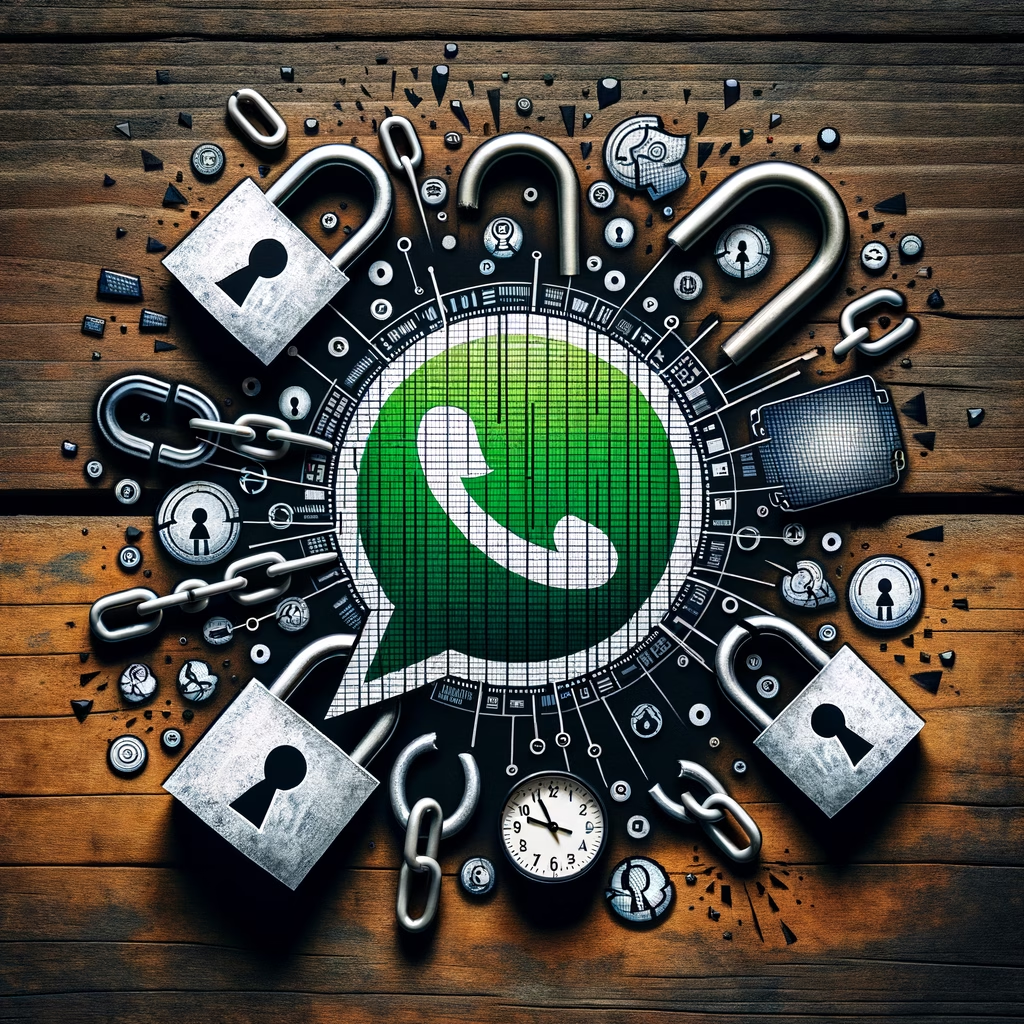
CISA warns that commercial spyware and remote‑access trojans are being used to compromise Signal and WhatsApp—often via social engineering and sideloaded apps—turning everyday messaging into a gateway for stolen messages, media and device data.
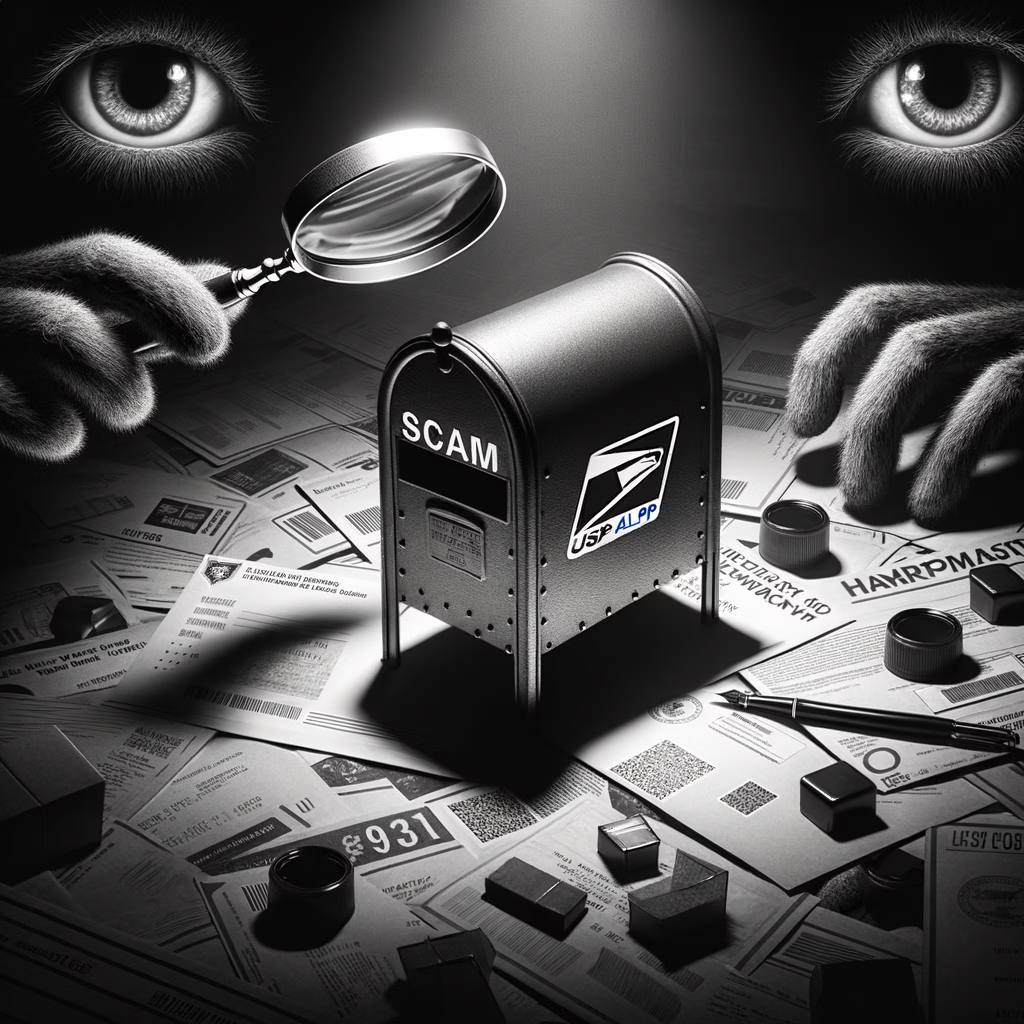
Think that text really came from the USPS? Modern phishing kits let crooks spin up convincing alerts and fake sites in minutes, turning routine delivery notices into money-stealing traps — this guide shows the clear red flags so you don’t get fooled.

CTM360 exposes HackOnChat, a clever and dangerous campaign that clones WhatsApp Web to trick users into revealing authentication codes and handing over their accounts. With thousands of malicious URLs and coordinated fronts, this WhatsApp account hijacking operation is alarmingly scalable and hard to takedown.