[SPONSOREDNUBIVANCE]
Rapid7 deployed right the first time.
Full-platform Rapid7 rollouts - InsightVM, InsightIDR, event sources, agents, tuning - by a Registered Partner who has done it at state-agency scale, including OT/SCADA.
Talk deployment
Think face recognition is foolproof? The startling, often dangerous failures of these systems expose privacy, security, and fairness risks we can’t ignore.

Face recognition has surged in the lab, but in the real world it too often fails the people who need it most: those with visible facial differences are being locked out of phones, services and identities. These aren’t hypothetical glitches — they’re real barriers that amplify stigma and deepen unequal access.

Think satellite traffic is secure? Think again. Vast amounts travel unencrypted, leaving privacy, safety, and critical systems worryingly exposed.

When a government pivots a digital ID from an anti-illegal-work tool to a convenience, citizens are left asking who — and what — it really protects. Slogans won’t fix the real risks: mission creep, exclusion, and centralised personal-data vulnerabilities that only careful design and legal limits can address.

Heads up: the Trump administration is using AI to scan public social media posts by noncitizens and feed algorithmic flags into visa‑revocation decisions. What began as quiet open‑source monitoring has become a high‑stakes tool that can cost people their legal status.

Imagine a government tool meant to spot foreign threats quietly sweeping up Americans’ posts and using those snippets to deny visas, jobs, or the right to return — now three unions, backed by the EFF, are suing to stop a program they say chills speech, lacks transparency, and lets algorithms punish dissent without due process.

Imagine losing a visa over a tweet: a new Brookings report reveals how AI-driven social-media surveillance for visa enforcement risks chilling speech, making costly errors, and turning public expression into grounds for punishment. It’s a wake-up call to ask who watches the watchers and demand clearer rules, transparency, and safeguards.

Think twice before posting: U.S. agencies increasingly use AI to scan social media and can turn a sarcastic tweet or protest photo into grounds for visa revocation. This shift from manual monitoring to opaque algorithmic decision-making warns that free expression, due process, and basic safeguards for noncitizens are suddenly at risk.
Full-platform Rapid7 rollouts - InsightVM, InsightIDR, event sources, agents, tuning - by a Registered Partner who has done it at state-agency scale, including OT/SCADA.
Talk deployment
Imagine a world where a joke or complaint could trigger visa revocation — that’s now a real risk as U.S. agencies turn automated social‑media scans into tools for immigration enforcement. The Brookings report warns this scale and machine‑driven scrutiny can misread context, chill speech, and impose life‑altering consequences without clear oversight.

A misconfigured Outlook calendar invite from Cifas accidentally exposed dozens of fraud-prevention professionals’ email addresses — a simple slip with potentially serious consequences. It’s a wake-up call that default-private settings, group aliases and basic training aren’t optional if we want to protect the people who protect us.
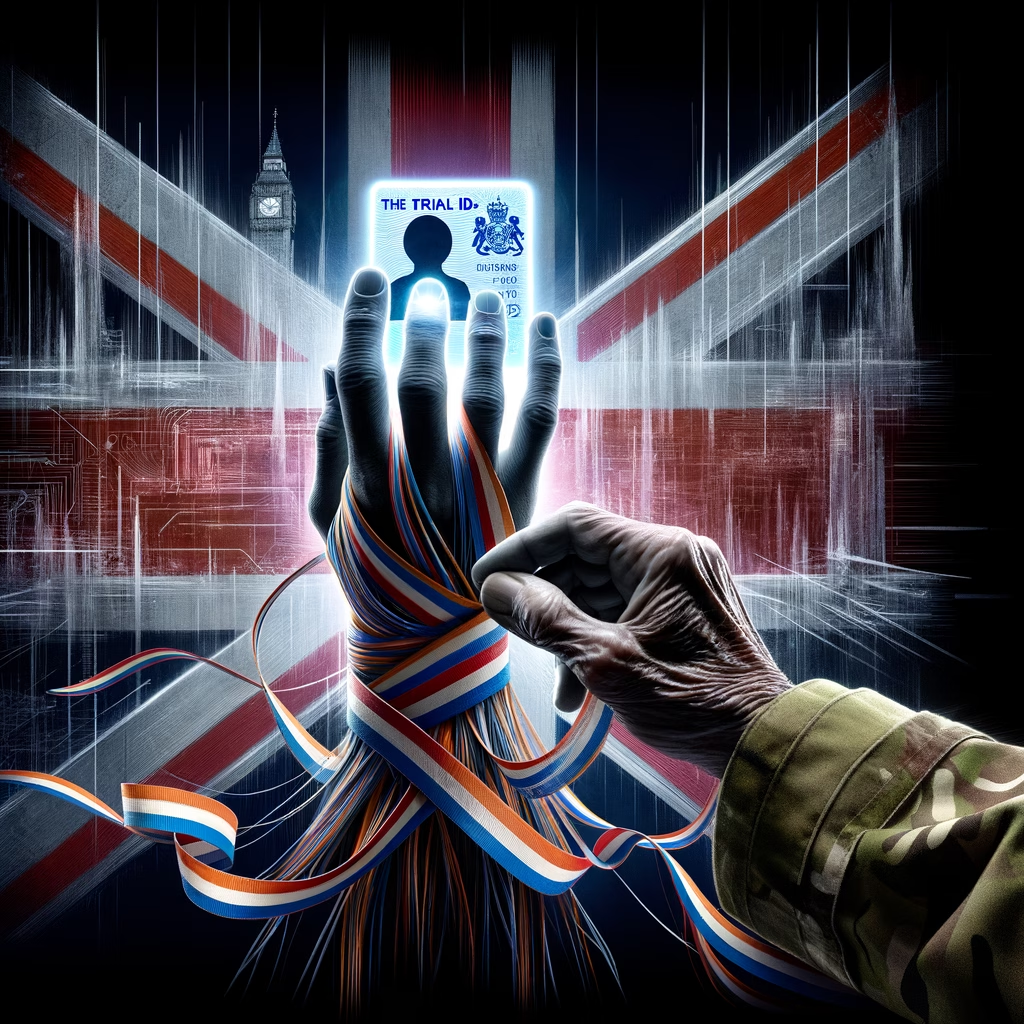
The UK is recruiting Armed Forces veterans to pilot a national digital ID — a practical and symbolic test of whether a secure, user-friendly system can win public trust or instead expose privacy and inclusion pitfalls.

Three U.S. labor unions, backed by the EFF, sued the Trump administration over a social‑media surveillance program they say lets officials flag and punish immigrants or visa applicants for political speech, risking a chilling effect on online dissent. The case asks courts to halt opaque, automated screening practices that critics say arbitrarily target viewpoints and deny due process.

Mozilla is inviting a small, random group of Firefox users to beta-test a built-in VPN — a move that could make strong, browser-level privacy effortless but also raises big questions about speed, jurisdiction, and transparency. Help shape whether Firefox’s integrated VPN becomes a trusted, user-friendly shield or just another half-measure.

What was meant to speed travelers through the Schengen area instead triggered 90‑minute queues at Prague, as faulty scanners, integration hiccups and shaky fallback plans laid bare the risks of a rushed rollout. The episode is a wake‑up call: better testing, redundancy and clearer contingency training are needed if the EES is to win back travelers’ time — and trust.

Retired Navy veteran Lee Schmidt and co-plaintiff Crystal Arrington say they were tracked hundreds of times by Flock’s automated license-plate readers, sparking a federal lawsuit that asks whether neighborhood safety tools have quietly become mass surveillance. As courts and communities wrestle with warrantless access, the case highlights how searchable location logs can map our every move — and why many call for stronger limits and transparency.

Germany has put the brakes on the EU’s controversial “Chat Control” device‑scanning plan, turning a behind‑closed‑doors tech debate into a public showdown over encryption, privacy and how far governments should go to fight child abuse. Its opposition could stall client‑side scanning and forces Brussels to choose whether to prioritize citizens’ privacy or new surveillance powers.
Evidence in spreadsheets, controls drifting between audits, frameworks multiplying on flat headcount. Nubivance runs continuous compliance on Rapid7 Cyber GRC - SOC 2, HIPAA, ISO 27001, PCI, CMMC.
End the scramble
We keep pasting customer names, order numbers and card details into ChatGPT because it’s fast — but one casual prompt can lead to fines, fraud and lost trust. Make safe AI the easy choice: use sanctioned tools, DLP and clear rules before your next prompt.

The Home Office is exploring a £60m market engagement to build a centralised app that taps the UK’s ANPR network—promising faster alerts and smarter investigations while sparking vital debates about privacy, oversight and security.

The UK says its new digital ID will be optional — a welcome reassurance after a 2.76 million-signature petition — but critics warn voluntariness won’t mean much without strong legal safeguards, inclusive design and independent oversight. Whether it stays a genuine choice or becomes a de facto requirement will come down to implementation, privacy protections and how businesses adopt the system.

Think “free VPN” means safe? A Zimperium study shows many no-cost VPN apps harbor serious flaws that can leak your data or let attackers intercept traffic — so choose reputable, audited services or risk trading privacy for peril.
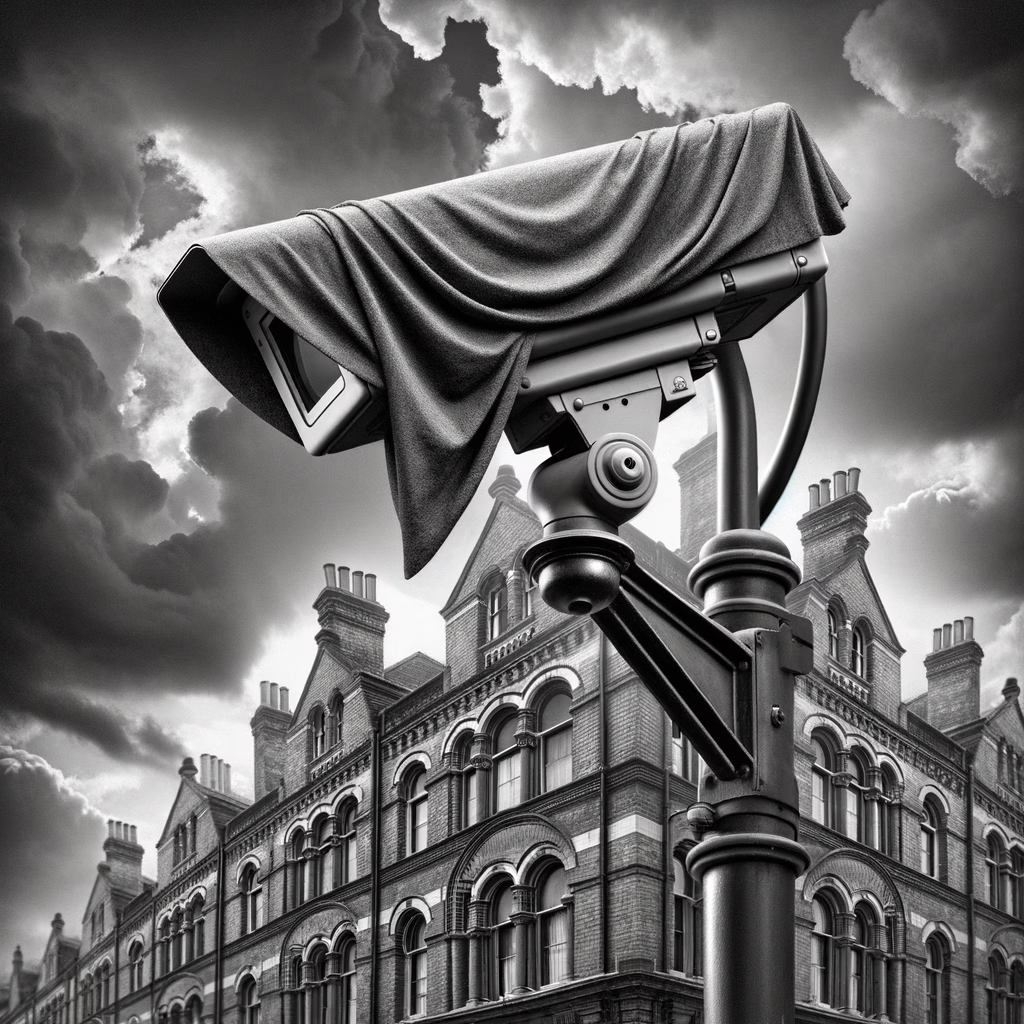
The government is encouraging police to try live facial recognition after the Met praised its Croydon deployment, but with courts and privacy watchdogs raising legal and bias concerns, ministers will publish guidance instead of forcing a nationwide roll‑out.

Can the UK roll out a mandatory digital ID while trust, politics and privacy norms are in flux — or will a rushed plan deepen exclusion and surveillance risks? This debate matters because the right mix of design, legal limits and public buy-in could make everyday life easier, but the wrong choices could erode rights and trust for years.

Britain plans to issue government-backed digital IDs to all legal residents and may require them for right-to-work checks by 2029—promising faster hiring and fraud reduction but raising real concerns about privacy, exclusion and security. As the deadline approaches, lawmakers, employers and civil society must nail down safeguards to ensure the system helps people rather than locks them out.

Starting next month the EU replaces passport stamps with a biometric Entry/Exit System that will record faces and fingerprints of short‑stay visitors to 29 Schengen countries. Officials say it will speed up checks and curb overstays — but privacy advocates warn it could expand surveillance and put sensitive data at risk.