





Malware & Ransomware

Dimly lit server room with eerie laptop screen glow showing shadowy suited figure.

Gentlemen Ransomware Gang Taps SystemBC for Botnet Attacks

Imagine your business's infrastructure being hijacked and turned into a fleet of malicious proxies - it's a harsh reality that's now hitting home for over 1,570 corporate victims who've fallen prey to the Gentlemen ransomware gang's SystemBC botnet attacks. Their compromised systems are being used to run proxy services for the malware, leaving defenders scrambling to respond.

Analyst 207
Dark scene with broken padlock, circuit boards, and laptop screen displaying malicious model file in shadows.

SGLang Flaw Enables Remote Code Execution via Malicious Model Files

A single malicious file can become a powerful gateway for attackers to run arbitrary commands on vulnerable machines - and a newly disclosed flaw in SGLang, CVE-2026-5760, reveals just how easily this can happen through specially crafted GGUF model files. This highly severe vulnerability, scoring 9.8 out of 10.0, enables remote code execution on systems that trust it.

Analyst 207
Smartphone screen displays fake crypto wallet with cracked screen, coins, and padlock in shadows.

Malicious iOS Apps Expose Crypto Users to FakeWallet Threat

Beware of scammers on the official app store: over 20 fake cryptocurrency wallet apps were recently discovered on the Apple App Store, masquerading as legit software to steal user credentials and secrets. These malicious apps, dubbed FakeWallet, put unsuspecting crypto users at risk of losing their digital assets.

Analyst 207
Dark, misty scene with shattered spider web, cracked laptop, and scattered coins, hinting at cryptocurrency heist.

Scotland's Scattered Spider Affiliate Pleads Guilty in US Cryptocurrency Heist

A Scottish affiliate of the notorious Scattered Spider cybercrime crew has pleaded guilty in the US to stealing at least $8 million in cryptocurrency through a cunning phishing and SIM-swap scheme. This guilty plea raises a pressing question: what can $8 million buy in the shadowy world of digital theft?

Analyst 207
Dimly lit control room with computer screens and machinery, eerie shadows cast by flickering fluorescent light.

ZionSiphon Malware Targets Water Infrastructure Systems becomes ZionSiphon Malware Infiltrates Water Infrastructure Systems

Imagine malware that's not just a data thief, but a menacing force that can map and disrupt the very plumbing of a city - that's the alarming reality of ZionSiphon, a malicious tool targeting water infrastructure systems with sabotage and scanning capabilities. This sinister malware can scan, disrupt, and wreak havoc on operational-technology water systems, posing a significant threat to public safety.

Analyst 207
Shadowy figure looms behind a laptop displaying maze-like code, with a torn template and tangled wire in the foreground.

Formbook Malware Exploits Obfuscation to Evade Detection

Staying one step ahead of threats just got tougher: Formbook malware's latest campaign combines DLL side-loading and obfuscated JavaScript to expertly evade detection. This sneaky tactic allows it to remain hidden, making it a formidable foe in the cybersecurity landscape.

Analyst 207
Darkened office with eerie shadows, a laptop displaying ominous code and a cracked smartphone, with a ghostly figure in the…

Malware Campaigns Exploit Trusted Channels for Internal Access

Instead of smashing down the front door, attackers are now sneaking in by exploiting trusted channels and misdirecting trust - a subtle yet effective tactic that's leaving defenders, regulators, and users scrambling to respond. This quiet approach to breaching security is a growing concern, with multiple incidents revealing a common pattern of adversaries using third-party components to gain internal access.

Analyst 207
Dark surveillance room with glitchy screens, dusty equipment, and a cracked DVR device with exposed wires.

Mirai Botnet Exploits DVR Flaw in TBK Devices

A Mirai-based malware campaign, known as Nexcorium, is actively exploiting a critical vulnerability (CVE-2024-3721) in TBK DVR devices, posing immediate risks to device owners and network defenders. This alarming development raises crucial questions about operational security and cyber risk management.

Analyst 207
Lone figure in hoodie sits at laptop with code on screen, surrounded by symbols of cybercrime.

British Hacker Pleads Guilty to Crypto Theft Charges

A British hacker, allegedly the mastermind behind the notorious Scattered Spider cybercrime collective, has pleaded guilty to wire fraud and aggravated identity theft charges in a US court, dealing a significant blow to the shadowy network. This guilty plea marks a major win for law enforcement and raises important questions about the future of cybercrime and online security.

Analyst 207
Dripping faucet over cracked earth with dimly lit control room and devices in background.

Malware Targets Israeli Water Systems with Precision Attacks

A newly discovered malware strain called ZionSiphon is threatening Israeli water systems with precision attacks, leaving experts concerned about the vulnerability of critical infrastructure. This sophisticated code can infiltrate and manipulate the machines that control pumps and filters, putting a city's taps at risk.

Analyst 207
Shadowy figure looms over laptop with chatbot interface as syringe hovers above, surrounded by shattered glass and torn…

Prompt Injection Attacks Target AI Systems with Alarming Frequency

Imagine a simple question that can outsmart a secret-keeping system - it's happening more often than you'd think, as prompt injection attacks use cleverly crafted language to trick AI models into spilling their secrets. By manipulating conversational inputs, these attacks can get supposedly secure AI bots to reveal sensitive information.

Analyst 207
Dark surveillance room with glitchy monitors, a lone flickering TV, and scattered broken DVR devices.

Mirai Variant Exploits Flaw in TBK DVRs for Botnet Expansion

Security researchers have uncovered a sneaky tactic where hackers are exploiting vulnerabilities in outdated devices like TBK digital video recorders and TP-Link Wi-Fi routers to spread Mirai-variant malware and grow their botnets. This latest threat highlights the risks of leaving old tech unpatched and unprotected.

Analyst 207
Shadowy figure in a hoodie sits in front of laptop with distorted cityscape on screen, hands near keyboard and phone nearby.

Ransomware Exploits QEMU VMs to Evade Endpoint Security

Malicious software can now secretly launch a virtual machine inside your computer, allowing it to evade detection and phone home to its operator - a chilling new tactic that exposes weaknesses in traditional endpoint defenses. This stealthy approach, recently spotted in the Payouts King ransomware, uses the QEMU emulator to create a hidden virtual machine and bypass security measures.

Analyst 207
Dark cityscape with glowing laptop, broken shields, and exposed circuits.

Microsoft Defender Zero-Days Exploited in Active Attacks

Microsoft's top security tool, Defender, has been turned against itself: hackers are exploiting three newly discovered flaws to gain elevated access to already compromised systems, forcing a major rethink of what we thought was safe. This alarming development has defenders, users, and policymakers scrambling to reassess their security assumptions.

Analyst 207
Shattered computer screen reflects globe amidst stormy cityscape and tangled cables.

FBI and Europol Disrupt Global DDoS-For-Hire Networks

In a major crackdown, the FBI and Europol joined forces to dismantle global DDoS-for-hire networks, seizing infrastructure, detaining suspects, and warning those who've used these malicious services. The operation, dubbed Operation PowerOff, marks a significant blow to those behind these anonymous internet attacks.

Analyst 207
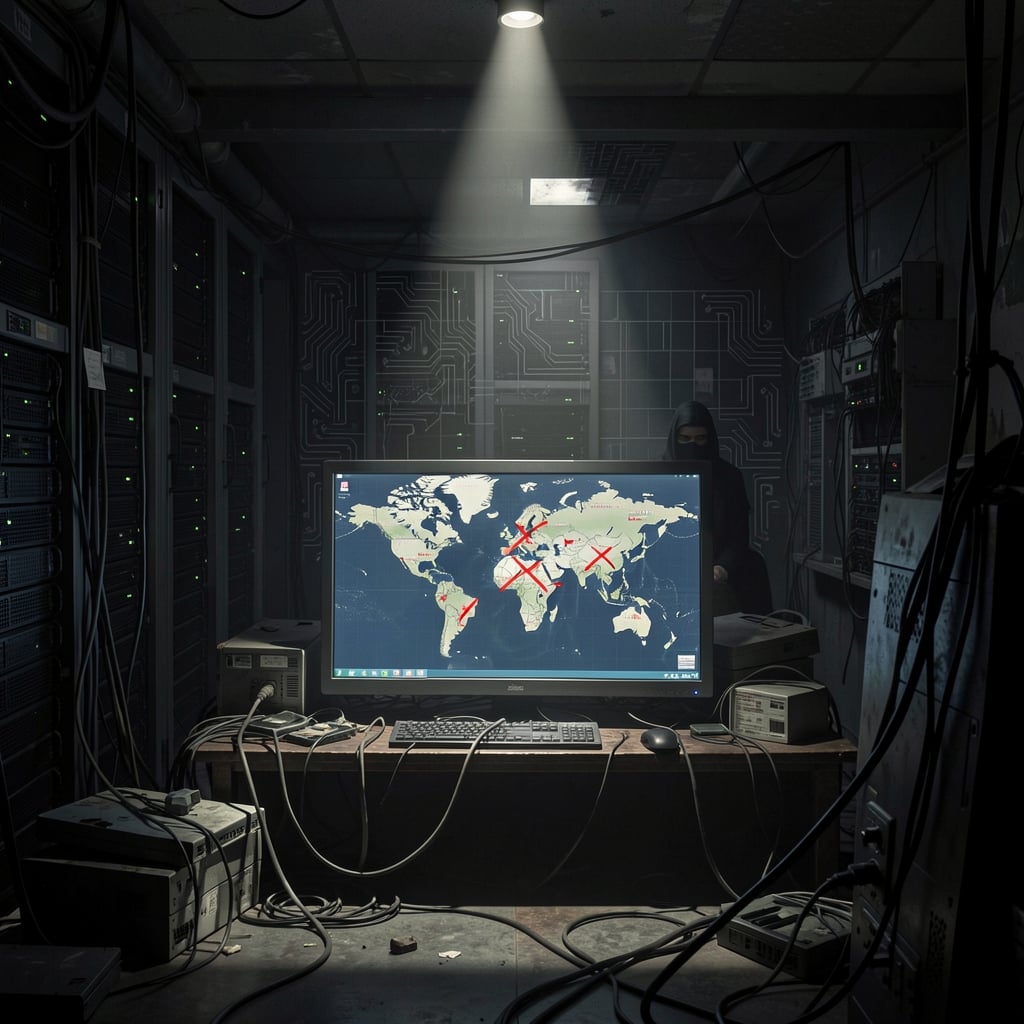
Dimly lit server room with spotlight on a globe map marked with red X's.

Operation PowerOFF Disrupts 53 DDoS Domains, Uncovers 3 Million Criminal Accounts

In a major blow to cybercrime, international authorities have shut down 53 domains used to sell DDoS attacks, disrupting the services of over 75,000 cybercriminals and uncovering a staggering 3 million illicit accounts. This operation marks a significant victory in the fight against digital disruption.

Analyst 207
Dimly lit alleyway with shattered windowpane, symbolizing vulnerability and exploitation.

Leaked Windows Zero-Days Exploited in Targeted Attacks

Cyber attackers are exploiting newly disclosed Windows flaws in targeted attacks, allowing them to gain alarming levels of system control before organizations can patch the vulnerabilities. This alarming window of opportunity leaves defenders scrambling to respond.

Analyst 207
Dimly lit server room with a lone, flickering router on a worn desk surrounded by tangled cables.

Mirai Botnet Targets TP-Link Routers via CVE-2023-33538 Exploits

Your home router could be a ticking time bomb, vulnerable to exploitation by malicious actors - in fact, a known weakness (CVE-2023-33538) in TP-Link routers has already been targeted by the notorious Mirai botnet. Is your small but mighty box at risk of becoming a launchpad for someone else's agenda?

Analyst 207
Dimly lit control room with flickering light, laptop screen showing distorted digital landscape, and broken water pipe with…

Malware Targets Water Treatment Systems with Sabotage Capabilities

Meet ZionSiphon, a new and alarming type of malware designed to sabotage water treatment systems by stopping the flow of water, posing a significant threat to operational technology in these environments. This malicious software is purpose-built to disrupt, rather than spy or steal, highlighting a chilling new risk for the industry.

Analyst 207
Worker surrounded by broken computer equipment in dimly lit office with cityscape visible through grimy window.

PowMix Botnet Targets Czech Workers with Randomized C2 Traffic

Cybersecurity researchers have uncovered a sneaky new botnet, dubbed PowMix, that's targeting Czech workers with a clever tactic: hiding in the timing of its command-and-control traffic. This stealthy approach has left experts scrambling to respond to the active campaign, which has been observed since December 2025.

Analyst 207
Person in hoodie sits before laptop with cityscape, fishing rod hooks crypto symbol amidst scattered papers.

Operation Atlantic Disrupts $45 Million Crypto Phishing Fraud

In a shocking turn of events, Operation Atlantic successfully disrupted a massive $45 million crypto phishing fraud, putting a stop to a large-scale scam that had been wreaking havoc on unsuspecting victims. This stunning breakthrough highlights the ongoing battle to protect the crypto ecosystem from malicious threats.

Analyst 207
Darkened server room with blinking servers and shattered computer screen showing ghostly cityscape.

Authorities Disrupt 53 DDoS-for-Hire Domains in Global Crackdown

In a major global crackdown, authorities have seized 53 domains linked to notorious DDoS-for-hire services, dealing a significant blow to online disruption. This bold move, part of Operation PowerOFF, also put over 75,000 alleged cybercriminals on notice to cease their malicious activities.

Analyst 207
Dimly lit room with a laptop displaying swirling code, eerie shadows, and a ghostly cityscape in the background.

Hackers exploit Marimo flaw to spread NKAbuse malware via Hugging Face

Hackers are exploiting a critical flaw in Marimo's reactive Python notebook to spread a new variant of NKAbuse malware, sneaking malicious payloads onto Hugging Face Spaces, a popular platform for sharing machine learning models. This alarming attack highlights the need for vigilance when it comes to defending against malware disguised as code-sharing tools.

Analyst 207
Cracked smartphone lies on torn Android manual with shadowy hacker looming in background, surrounded by glowing code.

Malware Exploits APK Flaws to Evade Android Static Analysis

Malware developers have found a sneaky trick to evade detection on Android devices, exploiting APK flaws to hide their malicious code from static analysis - and over 3,000 malware samples have already adopted this tactic. This widespread technique allows malware to fly under the radar, posing a significant threat to Android users.

Analyst 207