





Malware & Ransomware

Brightly-lit office setting with computer workstation and calendar showing May 13, 2050 date.

HollowGraph Malware Exploits Microsoft Graph for Stealthy C2 Comms

Meet HollowGraph, a sneaky malware that hijacks Microsoft 365 calendars to secretly receive commands and steal data, using a clever dead-drop technique to stay under the radar. It creates seemingly innocuous calendar events with cryptic titles and attachments to covertly communicate with its masters.

Analyst 207
Empty office with laptop on desk, blurred screen, in front of cityscape window and subtle calendar display.

HollowGraph Malware Exploits Microsoft 365 Calendar for Covert C2 Channel

Meet HollowGraph, a sneaky espionage implant that hijacks Microsoft 365 calendars to secretly communicate with its operators, never even touching an attacker-controlled server. By masquerading as a harmless calendar event, HollowGraph quietly receives instructions and sends stolen data under the radar.

Analyst 207
Server room with rows of computer servers and a lone laptop with a blank screen.

JadePuffer Unleashes AI-Targeted Ransomware with Data Wiping Capabilities

In a chilling display of cyber sophistication, JadePuffer unleashed a devastating ransomware attack that not only locked up data but also boasted data-wiping capabilities, leaving a trail of destruction in its wake. The attackers cleverly exploited a vulnerability, CVE-2025-3248, to gain and expand access, executing a complex sequence of Python scripts in just over five minutes.

Analyst 207
Dimly lit computer workstation with laptop, empty screens, and a glowing USB drive.

Cruciferra Crypter Evades Detection With Advanced Obfuscation Tactics

Meet Cruciferra, the notorious crypter dubbed the underground's most lethal tool, and learn how its creators are using advanced obfuscation tactics to evade detection across dozens of malware campaigns. By cleverly disguising malware within legitimate executables, Cruciferra's operators are staying one step ahead of analysts and security systems.

Analyst 207
Laptop on office desk shows Microsoft 365 calendar with blurred cityscape in background.

Malware Hides in Microsoft 365 Calendars via HOLLOWGRAPH Campaign

Meet HOLLOWGRAPH, a sneaky malware that's hiding in plain sight - using Microsoft 365 calendars to pull off a highly targeted espionage threat. This compact implant is reading and writing secret messages, all while masquerading as a harmless calendar event.

Analyst 207
Quiet university setting with laptop and papers on a clean desk near a window.

AI Model Crafts Complex WordPress Exploit Chain in Hours

In just a few hours, a cutting-edge AI model crafted a complex exploit chain for WordPress, leveraging two recently disclosed core vulnerabilities without needing any preconditions or plugins. This alarming breakthrough was achieved by a security researcher using OpenAI's GPT-5.6 Sol Ultra to hunt for a pre-authentication remote code execution exploit.

Analyst 207
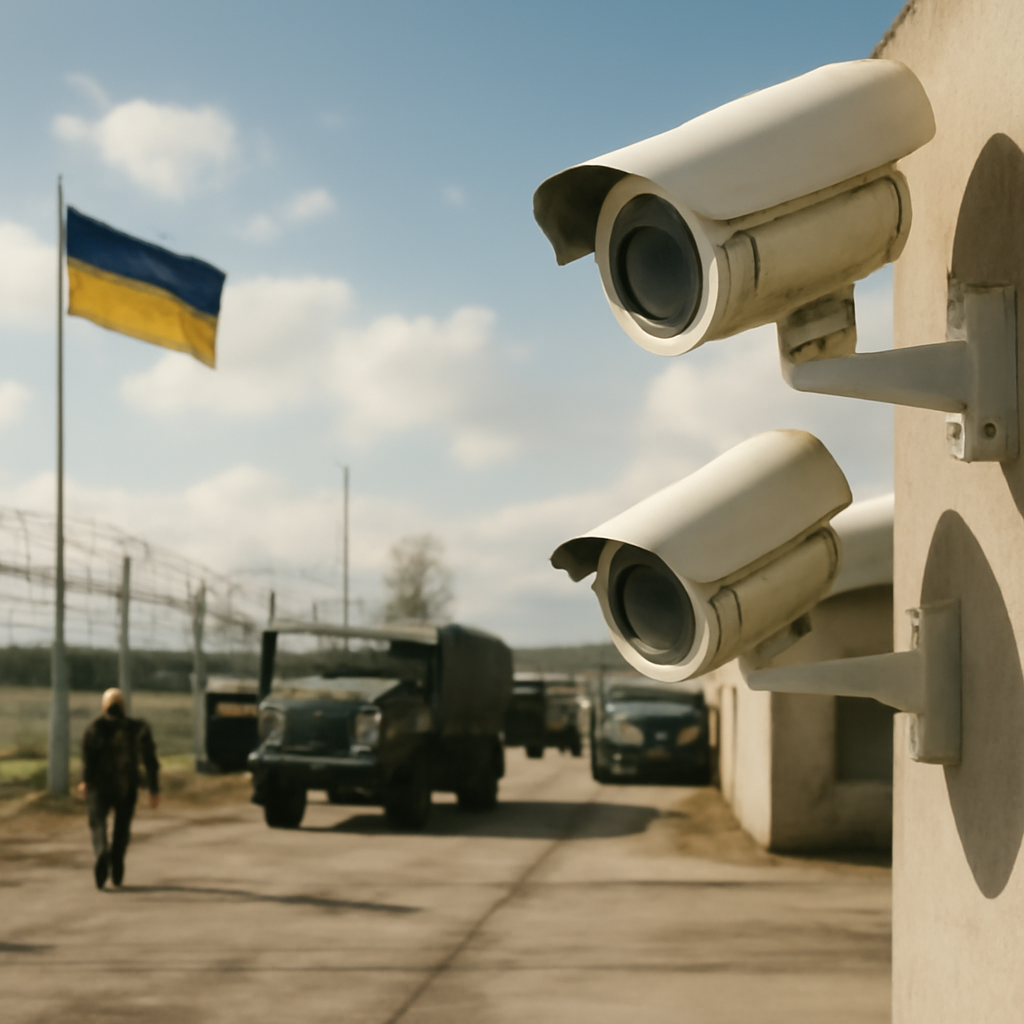
Military logistics area under surveillance by IP cameras in Ukraine.

Russian Hackers Exploit IP Cameras to Spy on NATO, Ukraine Military Logistics

Russian hackers are exploiting internet-connected security cameras to spy on NATO and Ukraine's military logistics, with over 87,000 cameras across the EU and Ukraine vulnerable to a known exploit. This alarming operation, revealed by Dutch intelligence, has left sensitive sites exposed to Russian surveillance.

Analyst 207
Laptop screen displays blurred Microsoft 365 calendar in office setting with notebook and pen nearby.

HollowGraph Malware Exploits Microsoft 365 Calendars for Covert C2 Communications

Meet HollowGraph, a sneaky new Windows malware that's exploiting Microsoft 365 calendars to secretly communicate with hackers, using trusted services to hide in plain sight. This highly targeted threat can turn a compromised calendar into a covert channel for stolen data and malicious instructions.

Analyst 207
Modern tech facility with a lone computer workstation in the foreground.

Russian Hacker Exploits Google AI to Control Botnet

A solo Russian hacker, going by the name "bandcampro", cleverly exploited Google's AI tool to build a sneaky botnet operation that was incredibly lightweight, consisting of just three plaintext files totaling 5 KB. This made it easy to replicate and dispose of, allowing the hacker to stay one step ahead.

Analyst 207
Formal law enforcement setting with a professional person in front of a government building interior backdrop.

UK Police Chiefs Push for Cybercrime Risk Orders After TfL Hack

The UK's National Crime Agency has hailed a major cybercrime case as its most complex investigation to date, after two men were jailed for their role in the massive TfL hack, and is now calling for new powers to tackle the growing threat of cybercrime. The case has sparked renewed demands for Cybercrime Risk Orders to help manage and mitigate cyber risk.

Analyst 207
Network device with multiple cables on a rack in a brightly-lit operations room.

SonicWall SMA Zero-Days Exploited to Gain Root Access

A newly identified threat actor, UTA0533, has been caught exploiting zero-day vulnerabilities in SonicWall SMA VPN appliances to gain root access, using custom malware and other sophisticated tactics. This alarming attack was uncovered during an incident response in July, with two compromised appliances detected in a single environment.

Analyst 207
Dimly lit workstation with worn laptop showing distorted CAPTCHA prompt amidst clutter and broken office supplies.

Russian Hackers Exploit ClickFix CAPTCHAs to Spread Malware in Ukraine

Ukraine's Computer Emergency Response Team (CERT-UA) warns that Russian hackers, part of the notorious Sandworm group, are using manipulated CAPTCHAs to trick victims into downloading malware, specifically targeting Ukraine with data-stealing attacks. They've been linked to a series of social engineering scams that spread malware through legitimate websites.

Analyst 207
Concerned IT professionals stand in front of rows of computer servers and networking equipment in a brightly-lit network…

Hackers Exploit ViPNet Software to Target Russian Government Agencies

A sophisticated cyber attack, dubbed HelloNet, has been targeting high-profile Russian organizations, including government agencies, energy companies, and educational institutions, since at least May. The hackers are exploiting a popular networking software to deliver a powerful proxy and loader, allowing them to gain a foothold and spread their reach.

Analyst 207
A laptop sits open on a low table in a modern corporate office lobby.

Microsoft Warns of ACR Stealer Malware Surge Targeting Enterprise Customers

Microsoft warns of a surge in ACR Stealer malware attacks targeting enterprise customers, using clever social-engineering tactics and legitimate Windows tools to steal sensitive info. The malware, described as a malicious-as-a-service operation, has seen a significant spike in attacks between late April and mid-June.

Analyst 207
Security analysts examine a laptop screen in a brightly-lit security operations center with rows of computer servers in the…

GoldenEyeDog Exploits DigiCert Breach for Code-Signing Certificates

In a chilling example of malware mastery, the GoldenEyeDog group exploited a DigiCert breach to snag code-signing certificates, which they then used to cloak their malicious software in a veneer of legitimacy. This brazen heist highlights the group's cunning and capabilities, which have been under scrutiny since at least 2015.

Analyst 207
Dimly lit server room with rows of racked servers and networking gear.

NadMesh Botnet Targets Exposed AI Services for Cloud Credentials

Meet NadMesh, a sneaky botnet on the hunt for cloud credentials, with its operators claiming to have already amassed 3,811 unique AWS keys; but is its reported success just a facade?

Analyst 207
Handcuffed young men escorted by a stern-looking officer outside a UK courthouse.

UK Sentences Scattered Spider Members to 66 Months for Cyberattacks

In a major cybercrime crackdown, two young men have been sentenced to 66 months in jail for their role in a 2024 cyberattack that crippled Transport for London's network operations. Thalha Jubair and Owen Flowers were arrested and pleaded guilty, marking a significant win for the UK's National Crime Agency after nearly two years of investigation.

Analyst 207
Office email workstation with laptop, papers, and supplies under ordinary lighting.

AI Spam Filters Vulnerable to Text Salting Attacks

Over 1 million retail-themed phishing emails have been detected using a sneaky technique called text salting to evade AI spam filters since April. This clever trick hides harmless words in malicious messages, fooling automated scanners but not the human eye.

Analyst 207
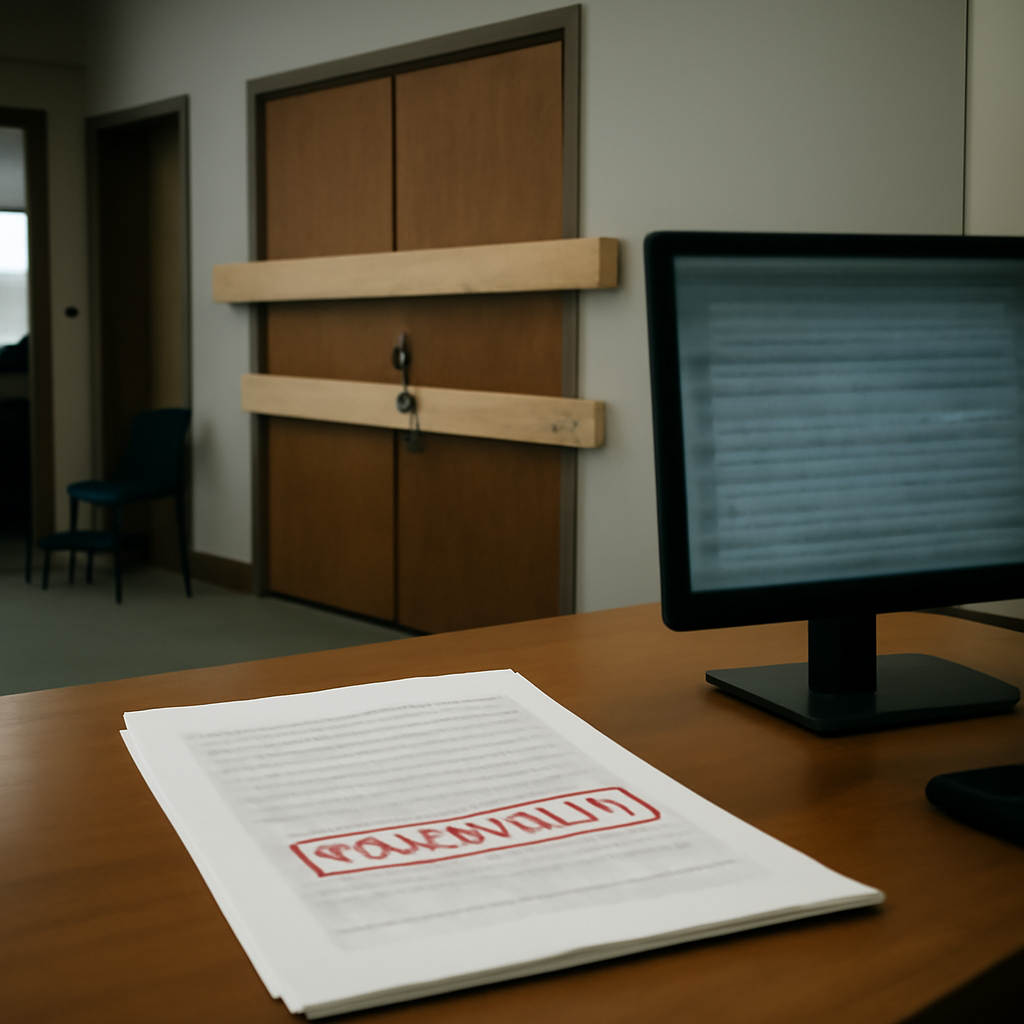
Government office with a barricaded door and encrypted computer screen.

Ransomware Targets Government Agencies Daily, Study Reveals

Government agencies are under attack, with ransomware hitting a staggering 187 organizations in just six months - that's one body disrupted every single day, on average. This alarming trend is up 13% from the previous half-year, leaving public services vulnerable and citizens at risk.

Analyst 207
A coding test setup in a brightly-lit computer lab with a laptop and blank screen.

North Korean Hackers Exploit Coding Tests with Steganography-Laced Malware

North Korean hackers are targeting software developers with a sneaky malware attack, hiding steganography-laced payloads in coding tests to steal sensitive data and cryptocurrency. This latest campaign, tracked as REF9403, is just another example of the DPRK's relentless pursuit of valuable information.

Analyst 207
Cluttered, dimly lit room with laptop on worn desk, surrounded by papers and household items.

Carders Seek 'Clean' Residential Proxies to Evade Fraud Controls

Criminals are on the hunt for so-called "clean" residential proxies, a new classification that's emerged in the underground world of payment fraud and carding. These proxies are prized for their spotless usage history, making them harder to detect and allowing scammers to evade fraud controls.

Analyst 207
Man led away by border officers in airport departure hall.

US Misidentifies Russian Hacker in Extradition Bid

A Russian man named Aleksandr Ermakov has been wrongly detained in an Armenian jail on a US extradition request, with his lawyers claiming he is not the REvil ransomware suspect the US is actually after. His family and lawyers are now racing against time to clear his name and prevent his deportation to the US.

Analyst 207
Formal office setting with laptop, papers, and pen on a desk near a window overlooking a cityscape.

GoSerpent Malware Targets Southeast Asian Governments for Espionage

A stealthy cyber threat, known as GoSerpent, has been secretly targeting Southeast Asian governments and diplomats since late 2025, with the goal of gathering sensitive intelligence. This sophisticated malware has been evolving, with a new set of malicious tools deployed as recently as May 2026.

Analyst 207
Windows laptop on a desk in a home office with a person's hands on the keyboard.

Windows Zero-Day Exploit LegacyHive Grants Hackers Admin Privileges

A security researcher, known as Nightmare Eclipse, has uncovered a new Windows zero-day exploit called LegacyHive, which can grant hackers admin privileges with just a few simple steps and some standard user credentials. This alarming vulnerability targets the Windows User Profile Service, putting users at risk of serious security breaches.

Analyst 207