Emerging Threats

Netherlands Disrupts Russian Cyber Operations with Server Seizure
Dutch authorities have struck a major blow against Russian cyber operations, seizing 800 servers and making several arrests in a crackdown on a web hosting ecosystem accused of enabling cyberattacks, disinformation campaigns, and other malicious activities. This coordinated law-enforcement action aims to disrupt the cyber threat landscape and protect democracy and security.
Ghostwriter Exploits Ukraine Government with Prometheus Phishing Malware
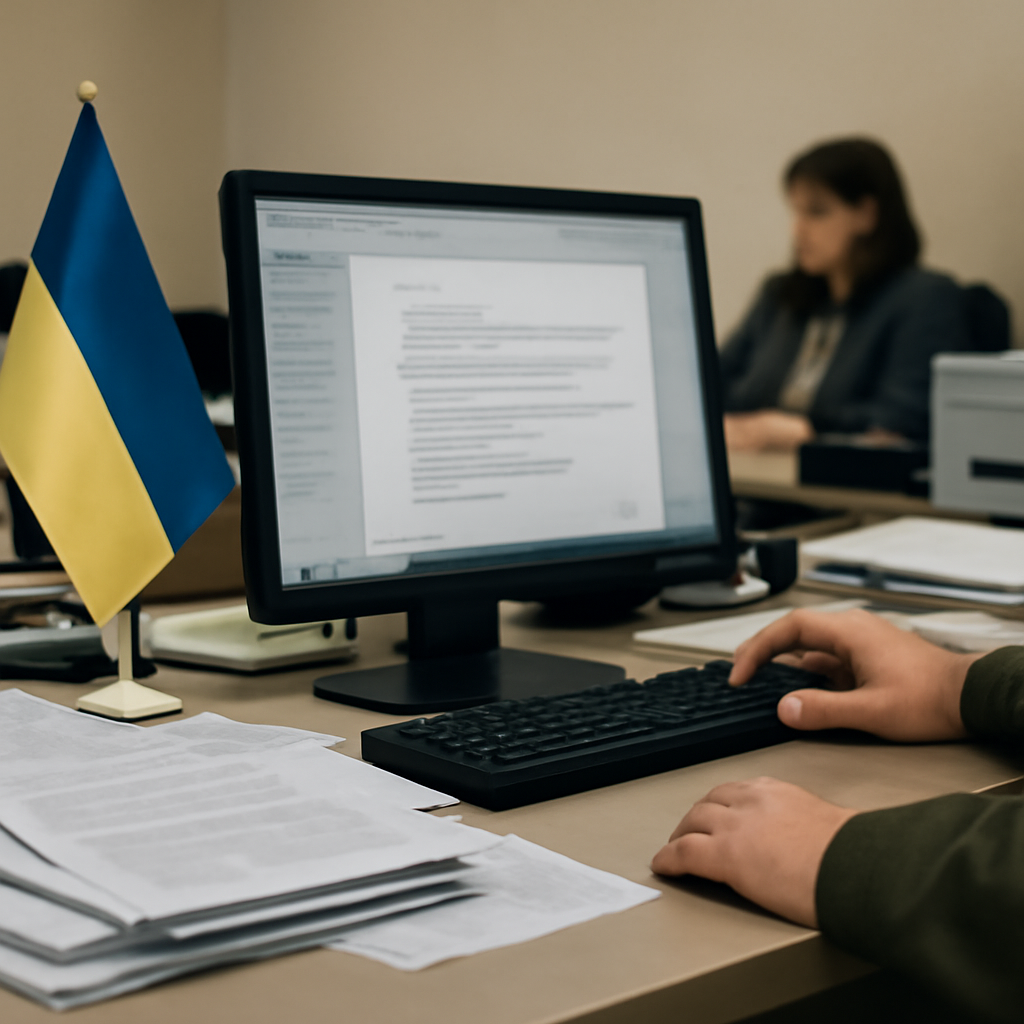
Malicious actors known as Ghostwriter have launched a cunning phishing campaign targeting Ukraine's government, using emails that appear to come from trusted sources and contain links to a seemingly harmless learning platform, Prometheus. These emails contain a hidden threat that can download malware onto victims' devices.

Nation-State Actors Exploit ROADtools in Cloud Attacks
Cloud attackers are now leveraging ROADtools, a publicly available toolkit, to exploit vulnerabilities in cloud tenants, allowing them to persist, discover, and evade defenses with ease. This dual-use framework's ability to speak Entra ID and Microsoft Graph makes it a red flag for defenders to take notice.

Iran-nexus APT Expands Espionage Ops with New RAT Variants
Unit 42 researchers have uncovered a sophisticated espionage campaign by an Iran-linked threat group, dubbed Screening Serpens, which has deployed six new remote access Trojan (RAT) variants to target entities across the US, Israel, and the Middle East. These variants, part of two distinct malware families, signal a significant expansion of the group's cyber spying operations.

Cloud Atlas Expands Arsenal with New Tools, Payloads
Cloud Atlas is beefing up its toolkit with fresh tools and payloads, including a blast from the past - the notorious CVE-2018-0802 Microsoft Office Equation Editor vulnerability. The group is also reviving its use of ZIP archives with malicious LNK shortcuts that trigger PowerShell scripts, keeping security experts on high alert.

Trend Micro Discloses Apex One Zero-Day Exploited in Attacks
A critical zero-day vulnerability, CVE-2026-34926, has been discovered in Trend Micro's Apex One on-premises server, allowing pre-authenticated local attackers to inject malicious code - and it's being actively exploited in attacks. Federal agencies have been ordered to patch affected systems ASAP, with a deadline of June 4, 2026.

GitHub Megalodon Attack Targets Repos with Malicious CI/CD Workflows
In a shocking six-hour blitz on May 18, 2026, attackers unleashed a massive supply-chain campaign dubbed "Megalodon," pushing 5,718 malicious commits to 5,561 GitHub repositories. The sneaky assault mimicked routine CI maintenance, using fake author names and convincing commit messages to deceive victims.

Drupal Sites Targeted in SQL Injection Attacks
Drupal sites are under attack as SQL injection exploits are now being detected in the wild, taking advantage of a vulnerability that can be triggered without authentication. This critical flaw, CVE-2026-9082, allows attackers to execute arbitrary SQL and potentially run remote code, putting sites that use PostgreSQL at risk.

Cyber Thieves Exploit SEO to Spread Infostealers via Fake AI Sites
Cyber thieves are using clever SEO tricks to spread infostealers through fake AI sites, targeting enterprise users and developer workstations with a potent mix of imitation and in-memory malware. This brief but potent campaign has been meticulously planned, with malicious domains deployed as early as March 2026.

Trump Mobile Website Exposed Thousands of User Records
A shocking security lapse has been uncovered on the Trump Mobile website, allegedly exposing thousands of users' sensitive information, according to a report by The Register. The breach claim, made by a techie, raises serious concerns about the website's data protection measures.
Canada Arrests Kimwolf DDoS Botnet Operator in US-Led Crackdown
In a major cybercrime crackdown, a 23-year-old Canadian man, Jacob Butler, has been arrested and charged with operating the notorious Kimwolf DDoS botnet, which targeted vulnerable devices like digital photo frames and web cameras. If convicted, Butler faces up to 10 years in prison for aiding and abetting computer intrusion.

US Charges Suspected Kimwolf Botnet Admin in Global Crackdown
In a major global crackdown, 23-year-old Jacob Butler, aka "Dort", has been arrested in Ottawa and charged with running the notorious KimWolf botnet, which infected nearly 2 million devices and fueled some of the largest DDoS attacks on record. Butler now faces extradition to the US and serious consequences for his alleged role in the massive cyber operation.

CISA Flags Actively Exploited Langflow, Trend Micro Vulnerabilities
The Cybersecurity and Infrastructure Security Agency (CISA) has sounded the alarm on two major vulnerabilities, CVE-2025-34291 and CVE-2026-34926, currently being exploited by hackers, and is requiring federal agencies to patch them by June 4, 2026. These weaknesses, found in Langflow and Trend Micro Apex One, could allow attackers to take control of systems and execute malicious code.

Botmaster 'Dort' Arrested in Canada, Charged in US Over Kimwolf Botnet
A 23-year-old Canadian man, known online as "Dort," has been arrested and charged for masterminding the massive Kimwolf botnet, which was linked to record-breaking DDoS attacks of nearly 30 Terabits per second. The suspect, Jacob Butler, is now in custody awaiting an initial court hearing.

Canada Arrests Suspect Tied to Kimwolf Botnet Operation
In a major breakthrough, Canadian authorities have arrested 23-year-old Jacob Butler, aka "Dort", for his alleged role as a key administrator of the notorious Kimwolf botnet operation, which infected over 2 million Android TV devices worldwide. The arrest marks a significant step in the fight against one of the most widespread distributed-denial-of-service (DDoS) botnets on record.

Google Exposes Unfixed Chromium Flaw Details
A security researcher just blew the whistle on a glaring Chromium flaw that Google thought was fixed - but still works, putting tens of thousands of users at risk of a botnet attack. The exploit, first reported in 2022, allows malicious websites to remotely execute JavaScript on unsuspecting devices.

Europol Disrupts Major Cybercrime VPN Service
Europol's bold operation has taken down a notorious VPN service used by cybercriminals to hide their tracks, seizing key infrastructure and sowing disruption among ransomware operators, fraudsters, and data thieves. This major win for cybersecurity could lead to further investigations and prosecutions, thanks to the treasure trove of data on thousands of threat actors.

GitHub Breach Exposes 3800 Repositories via Poisoned VS Code Extension
A malicious Visual Studio Code extension, Nx Console, was briefly listed on official registries and used to breach GitHub, exposing approximately 3,800 internal repositories to unauthorized access. The popular extension, with 2.2 million installs, was compromised for just 18 minutes, but long enough to cause significant damage.

World Cup Scams Target Security Leaders with AI-Driven Threats
As the 2026 World Cup approaches, security leaders are on high alert for AI-driven scams that could compromise corporate devices and accounts, especially when employees use them for personal activities like hunting for tickets or booking travel. Even personal emails can become a threat vector, making effective cybersecurity planning more crucial than ever.

Linux Malware Showboat Targets Telecom with SOCKS5 Proxy Backdoor
Meet Showboat, a sneaky Linux malware that's targeting telecom systems with its powerful SOCKS5 proxy backdoor, allowing hackers to spawn remote shells, transfer files, and carry out covert operations. This modular menace can quietly infiltrate and take control, making it a major threat to Linux systems.

Chinese hackers infiltrate telcos with Showboat, JFMBackdoor malware
Chinese-aligned hackers have been secretly infiltrating telecommunications providers across Asia Pacific and the Middle East since mid-2022, using sneaky malware like Showboat and JFMBackdoor to stay under the radar. They even used a clever "hide" command to conceal their digital footprints on infected machines.

Crypto Drainers Evolve Into Sophisticated Service Platforms
Meet the modern Drainer-as-a-Service model, where affiliates supply victims through phishing links and fake websites, while the service handles the technical heavy lifting, including signatures, approvals, and token transfers, with operators taking a 20% commission from successful scams. This sophisticated platform is a far cry from ad-hoc phishing, with a business model that's both lucrative and alarmingly efficient.

Attackers Expose Plaintext Passwords of 46k Myspace Users
A shocking data breach has exposed the plaintext passwords of 46,000 Myspace users, putting their online security at risk. This alarming leak, linked to a 2021 security incident, also reveals email addresses and other sensitive credentials.

Law Enforcement Disrupts First VPN Service Tied to Ransomware Attacks
In a major cybercrime crackdown, law enforcement agencies have dismantled a notorious VPN service used by ransomware attackers, seizing 33 servers and taking its domains offline in a coordinated operation across 27 countries. The takedown of First VPN, a so-called "no-logs" provider, has dealt a significant blow to threat actors behind ransomware and data theft campaigns.