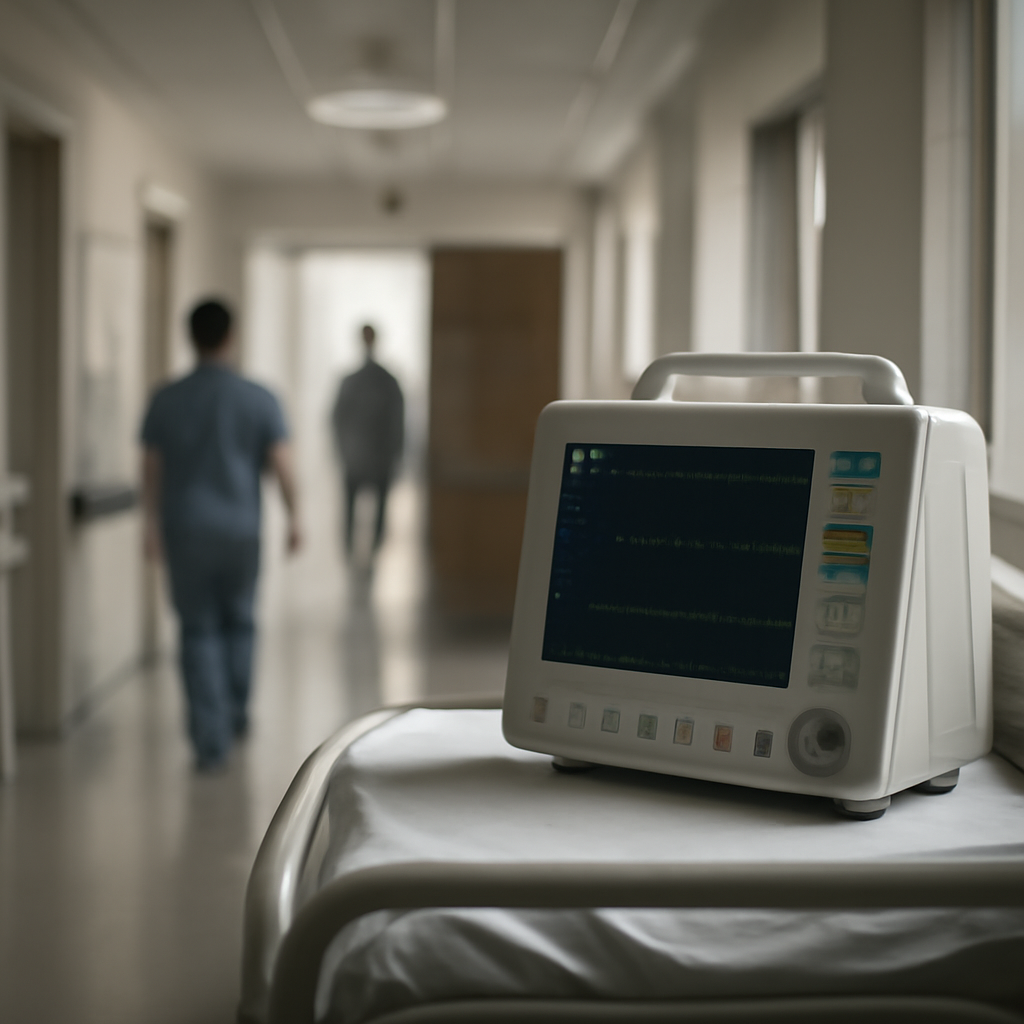
Medical-device security and the privacy of clinical monitoring data have been thrust into the spotlight by a June 16, 2026 report at The Register alleging a security failure involving a cardiac monitor maker and the attention of data thieves.
Cardiac monitor maker's security
The Register's June 16 story uses the stark phrase that the cardiac monitor maker's "security skips a beat," framing the event as a breakdown in protections around medical monitoring systems. The published headline — which pairs that description with the image of attackers "going for the jugular" — communicates that the reporting attributes both a security lapse and an active interest from data thieves to this vendor. Beyond that headline language, the public record supplied here does not name the manufacturer, quantify the exposure, or enumerate the specific technical failures.
Data thieves go for the jugular
The sharp figurative language in the report — data thieves "go for the jugular" — indicates the story characterizes the adversary as targeting sensitive medical-related information or systems. The headline alone signals that criminals were either observed attempting to access or successfully accessing assets tied to cardiac monitoring. The article headline thus acts as the primary, explicit claim: a vendor making cardiac monitors experienced compromised security and attracted malicious actors.

The cyber insurance questionnaire just landed. Now what?
SOC 2, HIPAA, insurance renewals - someone has to own security strategy. Nubivance provides fractional CISO leadership without the full-time salary.
Get a security leadHow this lands for patients and clinical providers
Clinicians and patients are the implicit first-order victims when device security is reported to fail. The Register's account makes clear that a cardiac monitor vendor's security posture became a matter of public concern; even without granular technical detail, that is enough to prompt clinicians and care organizations to review procurement, data handling, and incident communications related to monitoring systems supplied by third parties.
How this lands for technologists and security teams
Security and engineering teams working on medical devices and clinical IT will read the headline as a call to re-evaluate both device hardening and vendor engagement processes. The Register's report — by asserting both a security skip and adversary interest — reinforces the need for teams to validate vendor attestations, ensure timely patching and telemetry, and confirm incident-response arrangements with suppliers of monitoring equipment.
Operational and procurement consequences
Even without additional details in the publicized item, the consequences are evident at an operational level: hospitals and health systems sourcing monitoring equipment will likely place renewed emphasis on contractual security requirements, breach notification timelines, and risk assessments tied to third-party firmware or cloud services. The Register's headline-driven claim will therefore be a practical trigger for procurement reviews and for legal or compliance teams to verify supplier risk controls.
What to watch next
The record presented here is limited to the report's headline and placement; the immediate, verifiable fact is that The Register published a June 16, 2026 piece asserting a cardiac monitor maker suffered security shortcomings that attracted data thieves. The natural next steps for actors with a stake in this event are straightforward: for the manufacturer, a public technical account and remediation plan; for customers, confirmation of exposure and mitigation timelines; and for incident responders, forensic evidence and indicators of compromise that can be shared with peers. The Register's framing makes clear one further point — medical monitoring and the data those systems handle remain an attractive target, and a single published claim of failure is sufficient to catalyze action across clinical, technical, and procurement communities.