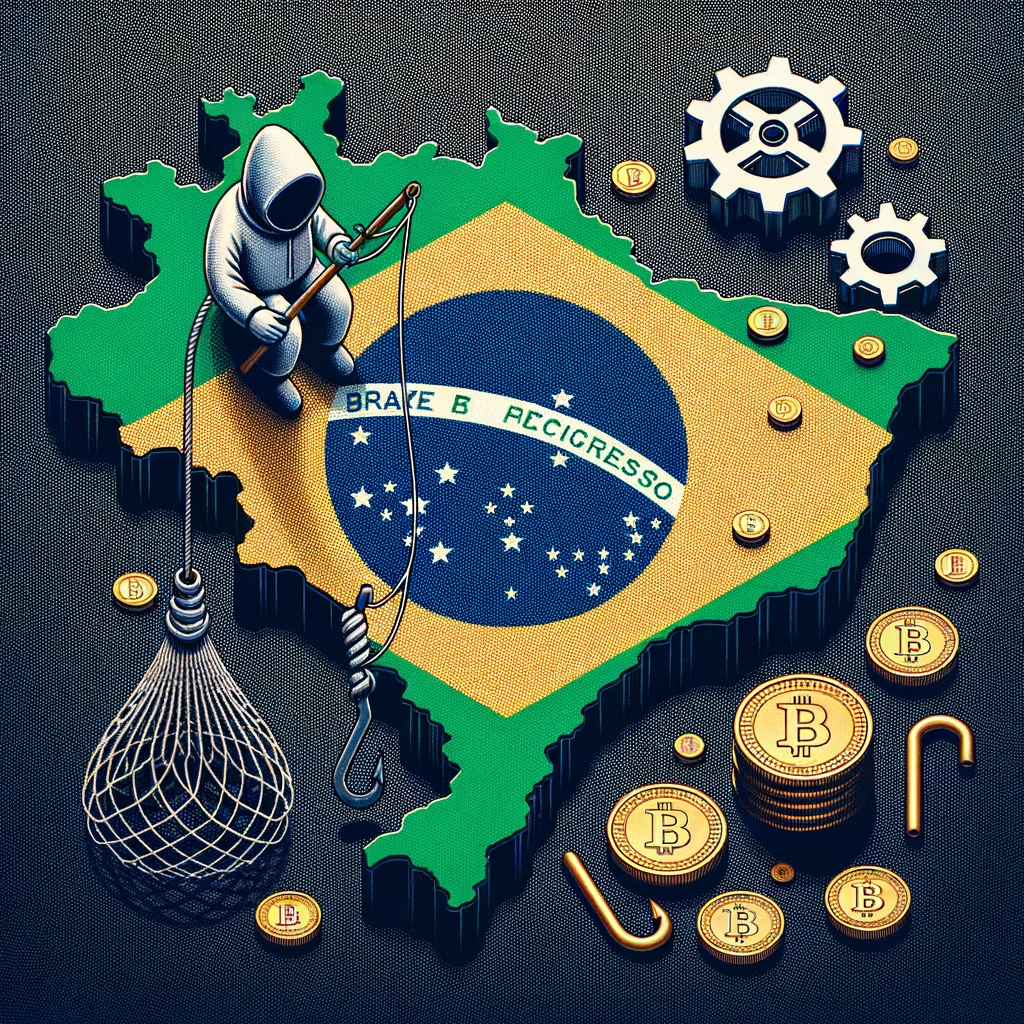
In an age where technology promises unprecedented convenience, the rise of sophisticated cyber threats poses a daunting dilemma: How do we balance innovation with security? Recent reports shed light on a worrisome trend in Brazil, where cybercriminals are exploiting advanced AI tools to mount a campaign that has siphoned off millions in cryptocurrency from unsuspecting victims.
Cybersecurity researchers have unveiled a campaign utilizing generative AI website-building tools like DeepSite AI and BlackBox AI. These platforms enable criminals to create replica phishing pages that closely mimic official websites of Brazilian government agencies. The aim? To deceive and defraud a public already facing the complexities of digital finance.
The modus operandi is disturbingly simple yet effective. By designing lookalike sites that replicate trusted governmental domains, the scammers trick individuals into divulging sensitive information. This tactic has reportedly led to the theft of cryptocurrency from approximately 5,000 people, highlighting a critical vulnerability in the intersection of emerging technologies and personal security.
The implications of this surge in phishing scams extend beyond mere financial loss. For technologists, it raises questions about the ethical deployment of artificial intelligence. “AI tools should empower users, not endanger them,” says Dr. Maria Silva, a cybersecurity expert at the University of São Paulo. “The same technology that can enhance services can also be weaponized by malicious actors.”
Policymakers are grappling with the urgency of the situation. As AI continues to evolve, regulations lag behind technological advancements, creating a gap that cybercriminals are quick to exploit. Government officials are now under pressure to develop robust cybersecurity frameworks that not only protect citizens but also foster a culture of digital literacy. “Public awareness is key,” asserts João Costa, a Brazilian cybersecurity consultant. “The more informed people are, the less likely they are to fall victim to these scams.”
For everyday users, the stakes are alarmingly high. Many individuals may not possess the technical expertise to distinguish between legitimate and fraudulent websites. This vulnerability is compounded by the rapid growth of cryptocurrency, which has seen an influx of new users eager to invest but often ill-equipped to navigate its complexities safely. “It’s a double-edged sword,” remarks Laura Mendes, a digital finance educator. “The allure of crypto can overshadow the necessary precautions one must take.”
As Brazil battles this cyber threat, a broader conversation emerges about the ethical responsibilities of AI developers. Are companies doing enough to safeguard their tools from being misused? The situation calls for a collective effort from tech companies, governments, and educational institutions to establish protocols that prioritize security without stifling innovation.
In conclusion, the dilemma posed by the intersection of AI and cybersecurity is one that demands immediate attention. As the landscape of cybercrime evolves, so too must our strategies for combatting it. Are we prepared to confront the consequences of our technological advancements, or will we become victims of our own creations?
For more information, you can read the full story here: The Hacker News.