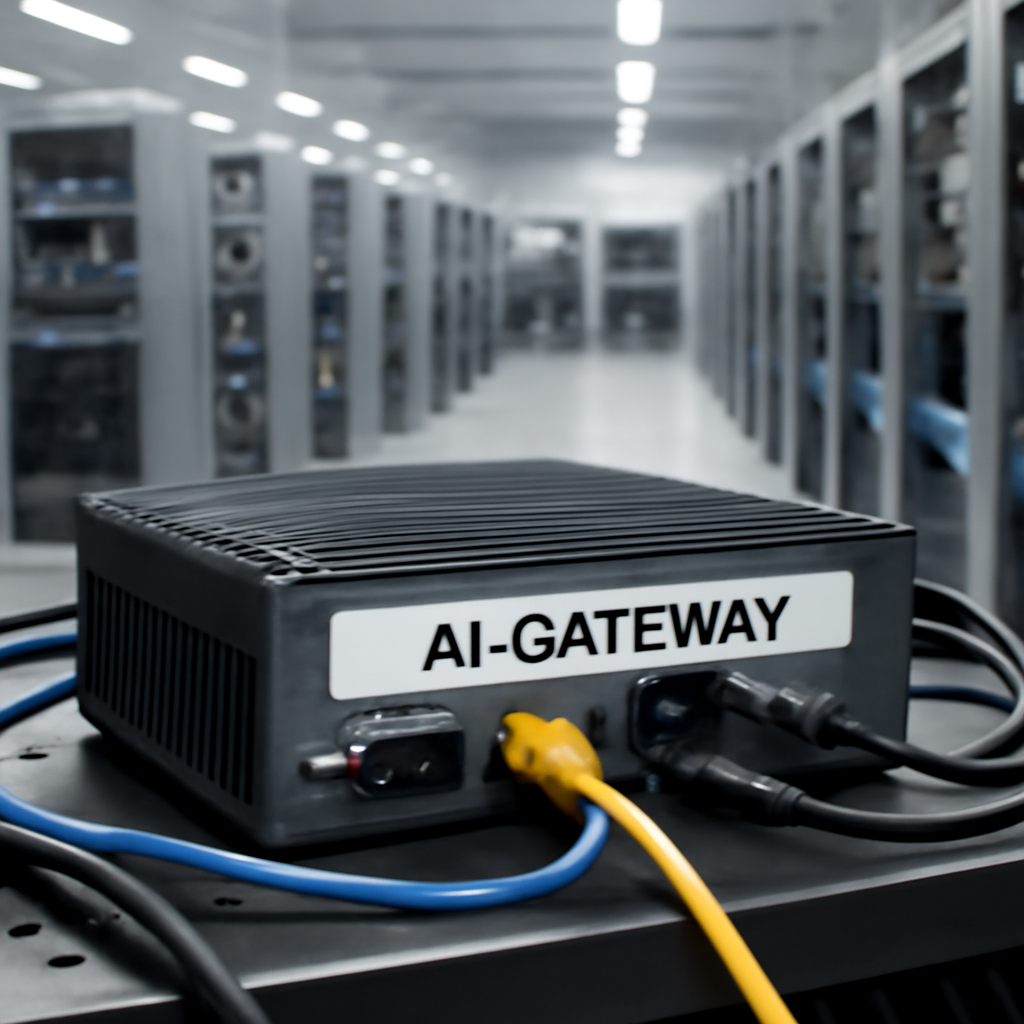
What is at stake is business continuity for organizations that put autonomous AI into production and the teams that must keep those systems running: infrastructure and IT teams now face environments described as more complex, dynamic and difficult to control than ever before.
Why autonomous AI is creating new operational and infrastructure risks
The source frames autonomous AI adoption as a step-change in operational risk. It states plainly that traditional security and recovery models were not built for machine-speed AI environments. That gap matters because AI-driven systems operate at scales and speeds that can outpace conventional monitoring, change-control and incident-response practices, increasing the potential for unseen failures and rapid propagation of errors across infrastructure.
Shadow AI and expanding data exposure
The session highlights shadow AI — unsanctioned or uncontrolled AI tools and workflows — as a specific vector that increases enterprise exposure. Shadow AI can widen the surface area of data used by models and services, making it harder for infrastructure teams to maintain visibility and enforce data protection policies across AI workflows. The source links this directly to the need for new strategies to manage data exposure as adoption scales.

Audit-ready is a season. It shouldn't be.
Evidence in spreadsheets, controls drifting between audits, frameworks multiplying on flat headcount. Nubivance runs continuous compliance on Rapid7 Cyber GRC - SOC 2, HIPAA, ISO 27001, PCI, CMMC.
End the scrambleOperational disruption, recovery concerns, and machine-speed environments
The materials emphasize operational disruption and recovery as central concerns. Experts in the session will explore recovery readiness for AI-driven systems, noting that machine-speed operations change the cadence of incidents and recovery. Put simply: recovery playbooks and business continuity plans designed for slower, human-paced faults risk being insufficient when interventions must match automated systems that act and fail quickly.
Improving operational visibility and protecting enterprise data across AI workflows
To address those risks the source says organizations need to improve operational visibility and strengthen data protection strategies. The session promises practical attention to maintaining visibility and operational control, protecting enterprise data across AI workflows, and preparing infrastructure teams to manage growing risks associated with autonomous AI systems. Those priorities are presented as essential to preserving operational trust — the trust that systems will behave predictably and can be recovered without compromising business continuity.
What this means for infrastructure and IT teams, security leaders, and enterprise procurement and operations leaders
- Infrastructure and IT teams: The source points to a need for new tactics and readiness posture to manage environments that are more complex, dynamic, and difficult to control. These teams will be asked to adapt monitoring, control, and recovery practices to keep pace with machine-speed behaviors.
- Security and resilience leaders: The session frames resilience, recovery and operational trust as tools to help enterprises adopt AI safely. Security leaders will need to rethink data protection and visibility in light of shadow AI and rapid automation.
- Enterprise procurement and operations leaders: As adoption scales, the source suggests procurement and operations will need strategies that ensure AI workflows do not expand data exposure or outstrip existing recovery models, preserving business continuity as new systems come online.
The organizers position the conversation as pragmatic rather than theoretical: experts will discuss concrete areas — resilience, recovery and operational trust — that can help enterprises adopt autonomous AI without compromising business continuity. That framing narrows the debate to operational controls, data protection, and readiness rather than abstract assurances about capability.
The takeaway in the source is direct: as autonomous AI becomes embedded across operations, organizations must adopt new strategies for visibility, data protection and recovery so infrastructure and IT teams can manage environments that are faster, more automated and harder to govern than traditional systems. The session intends to surface those strategies and share best practices for maintaining control as AI adoption scales.