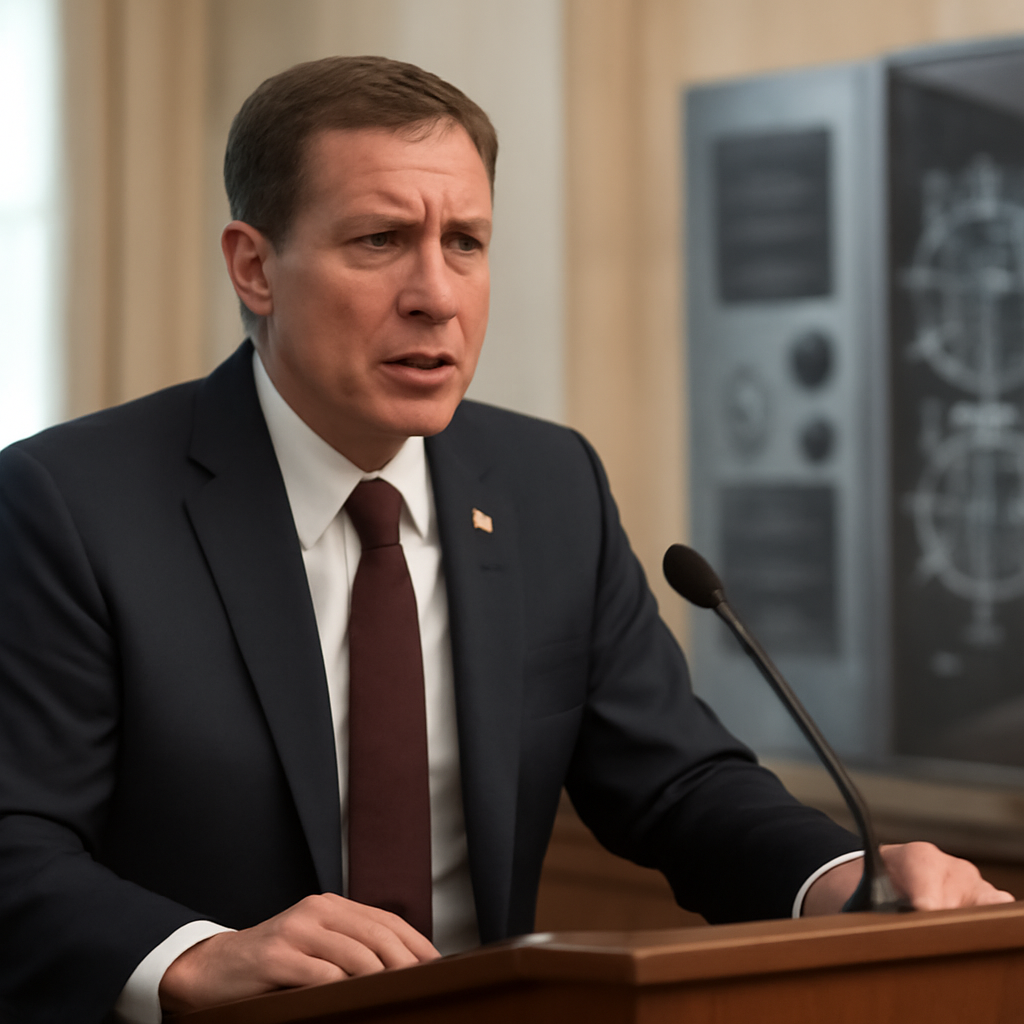
As the nation prepares for the upcoming midterm elections, a pressing question lingers: can we trust the algorithms that increasingly shape our lives? The recent executive order by the Trump administration has brought the debate over artificial intelligence (AI) to the forefront, pitting those who advocate for regulation against those who champion unfettered innovation. This struggle raises fundamental concerns about the role of technology in society and the ability of policymakers to effectively govern it.
In December, the Trump administration took a decisive stance on AI regulation, signing an executive order that effectively curtails states' ability to regulate the technology. The order directs the administration to sue and withhold funds from states that attempt to establish their own AI regulations. This move has been widely seen as a victory for industry lobbyists, who have long pushed against stricter controls on AI development and deployment.
The Trump administration's actions have clarified the ideological alignments around AI within America's electoral factions. By siding with industry interests, the administration has set down a marker on the issue, prompting members of both parties to consider where they stand in the debate over AI. As Bruce Schneier, a renowned technologist and cybersecurity expert, notes, "The question is not whether AI will transform our lives, but how and where we want it to happen."
The current situation reflects a long-standing tension between technologists, policymakers, and users. On one hand, proponents of AI argue that the technology holds tremendous potential for economic growth, improved healthcare, and enhanced productivity. They contend that overregulation will stifle innovation and hinder the United States' ability to compete globally.
On the other hand, critics of AI emphasize the need for safeguards to prevent harm. They point to concerns about bias in AI decision-making, job displacement, and the potential for AI-powered surveillance to erode civil liberties. As the Electronic Frontier Foundation (EFF) notes, "AI systems can perpetuate and amplify existing social biases, leading to discriminatory outcomes in areas like hiring, lending, and law enforcement."
The debate over AI regulation has significant implications for various stakeholders:
- Technologists: Developers and researchers are keenly aware of the potential benefits and risks of AI. While some advocate for self-regulation, others recognize the need for external oversight to ensure that AI systems are transparent, explainable, and fair.
- Policymakers: Elected officials are grappling with the challenge of regulating a rapidly evolving technology. They must balance the need for innovation with the imperative to protect citizens' rights and interests.
- Users: The general public is increasingly interacting with AI-powered systems, from virtual assistants to predictive analytics tools. As AI becomes more pervasive, users are demanding greater transparency and accountability.
- Adversaries: Nation-states and other malicious actors are exploring ways to exploit AI for their own purposes, raising concerns about the potential for AI-powered cyber attacks and disinformation campaigns.
The Trump administration's executive order has galvanized opposition from consumer advocates, industry associations, and some lawmakers. They argue that the order undermines efforts to establish meaningful safeguards and ignores the concerns of those who will be impacted by AI.
As the midterm elections approach, AI is emerging as a key issue that will shape the national conversation. The outcome of this debate will have far-reaching consequences for the development and deployment of AI in the United States. As we consider the future of AI, we must ask ourselves: are we prepared to live with the consequences of creating systems that can think and act on their own?
The stakes are high, and the path forward is uncertain. One thing is clear, however: the decisions we make about AI in the coming months will determine the course of our lives for years to come.