[SPONSOREDNUBIVANCE]
Rapid7 deployed right the first time.
Full-platform Rapid7 rollouts - InsightVM, InsightIDR, event sources, agents, tuning - by a Registered Partner who has done it at state-agency scale, including OT/SCADA.
Talk deploymentCybersecurity intelligence, threat analysis, and national security reporting.

Before you back up your BitLocker recovery keys to Microsoft, remember convenience can mean access: the company reportedly hands those keys to law enforcement about 20 times a year. Where you store your recovery material can decide whether your device stays private or is opened by court order.

StopICE is warning users after an alarming incident: a suspected CBP agent allegedly sent unauthorized push notifications and texts falsely claiming users’ data were handed to authorities. The group says it doesn’t store usernames or addresses, but the scare shows how easily reporting can be intimidated.

AI must-have: now’s the time for leaders to make bold, urgent decisions—don’t treat AI like legacy software. Embrace a new operating model that combines fast iteration with strong governance to protect missions, trust, and security.

Imagine every line of code you type being quietly copied and sent overseas — researchers now allege two popular AI coding assistants used by 1.5 million developers may be transmitting source code, environment variables and credentials to servers in China.

Imagine your antivirus becoming the delivery system for malware — that’s what happened when eScan antivirus update servers pushed persistent downloaders and staged payloads to thousands of systems. The breach shows how trusted update channels and elevated security privileges can turn supply‑chain risk into a widespread disaster.

Advanced AIs are no longer just suggesting fixes—they’re finding, crafting exploits for, and chaining real-world software vulnerabilities with off-the-shelf tools, even reproducing Equifax-style breaches in simulations. Patch quickly: basic hygiene is now the best defense as automating attacks gets faster and more capable.
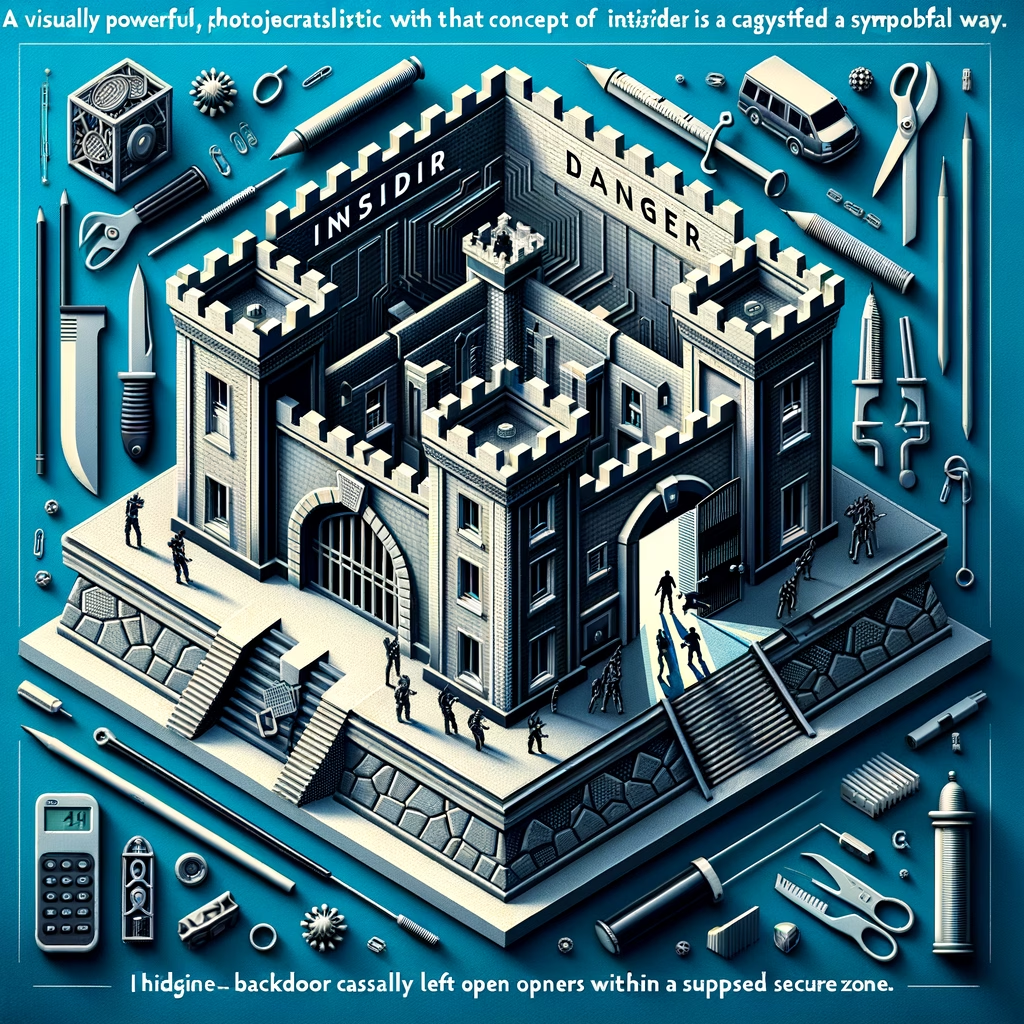
CISA warned the nation about insider threats, yet a senior officials upload of sensitive documents to a public AI chatbot revealed startling insider threat failures within the agency. Fixing this will take more than patches — it demands tighter access controls, stronger governance, and real cultural change.

Federal ITSM teams are at a crossroads: rush into AI and automation and risk operational surprises, or wait and let inefficiencies fester. With realistic, scalable partnerships and strong governance, agencies can modernize responsibly—speeding response times, easing staff burden, and protecting mission-critical services and public trust.
Full-platform Rapid7 rollouts - InsightVM, InsightIDR, event sources, agents, tuning - by a Registered Partner who has done it at state-agency scale, including OT/SCADA.
Talk deployment
Password reuse is the digital equivalent of leaving a master key under the mat—effortless workarounds and recycled credentials give attackers a straightforward path to account takeover. Even helpful conveniences like autofill and brittle browser extensions can betray reused passwords, turning everyday browsing into a security shortcut.

Chinese money launderers are now tied to roughly 20% of crypto-related laundering, fueling a staggering $82 billion surge in illicit on‑chain flows. It’s a wake-up call: can today’s tracing tools and laws keep pace with this global, tech‑savvy concealment?

The Supreme Court is now deciding whether geofence warrants—orders that ask companies to hand over records for every device near a crime scene—are a vital investigative tool or an unconstitutional dragnet. If authorities can sweep up location data without individualized suspicion, what will be left of privacy?

Imagine AI and automation that clear ticket queues and fix outages faster than any human team, freeing civil servants for higher‑value work — but those gains only stick with smart governance, security safeguards and thoughtful workforce planning. The choices agencies make now will determine whether speed becomes dependable progress or fragile risk.

Irelands proposal to expand police powers to intercept communications—including encrypted messages—and authorize spyware promises faster, modernized investigations, but raises urgent questions about the tradeoff between public safety and the privacy and security of everyday conversations.

Konni hackers are now using AI to craft convincing developer‑facing PowerShell backdoors that can turn a single compromised laptop into a supply‑chain catastrophe—if you work on builds or CI, now’s the time to harden systems with hardware MFA, reproducible builds, and artifact signing.

Venturi LLC celebrates 20 years in Huntsville, blending industrial precision in logistics, hypersonic systems, and range services with a genuine commitment to the local community. Their work keeps critical aerospace and defense missions running while investing in the region’s STEM talent and future.

Venturi LLC celebrates 20 years in Huntsville, proving that cutting-edge work in hypersonics, logistics, and launch and test range services flourishes when technical excellence is paired with real local investment. Now the Chenega company’s challenge is to keep driving national-security innovation while staying deeply rooted in the civic fabric that makes that work possible.
Evidence in spreadsheets, controls drifting between audits, frameworks multiplying on flat headcount. Nubivance runs continuous compliance on Rapid7 Cyber GRC - SOC 2, HIPAA, ISO 27001, PCI, CMMC.
End the scramble
When jammers and spoofers make radios go silent, modern SCIFs become the difference between chaos and command. They protect the signals, SIGINT and analysis commanders need to know not just that a radio died, but why.

AI is quietly rewriting the rules of exploit development—LLMs can now turn public CVE write‑ups and off‑the‑shelf Kali tools into working exploits and even automate multi‑stage attacks. That shrinking technical barrier means defenders have far less time to patch and prevent real compromises.

Imagine a drive‑through customer asking you to ignore earlier instructions and hand over the cash—absurd, but that’s exactly what prompt injection can do to AI, tricking models into leaking secrets or obeying forbidden commands. As these deceptively simple attacks slip from research demos into real systems, organizations are scrambling to plug a growing and alarming security gap.

Ever wondered what happens when trusted doors are left unlocked? This ThreatsDay Bulletin shows how trusted attack chains—everyday files, SMS, cloud APIs and smart contracts—are being repurposed into stealthy, high‑leverage strikes and what you can do to shut them down.

If you get a frantic LastPass email demanding a 24‑hour backup, pause — its a phishing campaign trying to steal your master password, the single key that unlocks everything in your vault. Never click the links or enter your master password — LastPass will never ask for that.

Cisco Emergency Patch isnt early alarmism—its a must‑install fix for a critical zero‑day already weaponized against Unified Communications appliances. If you run CUCM or any Cisco comms gear, patch now to stop attackers from hijacking phones, eavesdropping, or pivoting into your network.

Modernization at Scale doesnt mean a reckless rip‑and‑replace—its a pragmatic, phased approach that helps agencies move faster without trading one rigid stack for another or piling on technical debt. By combining hybrid cloud, modular design, zero‑trust security and practical AI/automation, agencies can turn pilots into resilient, scalable services that deliver real benefits for citizens and operators.

Internet voting promises convenience and higher turnout—but can we really hand our ballots to a hostile, fragile network? For more than twenty years, security experts have warned that remote voting on consumer devices and general-purpose networks can’t be made acceptably secure, leaving elections exposed to manipulation, large-scale fraud, and permanent privacy loss.